• Fri frakt över 249 kr
  • •
  • Snabba leveranser
  • •
  • Billiga böcker
Kundservice

Du är på sajten för privatpersoner.

Företag, bibliotek eller offentlig verksamhet?

Du handlar på classic.bokus.com, där alla dina funktioner finns intakta.
Till classic.bokus.com
Bokus logotyp. Gå till startsidan.
  • Erbjudanden
  • Nyheter
  • Student
  • Topplistor
  • Barn & ungdom
  • Bokus Play
  • E-böcker
  • Pocketböcker
  • Spel & pussel

10% rabatt på allt med kod: NYSTART10 →

Sidfot

Mina sidor

    Hjälp

    • Kundservice
    • Vanliga frågor och svar
    • Frakt och leverans
    • Retur vid ångerrätt
    • Reklamera vara
    • Betalning
    • Köpvillkor
    • Allmänna villkor
    • Information om webbplatsens tillgänglighet

    Om Bokus

    • Om oss
    • Pressrum
    • För studenter
    • För företag
    • För bibliotek och offentlig verksamhet
    • För leverantörer
    • Hållbarhet

    Populärt

    • Aktuella erbjudanden
    • Presentkort
    • Studentlitteratur
    • Nya böcker
    • Topplistor
    • Signerade böcker
    • Engelska böcker

    Inspiration

    • Boktips
    • BookTok
    • Populära bokserier
    • Barnbokskaraktärer
    • Populära författare
    Logotyp för Bokus
    Följ oss på Facebook (extern länk)Följ oss på Instagram (extern länk)Följ oss på YouTube (extern länk)Följ oss på TikTok (extern länk)
    bokus @ CookiesAnpassa cookiesIntegritetspolicyKöpvillkor
    Till Citymail hemsida (extern länk)Till Budbee hemsida (extern länk)Till Postnord hemsida (extern länk)Till Schenker hemsida (extern länk)Till Early Bird hemsida (extern länk)Till Walleys hemsida (extern länk)
    1. Kultur
    2. Arkitektur
    3. Arkitekturhistoria

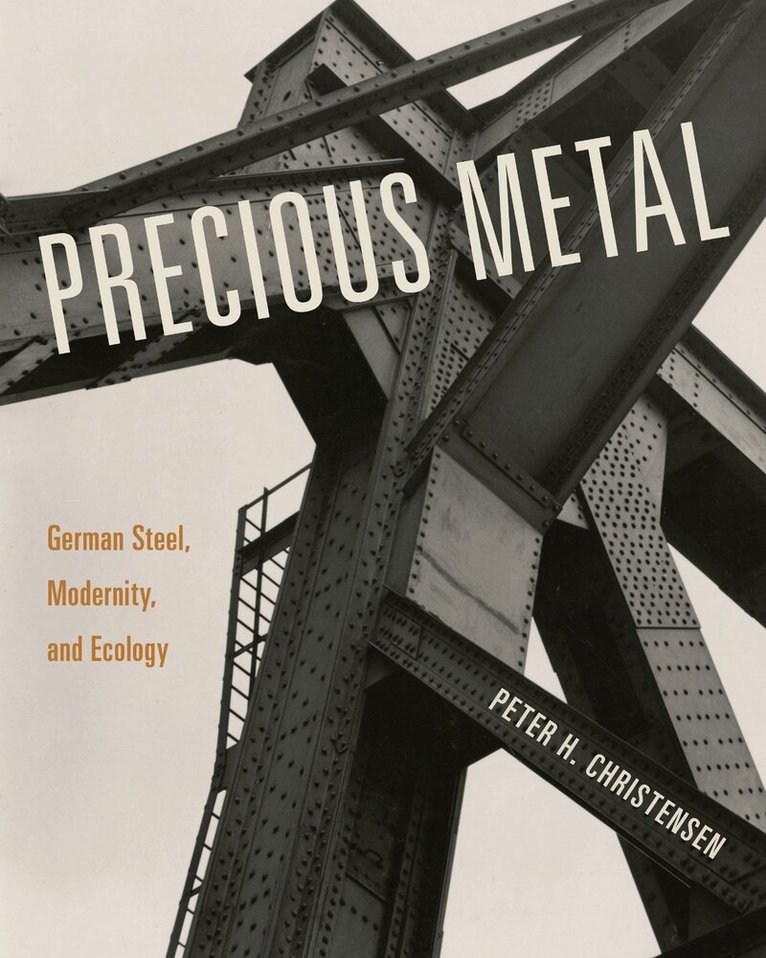
    Precious Metal

    German Steel, Modernity, and Ecology

    AvPeter H. Christensen

    Inbunden, Engelska, 2022

    433 kr

    Beställningsvara. Skickas inom 5-8 vardagar. Fri frakt över 249 kr.

    Fler format och utgåvor

    Häftad

    399 kr

    Beskrivning

    With its incorporation into architecture on a grand scale during the long nineteenth century, steel forever changed the way we perceive and inhabit buildings. In this book, Peter H. Christensen shows that even as architects and engineers were harnessing steel’s incredible properties, steel itself was busy transforming the natural world.Precious Metal explores this quintessentially modernist material—not for the heroic structural innovations it facilitated but for a deeper understanding of the role it played in the steady change of the earth. Focusing on the formative years of the architectural steel economy and on the corporate history of German steel titans Krupp and Thyssen, Christensen investigates the ecological interrelationship of artificial and natural habitats, mediated by steel. He traces steel through six distinct phases: birth, formation, display, dispersal, construction, and return. By following the life of steel from the collection of raw minerals to the distribution and disposal of finished products, Christensen challenges the traditional narrative that steel was simply the primary material responsible for architectural modernism.Based on the premise that building materials are as much a part of the natural world as they are of a building, this groundbreaking book rewrites an important chapter of architectural history. It will be welcomed by specialists in architectural history, nineteenth-century studies, environmental history, German studies, modernist studies, and the Anthropocene.

    Produktinformation

    • Utgivningsdatum:2022-09-13
    • Mått:203 x 254 x 28 mm
    • Vikt:1 179 g
    • Format:Inbunden
    • Språk:Engelska
    • Antal sidor:248
    • Förlag:Pennsylvania State University Press
    • ISBN:9780271092317

    Utforska kategorier

    • Arkitekturhistoria inom Kultur
    • Landskapsarkitektur inom Kultur

    Mer om författaren

    Peter H. Christensen is Professor of Art History at the University of Rochester. He is the author of the award-winning Germany and the Ottoman Railways: Art, Empire, and Infrastructure.

    Recensioner i media

    “Christensen’s work connects the field of architectural history to a broader context encompassing ecology, politics, business, and labor history. The result is a narrative that is richly layered and complex. Instead of presenting a comprehensive history of a single national industry or business, the author challenges readers to consider the multifaceted dimensions of construction materials.”—Vyta Pivo Journal of the Society of Architectural Historians