• Fri frakt över 249 kr
  • •
  • Snabba leveranser
  • •
  • Billiga böcker
Kundservice

Du är på sajten för privatpersoner.

Företag, bibliotek eller offentlig verksamhet?

Du handlar på classic.bokus.com, där alla dina funktioner finns intakta.
Till classic.bokus.com
Bokus logotyp. Gå till startsidan.
  • Erbjudanden
  • Nyheter
  • Student
  • Topplistor
  • Barn & ungdom
  • Bokus Play
  • E-böcker
  • Pocketböcker
  • Spel & pussel

10% rabatt på allt med kod NYSTART10 →

Sidfot

Mina sidor

    Hjälp

    • Kundservice
    • Vanliga frågor och svar
    • Frakt och leverans
    • Retur vid ångerrätt
    • Reklamera vara
    • Betalning
    • Köpvillkor
    • Allmänna villkor
    • Information om webbplatsens tillgänglighet

    Om Bokus

    • Om oss
    • Pressrum
    • För studenter
    • För företag
    • För bibliotek och offentlig verksamhet
    • För leverantörer
    • Hållbarhet

    Populärt

    • Aktuella erbjudanden
    • Presentkort
    • Studentlitteratur
    • Nya böcker
    • Topplistor
    • Signerade böcker
    • Engelska böcker

    Inspiration

    • Boktips
    • BookTok
    • Populära bokserier
    • Barnbokskaraktärer
    • Populära författare
    Logotyp för Bokus
    Följ oss på Facebook (extern länk)Följ oss på Instagram (extern länk)Följ oss på YouTube (extern länk)Följ oss på TikTok (extern länk)
    bokus @ CookiesAnpassa cookiesIntegritetspolicyKöpvillkor
    Till Citymail hemsida (extern länk)Till Budbee hemsida (extern länk)Till Postnord hemsida (extern länk)Till Schenker hemsida (extern länk)Till Early Bird hemsida (extern länk)Till Walleys hemsida (extern länk)
    1. Historia och arkeologi
    2. Historia
    3. Europas historia

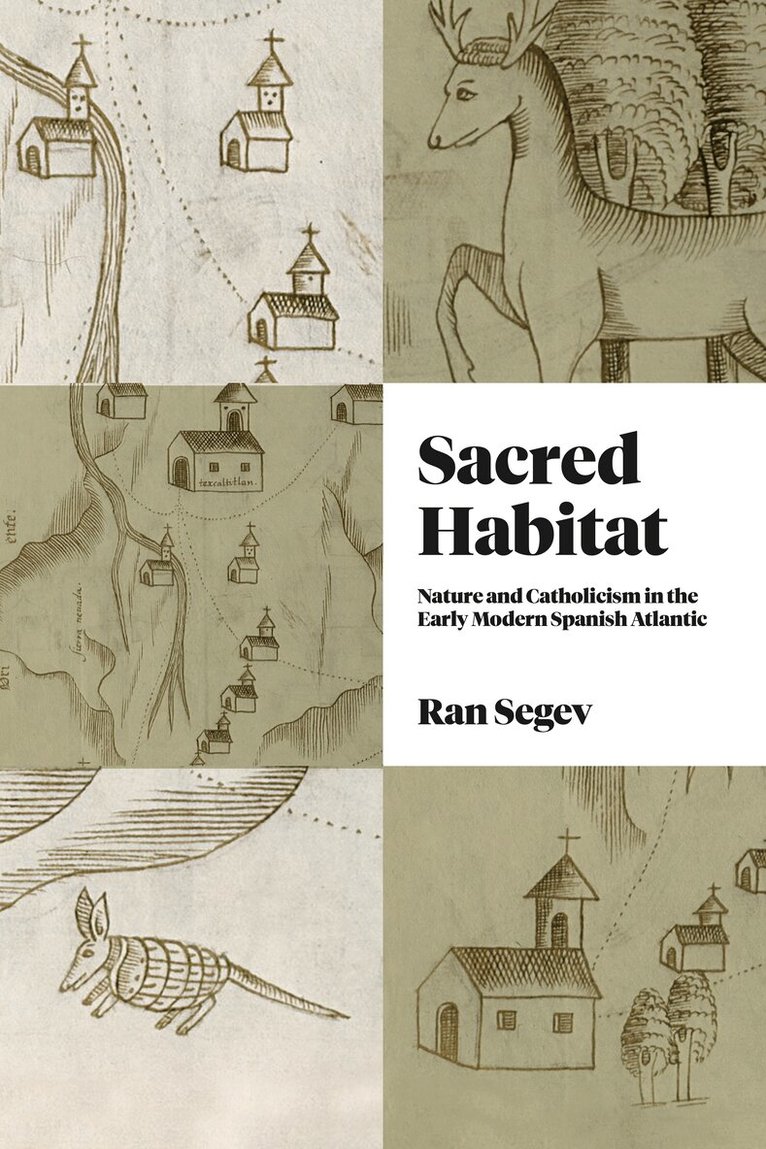
    Sacred Habitat

    Nature and Catholicism in the Early Modern Spanish Atlantic

    AvRan Segev

    Häftad, Engelska, 2025

    Del 9 i serien Iberian Encounter and Exchange, 475–1755

    454 kr

    Beställningsvara. Skickas inom 5-8 vardagar. Fri frakt över 249 kr.

    Fler format och utgåvor

    Inbunden

    1 460 kr

    Beskrivning

    Known as a time of revolutions in science, the early modern era in Europe was characterized by the emergence of new disciplines and ways of thinking. Taking this conceit a step further, Sacred Habitat shows how Spanish friars and missionaries used new scholarly approaches, methods, and empirical data from their studies of ecology to promote Catholic goals and incorporate American nature into centuries-old church traditions.Ran Segev examines the interrelated connections between Catholicism and geography, cosmography, and natural history—fields of study that gained particular prominence during the sixteenth and seventeenth centuries—and shows how these new bodies of knowledge provided innovative ways of conceptualizing and transmitting religious ideologies in the post-Reformation era. Weaving together historical narratives on Spain and its colonies with scholarship on the Catholic Reformation, Atlantic science, and environmental history, Segev contends that knowledge about American nature allowed pious Catholics to reconnect with their religious traditions and enabled them to apply their beliefs to a foreign land.Sacred Habitat presents a fresh perspective on Catholic renewal. Scholars of religion and historians of Spain, colonial Latin America, and early modern science will welcome this provocative intervention in the history of empire, science, knowledge, and early modern Catholicism.

    Produktinformation

    • Utgivningsdatum:2025-05-20
    • Mått:152 x 229 x 16 mm
    • Vikt:340 g
    • Format:Häftad
    • Språk:Engelska
    • Serie:Iberian Encounter and Exchange, 475–1755
    • Antal sidor:230
    • Förlag:Pennsylvania State University Press
    • ISBN:9780271095349
    • Utmärkelser:Nominated for George L. Mosse Prize 2024

    Utforska kategorier

    • Europas historia inom Historia och arkeologi

    Mer om författaren

    Dr. Ran Segev is an early modern historian whose work explores the intersection of religion, knowledge, and the environment.

    Recensioner i media

    “Sacred Habitat works best to spur the historian’s imagination about the possibilities of scientific thinking within the Spanish Empire. Using these provocative ideas, historians might generate new directions and seek out other evidence to further develop the confluence of these two great social forces.”—Cornelius Conover American Historical Review