• Fri frakt över 249 kr
  • •
  • Snabba leveranser
  • •
  • Billiga böcker
Kundservice

Du är på sajten för privatpersoner.

Företag, bibliotek eller offentlig verksamhet?

Du handlar på classic.bokus.com, där alla dina funktioner finns intakta.
Till classic.bokus.com
Bokus logotyp. Gå till startsidan.
  • Erbjudanden
  • Nyheter
  • Student
  • Topplistor
  • Barn & ungdom
  • Bokus Play
  • E-böcker
  • Pocketböcker
  • Spel & pussel

10% rabatt på allt med kod: NYSTART10 →

Sidfot

Mina sidor

    Hjälp

    • Kundservice
    • Vanliga frågor och svar
    • Frakt och leverans
    • Retur vid ångerrätt
    • Reklamera vara
    • Betalning
    • Köpvillkor
    • Allmänna villkor
    • Information om webbplatsens tillgänglighet

    Om Bokus

    • Om oss
    • Pressrum
    • För studenter
    • För företag
    • För bibliotek och offentlig verksamhet
    • För leverantörer
    • Hållbarhet

    Populärt

    • Aktuella erbjudanden
    • Presentkort
    • Studentlitteratur
    • Nya böcker
    • Topplistor
    • Signerade böcker
    • Engelska böcker

    Inspiration

    • Boktips
    • BookTok
    • Populära bokserier
    • Barnbokskaraktärer
    • Populära författare
    Logotyp för Bokus
    Följ oss på Facebook (extern länk)Följ oss på Instagram (extern länk)Följ oss på YouTube (extern länk)Följ oss på TikTok (extern länk)
    bokus @ CookiesAnpassa cookiesIntegritetspolicyKöpvillkor
    Till Citymail hemsida (extern länk)Till Budbee hemsida (extern länk)Till Postnord hemsida (extern länk)Till Schenker hemsida (extern länk)Till Early Bird hemsida (extern länk)Till Walleys hemsida (extern länk)
    1. Ekonomi och Ledarskap
    2. Nationalekonomi
    3. Mikroekonomi

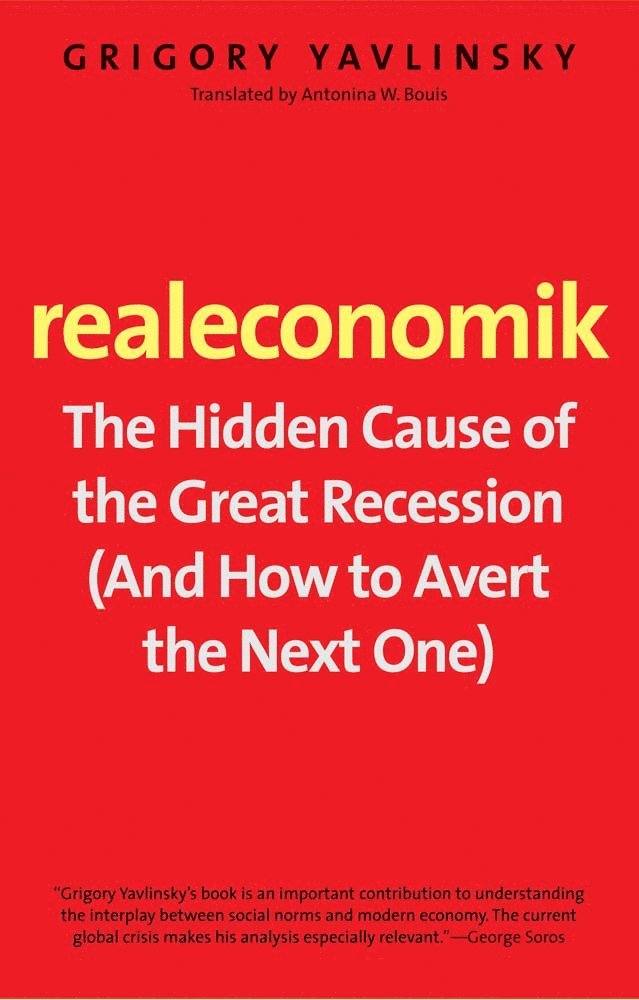
    Realeconomik

    The Hidden Cause of the Great Recession (And How to Avert the Next One)

    AvGrigory Yavlinsky

    Häftad, Engelska, 2013

    381 kr

    Beställningsvara. Skickas inom 5-8 vardagar. Fri frakt över 249 kr.

    Beskrivning

    A growing complacency that stability has been restored in the wake of recent economic turmoil is not just wishful thinking, it is dangerous thinkingThis book directly confronts uncomfortable questions that many prefer to brush aside: if economists and other scholars, politicians, and business professionals understand the causes of economic crises, as they claim, then why do such damaging crises continue to occur? Can we trust business and intellectual elites who advocate the principles of Realpolitik and claim the "public good" as their priority, yet consistently favor maximization of profit over ethical issues?Former deputy prime minister of Russia Grigory Yavlinsky, an internationally respected free-market economist, makes a powerful case that the often-cited causes of global economic instability—institutional failings, wrong decisions by regulators, insufficient or incorrect information, and the like—are only secondary to a far more significant underlying cause: the failure to understand that universal social norms are essential to thriving businesses and social and economic progress. Yavlinsky explores the widespread disregard for moral values in business decisions and calls for restoration of principled behavior in politics and economic practices. The unwelcome alternative, he warns, will be a twenty-first-century global economy in the grip of unending crises.

    Produktinformation

    • Utgivningsdatum:2013-03-08
    • Mått:146 x 227 x 14 mm
    • Vikt:240 g
    • Format:Häftad
    • Språk:Engelska
    • Antal sidor:192
    • Förlag:Yale University Press
    • ISBN:9780300192391
    • Översättare:Antonina W. Bouis

    Utforska kategorier

    • Mikroekonomi inom Ekonomi och Ledarskap
    • Finanskriser inom Ekonomi och Ledarskap

    Mer om författaren

    Grigory Yavlinsky is a Russian economist and founder and member of the Russian United Democratic Party (YABLOKO). As deputy prime minister of Russia in 1990, he wrote the first Russian economic program for transition to a free-market economy, 500 Days. He lives in Moscow.

    Recensioner i media

    “Grigory Yavlinsky’s book is an important contribution to understanding the interplay between social norms and modern economy. The current global crisis makes his analysis especially relevant.”—George Soros