• Fri frakt över 249 kr
  • •
  • Snabba leveranser
  • •
  • Billiga böcker
Kundservice

Du är på sajten för privatpersoner.

Företag, bibliotek eller offentlig verksamhet?

Du handlar på classic.bokus.com, där alla dina funktioner finns intakta.
Till classic.bokus.com
Bokus logotyp. Gå till startsidan.
  • Erbjudanden
  • Nyheter
  • Student
  • Topplistor
  • Barn & ungdom
  • Bokus Play
  • E-böcker
  • Pocketböcker
  • Spel & pussel

10% rabatt på allt med kod NYSTART10 →

Sidfot

Mina sidor

    Hjälp

    • Kundservice
    • Vanliga frågor och svar
    • Frakt och leverans
    • Retur vid ångerrätt
    • Reklamera vara
    • Betalning
    • Köpvillkor
    • Allmänna villkor
    • Information om webbplatsens tillgänglighet

    Om Bokus

    • Om oss
    • Pressrum
    • För studenter
    • För företag
    • För bibliotek och offentlig verksamhet
    • För leverantörer
    • Hållbarhet

    Populärt

    • Aktuella erbjudanden
    • Presentkort
    • Studentlitteratur
    • Nya böcker
    • Topplistor
    • Signerade böcker
    • Engelska böcker

    Inspiration

    • Boktips
    • BookTok
    • Populära bokserier
    • Barnbokskaraktärer
    • Populära författare
    Logotyp för Bokus
    Följ oss på Facebook (extern länk)Följ oss på Instagram (extern länk)Följ oss på YouTube (extern länk)Följ oss på TikTok (extern länk)
    bokus @ CookiesAnpassa cookiesIntegritetspolicyKöpvillkor
    Till Citymail hemsida (extern länk)Till Budbee hemsida (extern länk)Till Postnord hemsida (extern länk)Till Schenker hemsida (extern länk)Till Early Bird hemsida (extern länk)Till Walleys hemsida (extern länk)
    1. Historia och arkeologi
    2. Historia
    3. Historia: särskilda händelser och ämnen
    4. Slaveri

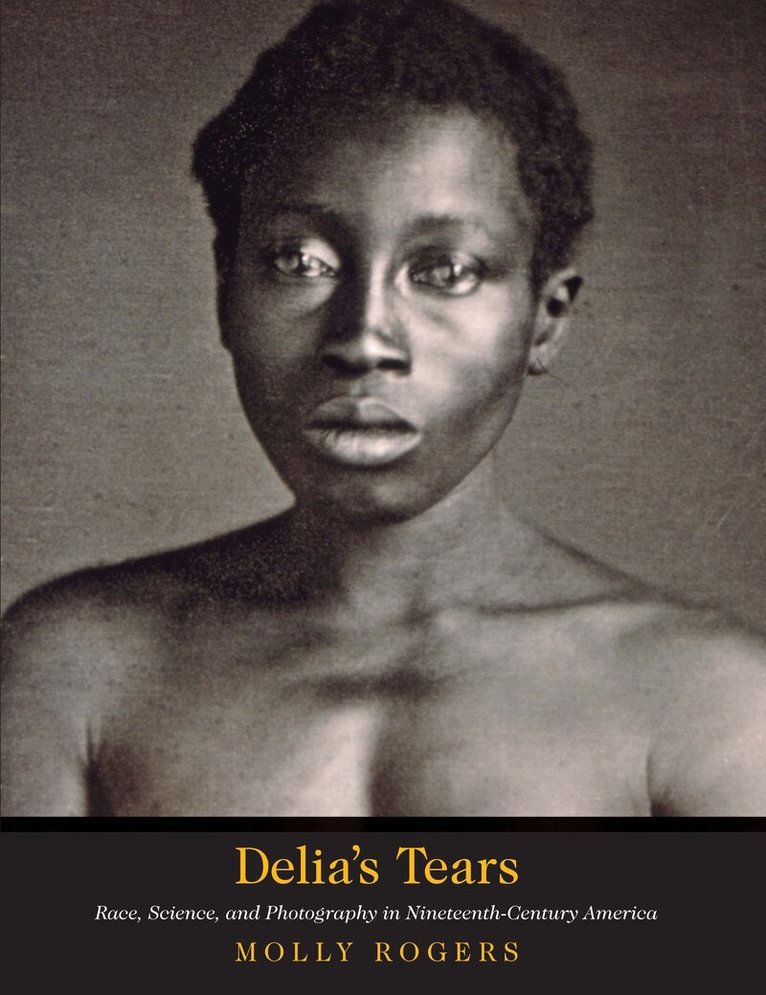
    Delia's Tears

    Race, Science, and Photography in Nineteenth-Century America

    AvMolly Rogers,David W. Blight

    Häftad, Engelska, 2020

    856 kr

    Beställningsvara. Skickas inom 5-8 vardagar. Fri frakt över 249 kr.

    Beskrivning

    In 1850 seven South Carolina slaves were photographed at the request of the famous naturalist Louis Agassiz to provide evidence of the supposed biological inferiority of Africans. Lost for many years, the photographs were rediscovered in the attic of Harvard’s Peabody Museum in 1976. In the first narrative history of these images, Molly Rogers tells the story of the photographs, the people they depict, and the men who made and used them. Weaving together the histories of race, science, and photography in nineteenth-century America, Rogers explores the invention and uses of photography, the scientific theories the images were intended to support and how these related to the race politics of the time, the meanings that may have been found in the photographs, and the possible reasons why they were “lost” for a century or more. Each image is accompanied by a brief fictional vignette about the subject’s life as imagined by Rogers; these portraits bring the seven subjects to life, adding a fascinating human dimension to the historical material.

    Produktinformation

    • Utgivningsdatum:2020-12-10
    • Mått:178 x 229 x 30 mm
    • Vikt:661 g
    • Format:Häftad
    • Språk:Engelska
    • Antal sidor:384
    • Förlag:Yale University Press
    • ISBN:9780300260199

    Utforska kategorier

    • Slaveri inom Historia och arkeologi
    • Konsthistoria inom Kultur
    • Fotoböcker inom Kultur

    Mer om författaren

    Molly Rogers is a writer and independent scholar of American history and the history and theory of photography. She is associate director of the Center for the Humanities at New York University and the co-editor of To Make Their Own Way in the World: The Enduring Legacy of the Zealy Daguerreotypes.

    Recensioner i media

    Selected as an Editor’s Choice by Booklist as one of the best titles published in 2010"In a book that is at once sensitive, bold, and imaginative, Rogers delivers a deep history of the causes, creation, and consequences of these now famous photographs. . . . If there ever can be a shared humanity with a shared historical memory, perhaps it can only emerge from seeing such evidence of its most brutal denial."—David W. Blight, from the Foreword"Through Delia's Tears, a beguiling mixture of history and imagination, we see that the poisonous allure of racial thinking, often posing as reasoned objectivity, has always blurred our vision. This is a story that is as beautiful as it is sad."-Jonathan Scott Holloway, Yale University