• Fri frakt över 249 kr
  • •
  • Snabba leveranser
  • •
  • Billiga böcker
Kundservice

Du är på sajten för privatpersoner.

Företag, bibliotek eller offentlig verksamhet?

Du handlar på classic.bokus.com, där alla dina funktioner finns intakta.
Till classic.bokus.com
Bokus logotyp. Gå till startsidan.
  • Erbjudanden
  • Nyheter
  • Student
  • Topplistor
  • Barn & ungdom
  • Bokus Play
  • E-böcker
  • Pocketböcker
  • Spel & pussel

10% studentrabatt med kod TERM26

Sidfot

Mina sidor

    Hjälp

    • Kundservice
    • Vanliga frågor och svar
    • Frakt och leverans
    • Retur vid ångerrätt
    • Reklamera vara
    • Betalning
    • Köpvillkor
    • Allmänna villkor
    • Information om webbplatsens tillgänglighet

    Om Bokus

    • Om oss
    • Pressrum
    • För studenter
    • För företag
    • För bibliotek och offentlig verksamhet
    • För leverantörer
    • Hållbarhet

    Populärt

    • Aktuella erbjudanden
    • Presentkort
    • Studentlitteratur
    • Nya böcker
    • Topplistor
    • Signerade böcker
    • Engelska böcker

    Inspiration

    • Boktips
    • BookTok
    • Populära bokserier
    • Barnbokskaraktärer
    • Populära författare
    Logotyp för Bokus
    Följ oss på Facebook (extern länk)Följ oss på Instagram (extern länk)Följ oss på YouTube (extern länk)Följ oss på TikTok (extern länk)
    bokus @ CookiesAnpassa cookiesIntegritetspolicyKöpvillkor
    Till Citymail hemsida (extern länk)Till Budbee hemsida (extern länk)Till Postnord hemsida (extern länk)Till Schenker hemsida (extern länk)Till Early Bird hemsida (extern länk)Till Walleys hemsida (extern länk)
    1. Samhälle och politik
    2. Sociologi och antropologi
    3. Antropologi

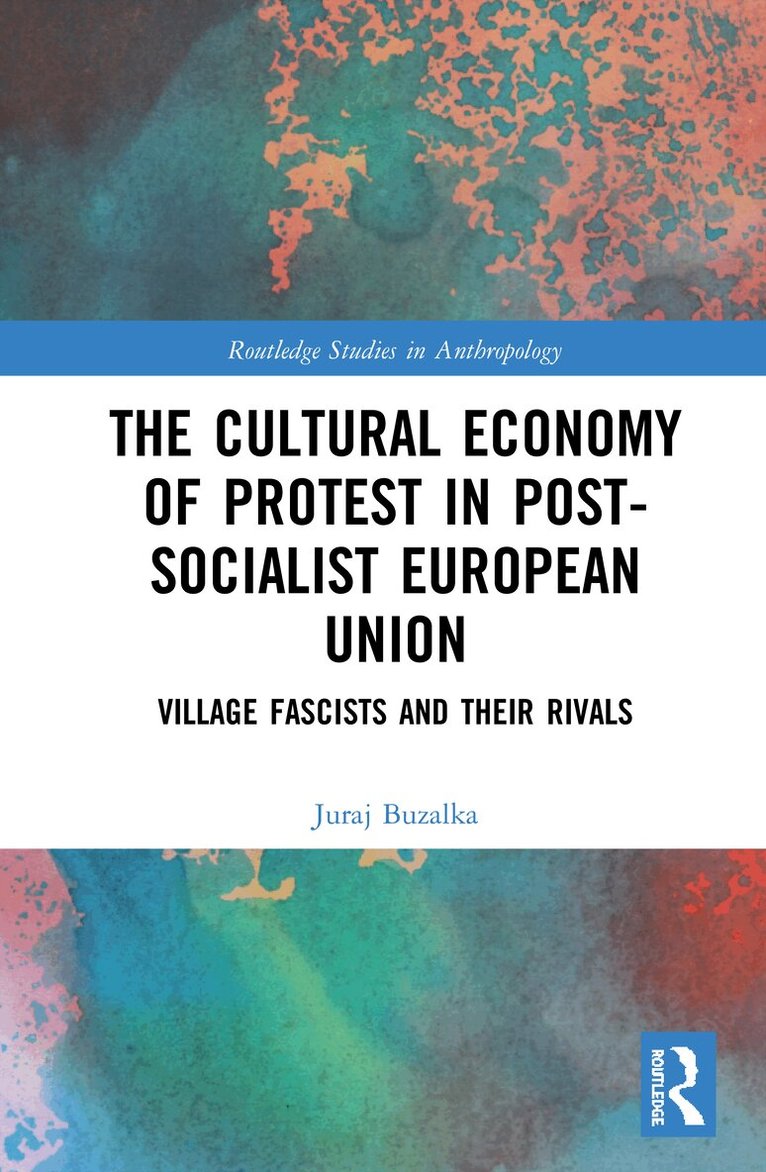
    Cultural Economy of Protest in Post-Socialist European Union

    Village Fascists and their Rivals

    AvJuraj Buzalka

    Inbunden, Engelska, 2020

    Del i serien Routledge Studies in Anthropology

    2 660 kr

    Beställningsvara. Skickas inom 10-15 vardagar. Fri frakt över 249 kr.

    Fler format och utgåvor

    Häftad

    684 kr

    E-bok

    805 kr

    E-bok

    805 kr

    Beskrivning

    Focusing on Slovakia and East Central Europe, this book examines the cultural economy of protest and considers how the origins of political movements – progressive and reactionary – derive from resilient agrarian features.It draws attention to how the legacy of rural socialist modernization influences contemporary politics and to the ‘village’ version of fascism developing in the region. The chapters look at the interplay of post-peasant economic and political habits and representations as a result of state-socialism and with regard to the European project, as viewed through an ethnographic lens. Juraj Buzalka describes the bulk of Slovak citizens as post-socialist Europeans with a connection to the countryside who feel that this is where real power in society should be defined and based. He also observes the politicians who are skillfully mobilizing post-peasants while exploiting the political-economic context of the European Union. This volume will be relevant to scholars with an interest in European society and politics, particularly protest and populism, from disciplines including anthropology, sociology, political science and history.

    Produktinformation

    • Utgivningsdatum:2020-09-23
    • Mått:156 x 234 x 20 mm
    • Vikt:449 g
    • Format:Inbunden
    • Språk:Engelska
    • Serie:Routledge Studies in Anthropology
    • Antal sidor:212
    • Förlag:Taylor & Francis Ltd
    • ISBN:9780367431518

    Utforska kategorier

    • Antropologi inom Samhälle och politik

    Mer om författaren

    Juraj Buzalka is Associate Professor at Institute of Social Anthropology, Faculty of Social and Economic Sciences, Comenius University in Bratislava, Slovakia.

    Innehållsförteckning

    • 1.The Cultural Economy of Protest; 2.The Post-Peasant House; 3. Ethnicity and the Domesticated Economy; 4. Workers and Transformation; 5.Culture of Life against the ‘System of Lies’; 6. The Romantic Leadership; 7. Village Fascists and Progressive Populists; 8. Conclusion: Post-peasant Integralism and the Liberal Question