• Fri frakt över 249 kr
  • •
  • Snabba leveranser
  • •
  • Billiga böcker
Kundservice

Du är på sajten för privatpersoner.

Företag, bibliotek eller offentlig verksamhet?

Du handlar på classic.bokus.com, där alla dina funktioner finns intakta.
Till classic.bokus.com
Bokus logotyp. Gå till startsidan.
  • Erbjudanden
  • Nyheter
  • Student
  • Topplistor
  • Barn & ungdom
  • Bokus Play
  • E-böcker
  • Pocketböcker
  • Spel & pussel

10% rabatt på allt med kod: NYSTART10 →

Sidfot

Mina sidor

    Hjälp

    • Kundservice
    • Vanliga frågor och svar
    • Frakt och leverans
    • Retur vid ångerrätt
    • Reklamera vara
    • Betalning
    • Köpvillkor
    • Allmänna villkor
    • Information om webbplatsens tillgänglighet

    Om Bokus

    • Om oss
    • Pressrum
    • För studenter
    • För företag
    • För bibliotek och offentlig verksamhet
    • För leverantörer
    • Hållbarhet

    Populärt

    • Aktuella erbjudanden
    • Presentkort
    • Studentlitteratur
    • Nya böcker
    • Topplistor
    • Signerade böcker
    • Engelska böcker

    Inspiration

    • Boktips
    • BookTok
    • Populära bokserier
    • Barnbokskaraktärer
    • Populära författare
    Logotyp för Bokus
    Följ oss på Facebook (extern länk)Följ oss på Instagram (extern länk)Följ oss på YouTube (extern länk)Följ oss på TikTok (extern länk)
    bokus @ CookiesAnpassa cookiesIntegritetspolicyKöpvillkor
    Till Citymail hemsida (extern länk)Till Budbee hemsida (extern länk)Till Postnord hemsida (extern länk)Till Schenker hemsida (extern länk)Till Early Bird hemsida (extern länk)Till Walleys hemsida (extern länk)
    1. Samhälle och politik
    2. Samhälle och kultur
    3. Kultur och medier
    4. Referensverk och tvärvetenskap

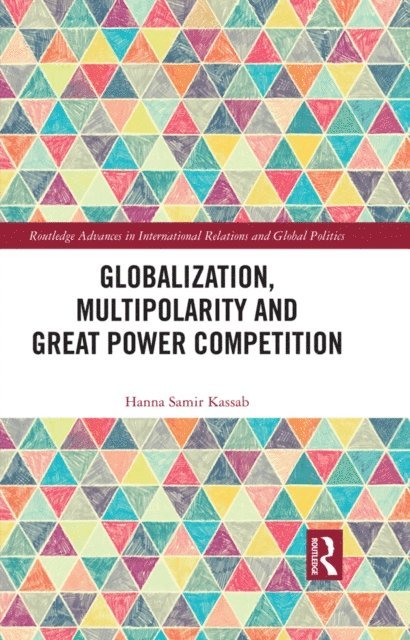
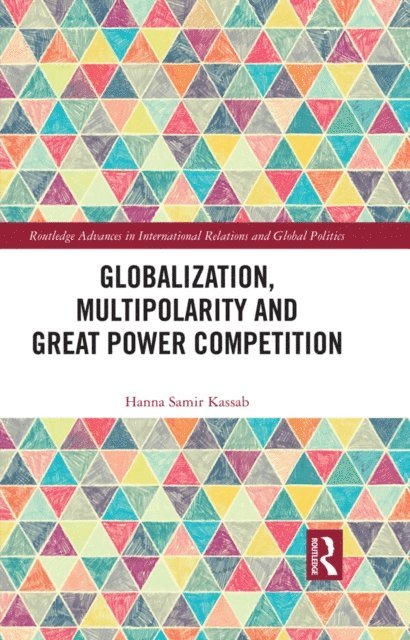
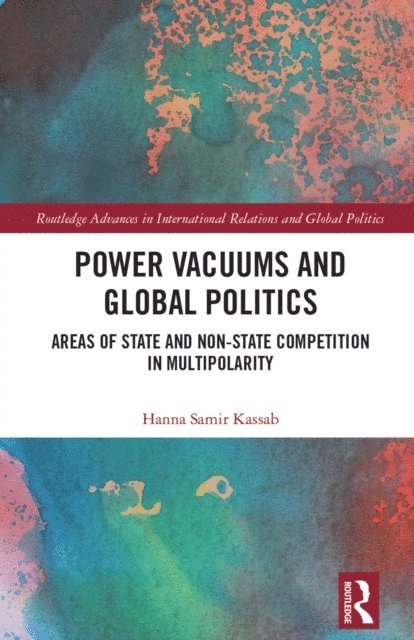
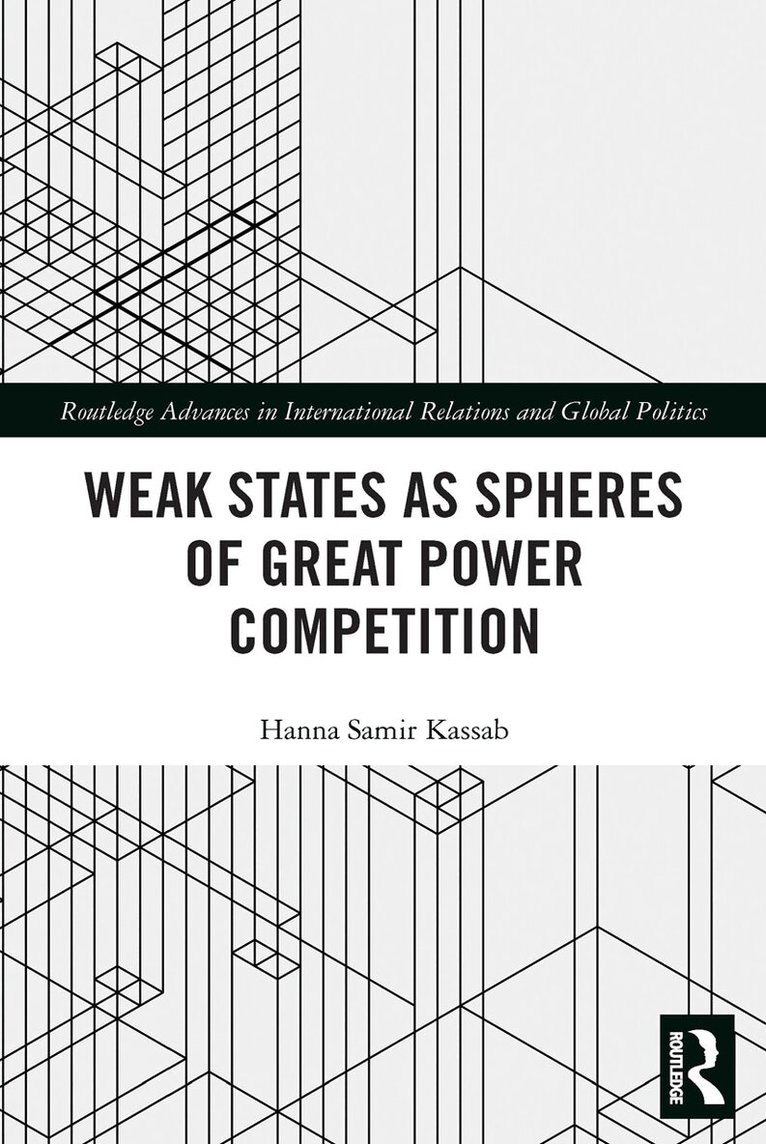
    Weak States and Spheres of Great Power Competition

    AvHanna Samir Kassab

    Inbunden, Engelska, 2020

    Del i serien Routledge Advances in International Relations and Global Politics

    2 421 kr

    Beställningsvara. Skickas inom 10-15 vardagar. Fri frakt över 249 kr.

    Fler format och utgåvor

    Häftad

    667 kr

    E-bok

    788 kr

    E-bok

    788 kr

    Beskrivning

    This book explains the development of the international system’s present-day balance of power by exploring three central questions: (1) Under what conditions has the international system order evolved from a unipolar system to the current multipolar system? (2) What are its major states? (3) How do weak powers affect great power competition?It puts forward the following hypotheses: (1) if China and Russia are expanding their military, political, and economic influence into weaker states globally, then the unipolar American order is unraveling; and (2) if the international system is multipolar, then great power balancing may enhance international security. However, balancing may be made difficult because of weak state aid-seeking behavior. When weak states engage competing great powers, they become spheres of competition. This book delves into these states. Whether in Africa, Latin America, the Middle East, Central Asia, East Asia, or Eastern Europe, great powers hope to establish some control over weaker units for security, economic, and at times, prestige purposes.This book will be of interest to students and scholars of political science and IR, security studies, and IPE, as well as members of the think tank community and policy analysts.

    Produktinformation

    • Utgivningsdatum:2020-07-14
    • Mått:156 x 234 x 15 mm
    • Vikt:440 g
    • Format:Inbunden
    • Språk:Engelska
    • Serie:Routledge Advances in International Relations and Global Politics
    • Antal sidor:184
    • Förlag:Taylor & Francis Ltd
    • ISBN:9780367505820

    Utforska kategorier

    • Referensverk och tvärvetenskap inom Samhälle och politik
    • Internationella relationer inom Samhälle och politik

    Mer om författaren

    Hanna Samir Kassab is a Teaching Assistant Professor in the Political Science Department at East Carolina University, USA.

    Recensioner i media

    "An important work, global in reach and well-rooted in international relations theory, for understanding the dynamics of the contemporary state system as the PRC expands its global engagement and challenges the US strategic position." — Dr. R. Evan Ellis, the U.S. Army War College Strategic Studies Institute, USA"Hanna Kassab is a prolific young scholar whose already long list of past publications deals with some of the most important challenges facing the world community: corruption, organized crime, drugs, energy, weak states in the international system, and other issues. All of these works provide important insights into extremely important concerns. Weak States and Spheres of Great Power Competition, which builds on much of Kassab’s past research, presents an important, comprehensive and region-by-region, examination of a major issue of the international system – great power competition for influence in weak states." — Roger E. Kanet, Professor Emeritus of Political Science at both The University of Illinois at Urbana-Champaign and the University of Miami, USA"The book exposes the tensions of great power politics in the context of weak states, which lack significant influence but emerge an important factor in the 21st-century global politics. It compellingly draws our attention to events at small places, and their potential to shape great power politics." — Debidatta Aurobinda Mahapatra, University of Central Florida, USA"Hanna Kassab's book takes into consideration not only the current geopolitical situation that shifted from bipolarity to unipolarity, and then to the current multipolarity, but it also offers its own solution of how to maintain the international system’s balance of power. The author argues that International Relations scholars and analysts should focus on state and non-state actors, since the latter have already become key players in world politics. For this line of reasoning to be taken as an innovative approach, we should remember that structural realists would always focus on major powers to explain the international system’s balance of power. However, with globalization, small states and non-state actors, including terrorist organizations, there have proven to be game changers. And by relating the politics of weak states and violent non-state actors to major powers’ behaviour, this monograph offers a fresh approach to how to explain the current situation with violent conflicts around the globe and how to change the trajectory of war by analysing the significance of small states as well as non-state actors’ foreign policy choices." — Lilia Arakelyan, Florida International University, USA and Consultant for the United Nations Development Programme

    Innehållsförteckning

    • 1. Introduction Part I: Great Powers and the Balance of Power 2. The United States and its Unipolar Moment 3. Eastern European 4. East Asia 5. Middle East Part II: Weaker states and Non-state Actors: Spheres of Great Power Competition 6. Latin America 7. Africa 8. Other Spheres of Competition and Global non-state issues 9. Conclusions