• Fri frakt över 249 kr
  • •
  • Snabba leveranser
  • •
  • Billiga böcker
Kundservice

Du är på sajten för privatpersoner.

Företag, bibliotek eller offentlig verksamhet?

Du handlar på classic.bokus.com, där alla dina funktioner finns intakta.
Till classic.bokus.com
Bokus logotyp. Gå till startsidan.
  • Erbjudanden
  • Nyheter
  • Student
  • Topplistor
  • Barn & ungdom
  • Bokus Play
  • E-böcker
  • Pocketböcker
  • Spel & pussel

10% rabatt på allt med kod: NYSTART10 →

Sidfot

Mina sidor

    Hjälp

    • Kundservice
    • Vanliga frågor och svar
    • Frakt och leverans
    • Retur vid ångerrätt
    • Reklamera vara
    • Betalning
    • Köpvillkor
    • Allmänna villkor
    • Information om webbplatsens tillgänglighet

    Om Bokus

    • Om oss
    • Pressrum
    • För studenter
    • För företag
    • För bibliotek och offentlig verksamhet
    • För leverantörer
    • Hållbarhet

    Populärt

    • Aktuella erbjudanden
    • Presentkort
    • Studentlitteratur
    • Nya böcker
    • Topplistor
    • Signerade böcker
    • Engelska böcker

    Inspiration

    • Boktips
    • BookTok
    • Populära bokserier
    • Barnbokskaraktärer
    • Populära författare
    Logotyp för Bokus
    Följ oss på Facebook (extern länk)Följ oss på Instagram (extern länk)Följ oss på YouTube (extern länk)Följ oss på TikTok (extern länk)
    bokus @ CookiesAnpassa cookiesIntegritetspolicyKöpvillkor
    Till Citymail hemsida (extern länk)Till Budbee hemsida (extern länk)Till Postnord hemsida (extern länk)Till Schenker hemsida (extern länk)Till Early Bird hemsida (extern länk)Till Walleys hemsida (extern länk)
    1. Skönlitteratur
    2. Litteraturvetenskap
    3. Litteraturvetenskap

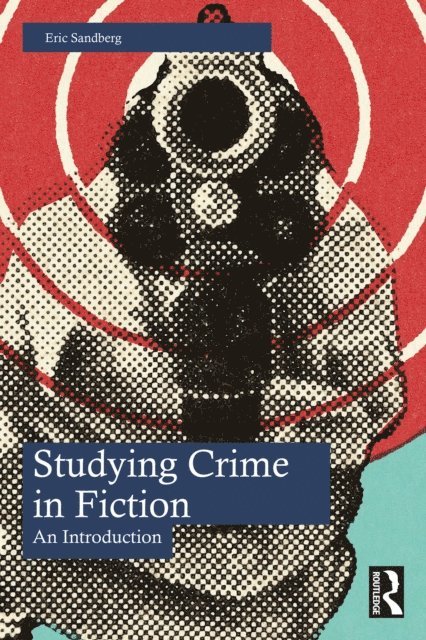
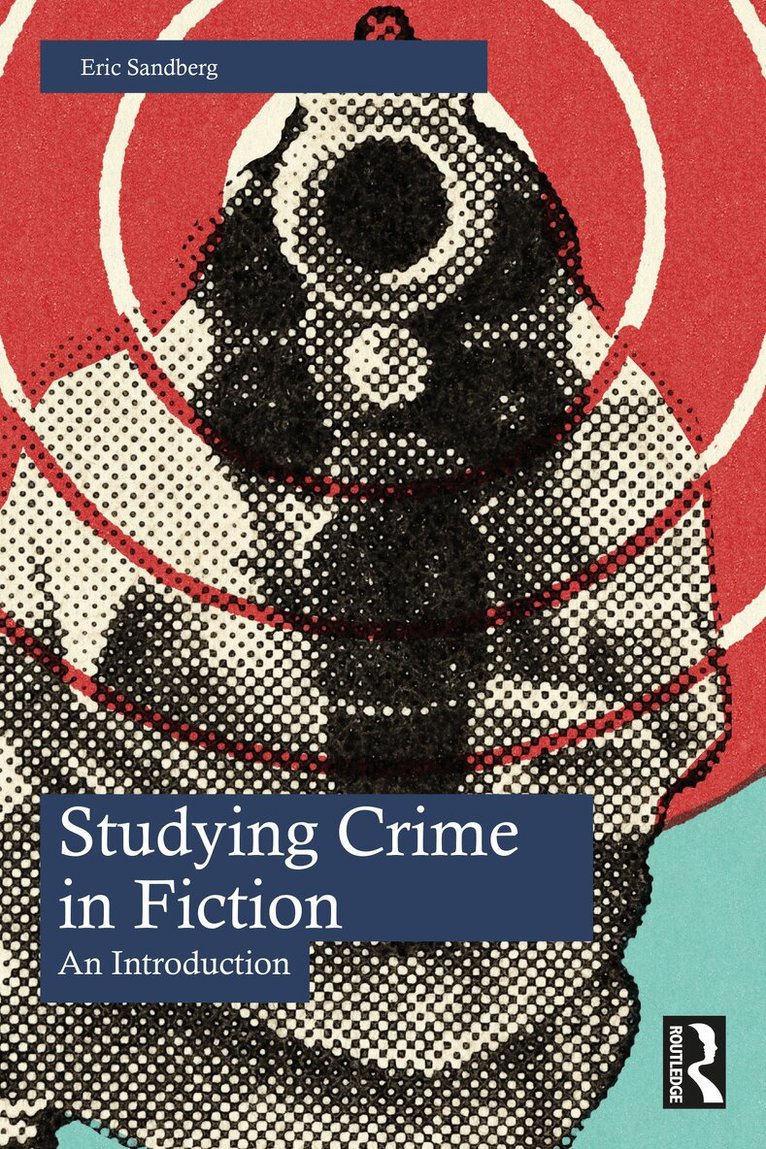
    Studying Crime in Fiction

    An Introduction

    AvEric Sandberg

    Inbunden, Engelska, 2024

    2 786 kr

    Beställningsvara. Skickas inom 10-15 vardagar. Fri frakt över 249 kr.

    Fler format och utgåvor

    Häftad

    654 kr

    E-bok

    771 kr

    E-bok

    771 kr

    Beskrivning

    The primary aim of Studying Crime in Fiction: An Introduction is to introduce the emerging cross-disciplinary area of study that combines the fields of crime fiction studies and criminology. The study of crime fiction as a genre has a long history within literary studies, and is becoming increasingly prominent in twenty-first-century scholarship. Less attention, however, has been paid to the ways in which elements of criminology, or the systematic study of crime and criminal behaviour from a wide range of perspectives, have influenced the production and reception of crime narratives. Similarly, not enough attention has been paid to the ways in which crime fiction as a genre can inform and enliven the study of criminology. Written largely for undergraduate and graduate students, but also for scholars of crime fiction and criminology interested in thinking across disciplinary boundaries, Studying Crime in Fiction: An Introduction provides full coverage of the backgrounds of the related fields of crime fiction studies and criminology, and explores the many ways they are reciprocally illuminating.The four main chapters in Section 1 (Orient You) familiarize readers with the history and contours of the broad fields within which Studying Crime in Fiction: An Introduction operates. It introduces the history of crime and criminology, as well the history of crime fiction and the academic field dedicated to its study. In its final chapter it looks at the ways these areas of study can be conceptually interrelated. Section 2 of the book (Equip You) is dedicated to examining aspects of criminological theory in relation to various forms of crime fiction. It highlights a range of the most relevant theories, paradigms, and problematics of criminology that appear in, shed light on, or can be effectively illuminated through reference to crime fiction. Its five chapters deal with the definition of crime; explanations for crime and criminal behaviour; investigations into crime; the experience of crime; and, finally, punishments for crime. All of these areas are examined alongside examples of crime fiction drawn from across the genre’s history. Section 3 (Enable You) presents six case studies. Each of these reads a work of crime fiction alongside one or more criminological approaches. Each case study is supplemented with a set of questions addressing issues central to the study of crime in fiction.

    Produktinformation

    • Utgivningsdatum:2024-03-04
    • Mått:152 x 229 x 16 mm
    • Vikt:453 g
    • Format:Inbunden
    • Språk:Engelska
    • Antal sidor:204
    • Förlag:Taylor & Francis Ltd
    • ISBN:9780367742102

    Utforska kategorier

    • Litteraturvetenskap inom Skönlitteratur
    • Brottslighet och kriminologi inom Samhälle och politik

    Mer om författaren

    Eric Sandberg completed his PhD at the University of Edinburgh, and has held positions at universities in Turkey, Japan, and Finland. He is currently Associate Professor at City University of Hong Kong, and also holds a docentship at the University of Oulu, Finland. His research interests range from modernism to the contemporary novel, with a particular focus on crime fiction, adaptation, and nostalgia studies. He has written and edited six books, and his work has appeared in numerous edited collections and journals.

    Innehållsförteckning

    • Introduction Section 1: Orient You Chapter 1: A History of Crime Chapter 2: A History of CriminologyChapter 3: A History of Crime Fiction Chapter 4: A History of Crime Fiction Chapter 5: The Criminology of Crime Fiction Section 2: ‘Equip You’ Chapter 6: Defining Crime Chapter 7: Explaining CrimeChapter 8: Investigating Crime Chapter 9: Experiencing Crime Chapter 10: Punishing CrimeSection 3 ‘Enable You’ Case Study 1: Arthur Conan Doyle’s The Sign of Four­­­­––Imperial Crimes Case Study 2: Agatha Christie’s Crooked House––Family CrimesCase Study 3: Walter Mosley’s Devil in a Blue Dress––Racial Crimes Case Study 4: Maj Sjöwall and Per Wahlöö’s The Man on the Balcony––Social CrimesCase Study 5: Neal Stephenson’s Zodiac––Environmental Crimes Case Study 6: Natsuo Kirino’s Out­­––Gendered Crimes