• Fri frakt över 249 kr
  • •
  • Snabba leveranser
  • •
  • Billiga böcker
Kundservice

Du är på sajten för privatpersoner.

Företag, bibliotek eller offentlig verksamhet?

Du handlar på classic.bokus.com, där alla dina funktioner finns intakta.
Till classic.bokus.com
Bokus logotyp. Gå till startsidan.
  • Erbjudanden
  • Nyheter
  • Student
  • Topplistor
  • Barn & ungdom
  • Bokus Play
  • E-böcker
  • Pocketböcker
  • Spel & pussel

10% rabatt på allt med kod NYSTART10 →

Sidfot

Mina sidor

    Hjälp

    • Kundservice
    • Vanliga frågor och svar
    • Frakt och leverans
    • Retur vid ångerrätt
    • Reklamera vara
    • Betalning
    • Köpvillkor
    • Allmänna villkor
    • Information om webbplatsens tillgänglighet

    Om Bokus

    • Om oss
    • Pressrum
    • För studenter
    • För företag
    • För bibliotek och offentlig verksamhet
    • För leverantörer
    • Hållbarhet

    Populärt

    • Aktuella erbjudanden
    • Presentkort
    • Studentlitteratur
    • Nya böcker
    • Topplistor
    • Signerade böcker
    • Engelska böcker

    Inspiration

    • Boktips
    • BookTok
    • Populära bokserier
    • Barnbokskaraktärer
    • Populära författare
    Logotyp för Bokus
    Följ oss på Facebook (extern länk)Följ oss på Instagram (extern länk)Följ oss på YouTube (extern länk)Följ oss på TikTok (extern länk)
    bokus @ CookiesAnpassa cookiesIntegritetspolicyKöpvillkor
    Till Citymail hemsida (extern länk)Till Budbee hemsida (extern länk)Till Postnord hemsida (extern länk)Till Schenker hemsida (extern länk)Till Early Bird hemsida (extern länk)Till Walleys hemsida (extern länk)
    1. Medicin
    2. Medicin: allmänt

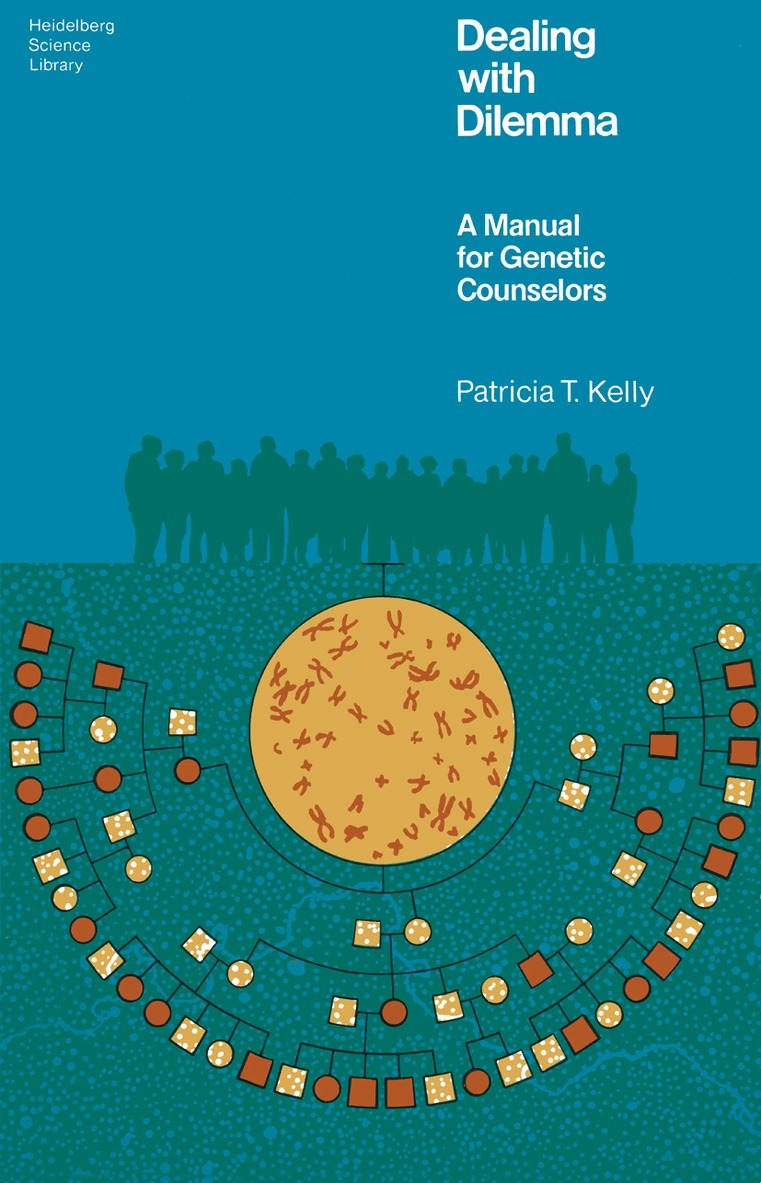
    Dealing with Dilemma

    A Manual for Genetic Counselors

    AvP. T. Kelly

    Häftad, Engelska, 1977

    Del i serien Heidelberg Science Library

    562 kr

    Beställningsvara. Skickas inom 10-15 vardagar. Fri frakt över 249 kr.

    Fler format och utgåvor

    E-bok

    732 kr

    Beskrivning

    The aim of DEALING WITH DILEMMA is to inte­ grate medical and genetic information with the psychoso­ cial aspects of genetic counseling, in order to provide a working manual for genetic counselors. The book fills a gap in the genetic counseling field because it emphasizes the humanistic aspects of genetic counseling, and is primarily concerned with communica­ tion between genetic counselor and counselee. The few genetic counseling books available at this time are devoted almost entirely to the medical and genetic aspects of the subject. This book is written in nontechnical language, but it presupposes some knowledge of Mendelian genetics, poly­ genic inheritance, and chromosomal anomalies. No prior study of psychology or counseling is necessary, however. DEALING WITH DILEMMA is intended for physi­ cian and nonphysician genetic counselors, private practice physicians in pediatrics, obstetrics, family and general practice, internists, nurses, public health professionals, genetic counseling students, social workers, and other health professionals. Much of the material presented should be useful to those who deal with the psychosocial ramifications of many nongenetic diseases as well-prob­ lems of the mentally retarded, handicapped, or chronically ill. In addition, it is hoped that professionals who plan state and federal health policy can use this book to gain a better knowledge of the humanistic side of genetic counseling.

    Produktinformation

    • Utgivningsdatum:1977-07-21
    • Mått:155 x 235 x 9 mm
    • Vikt:254 g
    • Format:Häftad
    • Språk:Engelska
    • Serie:Heidelberg Science Library
    • Antal sidor:144
    • Förlag:Springer-Verlag New York Inc.
    • ISBN:9780387902371

    Utforska kategorier

    • Medicin: allmänt inom Medicin
    • Medicinsk genetik inom Medicin

    Innehållsförteckning

    • 1 Introduction.- 2 Overview of the Genetic Counseling Process.- Preparation for First Visit.- Intake Visit.- Diagnostic Visit.- Follow-up Visits.- Follow-up Letter.- 3 Intake Visit.- Providing the Family with Information about Genetic Counseling Procedures and Personnel.- Exploring the Medical and Genetic Aspects of the Disease.- Exploring the Social Aspects and Impact of the Disease.- Preparing the Family for the Diagnostic Stage—Factually.- Preparing the Family for the Diagnostic Stage—Emotionally.- 4 Diagnostic Visit.- The Setting.- Timing.- Tact.- Concern for the Client in the Organization of Routines.- Modes of Inheritance and Chromosomal Disorders.- Chromosomal Disorders.- Dominant Disorders.- Recessive Disorders.- X-linked Disorders.- Polygenic Disorders.- Diagnosis Uncertain.- Probability and Statistics.- 5 Follow-up Visits.- Areas Covered in Follow-up Visits.- The Main Purposes of Follow-up Visits.- Transcript of a Follow-up Visit.- 6 Emotional and Social Reactions to Genetic Disease.- Stigma.- Chronic sorrow.- Anger.- Guilt.- Poor Self-image.- Blame.- Embarrassment.- Feelings of Selfishness.- Fear of Genetic Counseling.- Denial.- Coping.- 7 Genetic Counseling Techniques.- Considerations Before the First Session.- Opening the Session.- The Body of the Interview.- Closing the Interview.- Specific Approaches to Counseling.- 8 Sociological Aspects of Genetic Counseling.- Reactions of Patients or Clients.- Doctor-Patient Communication.- Medicine’s Changing Emphasis.- 9 Questions Genetic Counselors Ask.- Question 1: How can I tell what people really want from genetic counseling?.- Question 2: Some people are very uncommunicative. How can I encourage them to talk?.- Question 3: How can I keep one member of a family from monopolizing the conversation?.- Question4: How can I learn more about the people I am counseling if people act as if I am prying?.- Question 5: What if I ask a question and the individual does not answer it, but talks about something else?.- Question 6: Once people start talking about their feelings and emotions, how can I get them to stop?.- Question 7: What can I do when someone cries?.- Question 8: What can I do when people get angry at me?.- Question 9: What can I do when family members get angry at each other?.- Question 10: What can I do when spouses disagree?.- Question 11: How can I handle my own feelings of insecurity as I counsel?.- Question 12: If I feel the family needs more counseling help than I can give, how do I refer them to a mental health expert?.- Question 13: What can I say when people ask what I would do in a given situation?.- Question 14: How can silence be used?.- Question 15: Sometimes people who seek genetic counseling act as if they were at a party. What can I do?.- Question 16: Is it necessary for both members of a couple to be present?.- Appendix A: Intake and Follow-up Interview Schedules.- Intake Interview.- Follow-up Interview.- Appendix B: Glossary of Genetic Diseases.