• Fri frakt över 249 kr
  • •
  • Snabba leveranser
  • •
  • Billiga böcker
Kundservice

Du är på sajten för privatpersoner.

Företag, bibliotek eller offentlig verksamhet?

Du handlar på classic.bokus.com, där alla dina funktioner finns intakta.
Till classic.bokus.com
Bokus logotyp. Gå till startsidan.
  • Erbjudanden
  • Nyheter
  • Student
  • Topplistor
  • Barn & ungdom
  • Bokus Play
  • E-böcker
  • Pocketböcker
  • Spel & pussel

10% rabatt på allt med kod: NYSTART10 →

Sidfot

Mina sidor

    Hjälp

    • Kundservice
    • Vanliga frågor och svar
    • Frakt och leverans
    • Retur vid ångerrätt
    • Reklamera vara
    • Betalning
    • Köpvillkor
    • Allmänna villkor
    • Information om webbplatsens tillgänglighet

    Om Bokus

    • Om oss
    • Pressrum
    • För studenter
    • För företag
    • För bibliotek och offentlig verksamhet
    • För leverantörer
    • Hållbarhet

    Populärt

    • Aktuella erbjudanden
    • Presentkort
    • Studentlitteratur
    • Nya böcker
    • Topplistor
    • Signerade böcker
    • Engelska böcker

    Inspiration

    • Boktips
    • BookTok
    • Populära bokserier
    • Barnbokskaraktärer
    • Populära författare
    Logotyp för Bokus
    Följ oss på Facebook (extern länk)Följ oss på Instagram (extern länk)Följ oss på YouTube (extern länk)Följ oss på TikTok (extern länk)
    bokus @ CookiesAnpassa cookiesIntegritetspolicyKöpvillkor
    Till Citymail hemsida (extern länk)Till Budbee hemsida (extern länk)Till Postnord hemsida (extern länk)Till Schenker hemsida (extern länk)Till Early Bird hemsida (extern länk)Till Walleys hemsida (extern länk)
    1. Juridik
    2. Särskilda rättsområden
    3. Författningsrätt och förvaltningsrätt
    4. Mänskliga och medborgerliga rättigheter

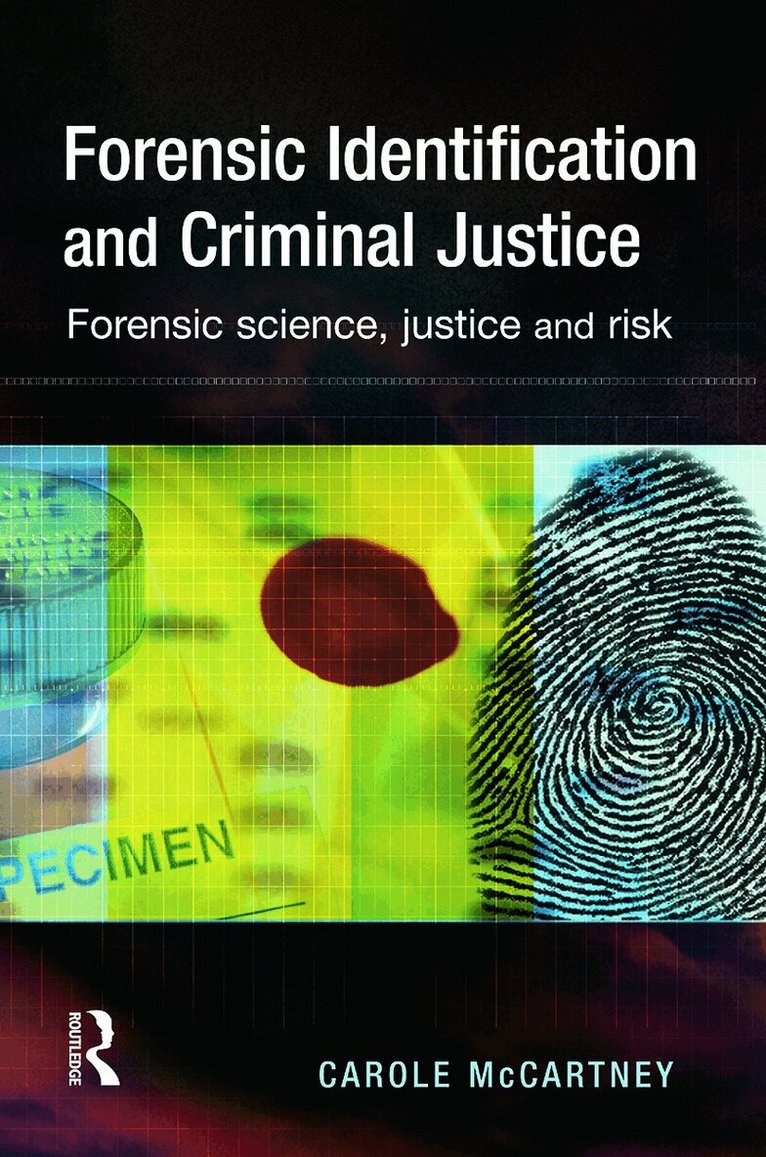
    Forensic Identification and Criminal Justice

    AvCarole McCartney

    Häftad, Engelska, 2012

    808 kr

    Beställningsvara. Skickas inom 10-15 vardagar. Fri frakt över 249 kr.

    Fler format och utgåvor

    E-bok

    957 kr

    E-bok

    959 kr

    Inbunden

    2 229 kr

    Beskrivning

    This book provides an account of the development of forensic identification technologies and the way in which this has impacted upon the legal system. It traces the advent of forensic identification technologies, focusing on fingerprinting and forensic DNA typing, and their growing deployment within the criminal justice system. It also elucidates the ways in which these new technologies are accelerating procedural changes to investigative practices, and shows the ways in which in some areas human rights (such as privacy rights and rights against discrimination) are coming under threat. The use of forensic evidence in criminal investigations and trials is analysed in detail. This book uncovers the way in which this new reliance on forensic technologies has gained a foothold within the criminal justice system, and the risks and dangers that this can pose. The National DNA Database provides a particular focus of attention. The author seeks to move beyond an approach that has seen forensic DNA profiling as error free, situating her analysis within broader risk discourses.

    Produktinformation

    • Utgivningsdatum:2012-05-17
    • Mått:156 x 234 x 14 mm
    • Vikt:500 g
    • Format:Häftad
    • Språk:Engelska
    • Antal sidor:272
    • Förlag:Taylor & Francis Ltd
    • ISBN:9780415628327

    Utforska kategorier

    • Mänskliga och medborgerliga rättigheter inom Juridik
    • Straffprocessrätt inom Juridik

    Mer om författaren

    Carole McCartney is a Senior Lecturer in the School of Law, Leeds University. Her research interests include Australian justice, innocence projects, and DNA and criminal justice.

    Recensioner i media

    'DNA Technology represents one of the greatest scientific advancements of the last century. It has been truly phenomenal. Forensic Identification and Criminal Justice not only focuses on the development of DNA and other identification technologies and their uses within our criminal justice system, but also identifies the consideration that from scientific, legal and ethical perspectives total reliance on such evidence is not without risk. Such risk might arise as a result of the manipulation, misapplication or misunderstanding of the data in the courtroom. The book blends scientific knowledge and legal principles with philosophical concepts, particularly in relation to civil liberties and human rights. Importantly, it offers nothing that seriously undermines justifiable confidence in DNA evidence. The book provides a penetrating analysis of the subject and is a work for the shelves of force libraries.' − David Pickover, legal editor of Police Review

    Innehållsförteckning

    • Introduction  1. Forensic identification: the legal framework.  Police investigations and forensic identity evidence.  Fingerprints and DNA sampling: the legal framework  2. Forensic identification: the criminal investigation.  DNA and police investigations.  The DNA Expansion Programme.  DNA and criminal detection rates.  Forensic science and criminal investigation: a case for caution?.  Conclusion: forensic identification and the criminal process  3. Forensic identification: the criminal trial.  The criminal trial: fairness or truth?.  Identity 'matches': acceptance of fingerprint and DNA evidence.  The criminal trial: certainty and rectitude.  Conclusion: forensic identification and the criminal trial.  Forensic identification and criminal justice  4. The development of forensic identity databases.  The development of forensic identity databases.  Fingerprint databasing.  A sceptical approach to forensic identity databases.  Forensic identity databases: some new risks.  Forensic identity databases: current problems, future risks.  Conclusion: the endangerment of innocence in the pursuit of security  5. Forensic identification in other jurisdictions.  Europe Pan-European developments.  Interpol USA Canada New Zealand and Australia.  Conclusion: England and Wales - leading the way?  6. The future of forensic identification: issues and prospects.  Fingerprints and DNA in the 'fight against crime'.  Future applications for forensic identification technologies.  Forensic identification: human rights and civil liberties.  Forensic identity databases: issues and prospects.  The 'infallibility' of forensic identification.  The information society: heading for 'information overload'?.  Conclusion: Cause for optimism, pessimism, or scepticism?