• Fri frakt över 249 kr
  • •
  • Snabba leveranser
  • •
  • Billiga böcker
Kundservice

Du är på sajten för privatpersoner.

Företag, bibliotek eller offentlig verksamhet?

Du handlar på classic.bokus.com, där alla dina funktioner finns intakta.
Till classic.bokus.com
Bokus logotyp. Gå till startsidan.
  • Erbjudanden
  • Nyheter
  • Student
  • Topplistor
  • Barn & ungdom
  • Bokus Play
  • E-böcker
  • Pocketböcker
  • Spel & pussel

10% rabatt på allt med kod NYSTART10 →

Sidfot

Mina sidor

    Hjälp

    • Kundservice
    • Vanliga frågor och svar
    • Frakt och leverans
    • Retur vid ångerrätt
    • Reklamera vara
    • Betalning
    • Köpvillkor
    • Allmänna villkor
    • Information om webbplatsens tillgänglighet

    Om Bokus

    • Om oss
    • Pressrum
    • För studenter
    • För företag
    • För bibliotek och offentlig verksamhet
    • För leverantörer
    • Hållbarhet

    Populärt

    • Aktuella erbjudanden
    • Presentkort
    • Studentlitteratur
    • Nya böcker
    • Topplistor
    • Signerade böcker
    • Engelska böcker

    Inspiration

    • Boktips
    • BookTok
    • Populära bokserier
    • Barnbokskaraktärer
    • Populära författare
    Logotyp för Bokus
    Följ oss på Facebook (extern länk)Följ oss på Instagram (extern länk)Följ oss på YouTube (extern länk)Följ oss på TikTok (extern länk)
    bokus @ CookiesAnpassa cookiesIntegritetspolicyKöpvillkor
    Till Citymail hemsida (extern länk)Till Budbee hemsida (extern länk)Till Postnord hemsida (extern länk)Till Schenker hemsida (extern länk)Till Early Bird hemsida (extern länk)Till Walleys hemsida (extern länk)
    1. Kultur
    2. Arkitektur

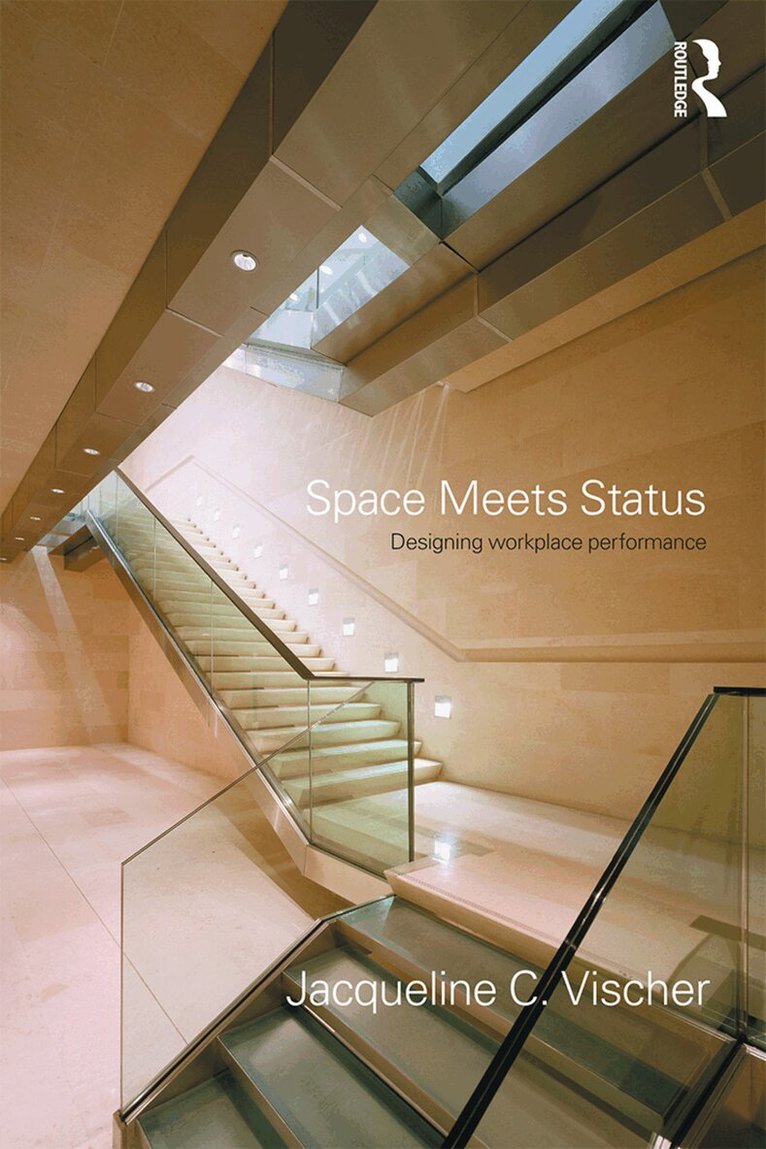
    Space Meets Status

    Designing Workplace Performance

    AvJacqueline Vischer

    Häftad, Engelska, 2005

    600 kr

    Beställningsvara. Skickas inom 10-15 vardagar. Fri frakt över 249 kr.

    Fler format och utgåvor

    Inbunden

    1 511 kr

    E-bok

    708 kr

    E-bok

    710 kr

    Beskrivning

    Showing how worker productivity and stress levels are affected by factors such as lighting, ventilation, temperature, noise and layout, this book demonstrates how the technical aspects of human comfort do not always tally with users' perceptions and behaviour. With vivid examples and case studies to illustrate how space is a corporate resource rather than simply overhead, Vischer reveals how companies can improve their ability to make design decisions on how best to accommodate their employees in a high quality workspace.

    Produktinformation

    • Utgivningsdatum:2005-08-04
    • Mått:156 x 234 x 9 mm
    • Vikt:340 g
    • Format:Häftad
    • Språk:Engelska
    • Antal sidor:184
    • Förlag:Taylor & Francis Ltd
    • ISBN:9780415701051

    Utforska kategorier

    • Arkitektur inom Kultur
    • Projektledning inom Ekonomi och Ledarskap

    Mer om författaren

    Jacqueline C. Vischer is an environmental psychologist with a degree in Architecture. Until recently director of the consullting firm Buildings-In-Use which provided workplace consulting and design services to a variety of significant coproprate and government clients, she is now professor at the University of MOntreal, and founder and director of the New Work Environments Research Group (Groupe de Recherche sur les Environnements de Travail). She has written several pervious books on the human aspects of workspace, and her method of measuring the human impact of environmental conditions in offices is widely cited and used internationally.

    Recensioner i media

    'Jacqueline Vischer's vision of the office environment, and how it affects work and behaviour, is a vital read for those interested in creating the most productive and creative workspaces.'- FX Magazine, October 2005

    Innehållsförteckning

    • Foreword Fritz Steele 1. Kingdom, Castle, Office: The Space or Place We Work 2. The Organization-Accommodation Relationship: What Is It About Change? 3. Territoriality Examined: Being at Home at Work 4. Comfort and Productivity: Space as a Tool for Work 5.Environmental Improvement: Taking Control 6. The Workspace Transformation Imperative