• Fri frakt över 249 kr
  • •
  • Snabba leveranser
  • •
  • Billiga böcker
Kundservice

Du är på sajten för privatpersoner.

Företag, bibliotek eller offentlig verksamhet?

Du handlar på classic.bokus.com, där alla dina funktioner finns intakta.
Till classic.bokus.com
Bokus logotyp. Gå till startsidan.
  • Erbjudanden
  • Nyheter
  • Student
  • Topplistor
  • Barn & ungdom
  • Bokus Play
  • E-böcker
  • Pocketböcker
  • Spel & pussel

10% rabatt på allt med kod: NYSTART10 →

Sidfot

Mina sidor

    Hjälp

    • Kundservice
    • Vanliga frågor och svar
    • Frakt och leverans
    • Retur vid ångerrätt
    • Reklamera vara
    • Betalning
    • Köpvillkor
    • Allmänna villkor
    • Information om webbplatsens tillgänglighet

    Om Bokus

    • Om oss
    • Pressrum
    • För studenter
    • För företag
    • För bibliotek och offentlig verksamhet
    • För leverantörer
    • Hållbarhet

    Populärt

    • Aktuella erbjudanden
    • Presentkort
    • Studentlitteratur
    • Nya böcker
    • Topplistor
    • Signerade böcker
    • Engelska böcker

    Inspiration

    • Boktips
    • BookTok
    • Populära bokserier
    • Barnbokskaraktärer
    • Populära författare
    Logotyp för Bokus
    Följ oss på Facebook (extern länk)Följ oss på Instagram (extern länk)Följ oss på YouTube (extern länk)Följ oss på TikTok (extern länk)
    bokus @ CookiesAnpassa cookiesIntegritetspolicyKöpvillkor
    Till Citymail hemsida (extern länk)Till Budbee hemsida (extern länk)Till Postnord hemsida (extern länk)Till Schenker hemsida (extern länk)Till Early Bird hemsida (extern länk)Till Walleys hemsida (extern länk)
    1. Samhälle och politik
    2. Sociologi och antropologi
    3. Sociologi

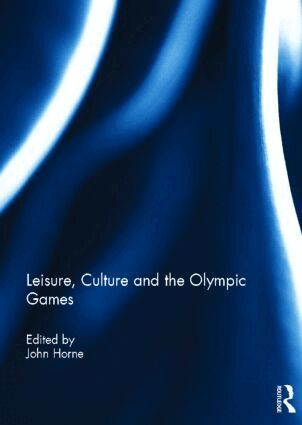
    Leisure, Culture and the Olympic Games

    AvJohn Horne

    Inbunden, Engelska, 2013

    2 421 kr

    Beställningsvara. Skickas inom 10-15 vardagar. Fri frakt över 249 kr.

    Beskrivning

    This edited collection contains six refreshing critical assessments of the leisure-sport relationship from societies that have staged the Olympic and Paralympic Games and contains valuable information for those who live in societies that aspire to host the Games. The collection begins and ends with discussions of the Olympic Games as a platform for protest. The first and last chapters consider the changing political relationships from 1968 in Mexico City, when one of the most politically-charged gestures ever made by athletes took place, and the campaigns surrounding the ethical responsibilities of those hosting the Olympics in London in 2012. Other chapters consider the sociocultural legacy of the Seoul Olympics, assess the likely regeneration legacies of the London 2012 Games, examine the relationship between hosting societies and indigenous cultures and analyse the effectiveness and appeal of Olympic mascots.This collection provides not just insight into the past and present effects of the Olympic and Paralympic Games but also offers readers the opportunity to reflect upon and consider the impact of these sports mega-events on their everyday lives.This book was published as a special issue of Leisure Studies.

    Produktinformation

    • Utgivningsdatum:2013-05-31
    • Mått:174 x 246 x 13 mm
    • Vikt:2 820 g
    • Format:Inbunden
    • Språk:Engelska
    • Antal sidor:126
    • Förlag:Taylor & Francis Ltd
    • ISBN:9780415826884

    Utforska kategorier

    • Sociologi inom Samhälle och politik

    Mer om författaren

    John Horne is Professor of Sport and Sociology in the School of Sport, Tourism and The Outdoors, University of Central Lancashire. He is the author and co-author of numerous articles, book chapters and books including Sport in Consumer Culture (2006), Understanding Sport: A Socio-Cultural Analysis (2013) and Understanding the Olympics (2012) and co-editor of Sports Mega-Events (2006).

    Innehållsförteckning

    • 1. Introduction: Leisure, culture and the Olympic games 2. Retrospective reflections on the Black American male athlete and the 1968 Olympics: an elite interview with Dr Harry Edwards 3. The sociocultural legacy of the 1988 Seoul Olympic Games 4. Complex context: Aboriginal participation in hosting the Vancouver 2010 Winter Olympic and Paralympic Games 5. Beyond the Games: regeneration legacies and London 2012 6. A vision of London in the twenty-first century or just terrifying monsters: a semiotic analysis of the official mascots for the London 2012 Olympic and Paralympic Games 7. The Olympics as a platform for protest: a case study of the London 2012 ‘ethical’ Games and the Play Fair campaign for workers’ rights