• Fri frakt över 249 kr
  • •
  • Snabba leveranser
  • •
  • Billiga böcker
Kundservice

Du är på sajten för privatpersoner.

Företag, bibliotek eller offentlig verksamhet?

Du handlar på classic.bokus.com, där alla dina funktioner finns intakta.
Till classic.bokus.com
Bokus logotyp. Gå till startsidan.
  • Erbjudanden
  • Nyheter
  • Student
  • Topplistor
  • Barn & ungdom
  • Bokus Play
  • E-böcker
  • Pocketböcker
  • Spel & pussel

10% rabatt på allt med kod: NYSTART10 →

Sidfot

Mina sidor

    Hjälp

    • Kundservice
    • Vanliga frågor och svar
    • Frakt och leverans
    • Retur vid ångerrätt
    • Reklamera vara
    • Betalning
    • Köpvillkor
    • Allmänna villkor
    • Information om webbplatsens tillgänglighet

    Om Bokus

    • Om oss
    • Pressrum
    • För studenter
    • För företag
    • För bibliotek och offentlig verksamhet
    • För leverantörer
    • Hållbarhet

    Populärt

    • Aktuella erbjudanden
    • Presentkort
    • Studentlitteratur
    • Nya böcker
    • Topplistor
    • Signerade böcker
    • Engelska böcker

    Inspiration

    • Boktips
    • BookTok
    • Populära bokserier
    • Barnbokskaraktärer
    • Populära författare
    Logotyp för Bokus
    Följ oss på Facebook (extern länk)Följ oss på Instagram (extern länk)Följ oss på YouTube (extern länk)Följ oss på TikTok (extern länk)
    bokus @ CookiesAnpassa cookiesIntegritetspolicyKöpvillkor
    Till Citymail hemsida (extern länk)Till Budbee hemsida (extern länk)Till Postnord hemsida (extern länk)Till Schenker hemsida (extern länk)Till Early Bird hemsida (extern länk)Till Walleys hemsida (extern länk)
    1. Medicin
    2. Medicin: icke kliniska discipliner
    3. Anatomi

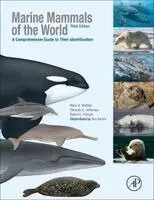
    Marine Mammals of the World

    A Comprehensive Guide to Their Identification

    AvMarc A. Webber,Thomas Allen Jefferson

    Häftad, Engelska, 2026

    1 479 kr

    Kommande

    Beskrivning

    Marine Mammals of the World, Third Edition describes and illustrates newly discovered and rarely photographed species, making it the most comprehensive and up-to-date identification guide to all marine global mammal species. This latest edition meets the research-focused needs of marine biologists, conservation biologists, and students, as well as weekend whale-watchers and community scientists by providing an unmatched collection of new illustrations and photos brought about by related advances in digital and drone photography. This guide describes the identification features, global distribution, and basic biology of all the extant and recently extinct marine mammal species, including cetaceans, sirenians, pinnipeds, and other marine carnivores.

    This a vital resource for marine biologists and ecologists, as well as wildlife managers, conservation and comparative biologists, and physiologists.


    • Provides the most detailed and anatomically accurate illustrations currently available of marine mammals, including more than 750 new illustrations and photographs
    • Emphasizes field identification of species in "challenging groups," such as beaked and rorqual whales and southern fur seals
    • Describes and illustrates rare color variants and hybrids
    • Includes keys to identification based on external appearance and skulls
    • Contains updated taxonomy, including four new species of cetaceans

    Produktinformation

    • Utgivningsdatum:2026-12-15
    • Mått:216 x 276 x undefined mm
    • Vikt:450 g
    • Format:Häftad
    • Språk:Engelska
    • Antal sidor:500
    • Upplaga:3
    • Förlag:Elsevier Science
    • ISBN:9780443185724

    Utforska kategorier

    • Anatomi inom Medicin
    • Veterinärmedicin inom Medicin
    • Marinbiologi inom Naturvetenskap och teknik

    Mer om författaren

    Marc Webber is a marine mammal specialist with an undergraduate and graduate degree from San Francisco State University. He has worked as a biologist and refuge manager for non-profit organizations and the US government for his entire career in places all over the country. Among other accomplishments, Dr. Webber has worked with stranded marine mammals, conducted marine mammal and seabird studies by ship and aircraft for NMFS and the United States Fish and Wildlife Service in the North and South Pacific, North Atlantic, and Arctic, studied Monk Seals in the northwestern Hawaiian Islands, Northern Fur Seals at San Miguel and the Pribilof Islands, Walrus in the Bering and Chukchi Seas, Harp Seals in Russia, and Dusky Dolphins in New Zealand. He has done extensive work with stranded marine mammals, co-authored many journal articles and book chapters, and conducted marine mammal and seabird ship and aircraft surveys over most oceans of the world. Dr. Thomas Jefferson’s main interests are the development of marine mammal identification aids and the systematics and population ecology of the more poorly known species of dolphins and porpoises. His work since receiving his PhD in 1995 has been related to conservation and management of marine mammals threatened by human activities. His current primary research focuses on the conservation biology of Indo-Pacific humpback dolphin (Sousa chinensis) and finless porpoise (Neophocaena phocaenoides) populations in Hong Kong and surrounding waters. He is also working on other projects looking at the systematics and ecology of these species throughout their ranges. In addition, he is involved in many other projects, including those on the conservation of the critically endangered vaquita (Phocoena sinus) and on the taxonomy and population ecology of common dolphins (Delphinus spp.). He has published over 200 books and papers on these animals. Robert L. Pitman is a marine biologist at the Southwest Fisheries Science Center in La Jolla, California,and has published extensively on marine birds and mammals. Since 1976 he has averaged 6 months a yearat sea on research vessels operating in all the world’s oceans. His current research interests include ecologyand systematics of killer whales in Antarctica and Australia.

    Innehållsförteckning

    • 1. Introduction2. Basic Marine Mammal Biology3. Taxonomic Groupings Above the Species Level4. Cetaceans5. Pinnipeds6. Sirenians7. Otters & Polar Bears8. Extinct Species9. Identification Keys