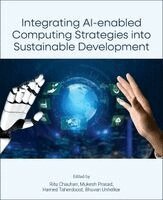
Häftad, Engelska, 2026
Integrating AI-enabled Computing Strategies into Sustainable Development
Av Ritu Chauhan, Mukesh Prasad, Hamed Taherdoost, Bhuvan Unhelkar
2278 kr
Kommande
Beskrivning
Integrating AI-enabled Computing Strategies into Sustainable Development reveals how artificial intelligence is reshaping the future of sustainable development, bringing together multidisciplinary insights from AI, environmental science, and social policy, demonstrating how machine learning, predictive analytics, and natural language processing can optimize resource allocation, boost efficiency, and enable adaptive solutions for today’s most pressing global challenges. Inside, discover pioneering applications of AI across ten vital areas, including predictive maintenance for real-time environmental monitoring, AI-optimized energy allocation, smart grids for sustainable communities, precision agriculture, and more.
Additional chapters delve into resilient urban planning, long-term climate resilience strategies, circular economy optimization, equitable policy design through NLP, risk assessment in supply chains, and navigating the ethical complexities of AI systems. This is a must-read for researchers, policymakers, engineers, sustainability professionals, environmental scientists, technology strategists, and students seeking actionable guidance and case studies for deploying AI-driven solutions responsibly and effectively in their fields.
Additional chapters delve into resilient urban planning, long-term climate resilience strategies, circular economy optimization, equitable policy design through NLP, risk assessment in supply chains, and navigating the ethical complexities of AI systems. This is a must-read for researchers, policymakers, engineers, sustainability professionals, environmental scientists, technology strategists, and students seeking actionable guidance and case studies for deploying AI-driven solutions responsibly and effectively in their fields.
- Integrates insights from various disciplines, including AI, to develop comprehensive and contextually relevant solutions
- Includes issues related to fairness, transparency, accountability, and privacy, ensuring that AI technologies are deployed responsibly
- Illustrates how AI is being applied to address specific sustainability challenges across different sectors and regions through case studies and examples
- Considers policy implications of integrating AI into sustainable development strategies, including regulatory frameworks, governance mechanisms, and international cooperation
Produktinformation
- Utgivningsdatum: 2026-10-30
- Mått: 191 x 235 x undefined mm
- Format: Häftad
- Språk: Engelska
- Antal sidor: 340
- Förlag: Elsevier Science
- ISBN: 9780443492242
Utforska kategorier
Betyg & recensioner
0 recensioner
Inga recensioner tillgängliga.