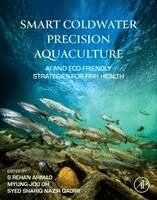
Häftad, Engelska, 2027
Smart Coldwater Precision Aquaculture
Av S. Rehan Ahmad, Myung-Joo Oh, Syed Shariq Nazir Qadiri
2017 kr
Kommande
Beskrivning
Smart Coldwater Precision Aquaculture: AI and Eco-Friendly Strategies for Fish Health addresses the growing need for innovative solutions in coldwater aquaculture. As demand increases for species like salmon and trout, challenges such as disease management, environmental sustainability, and climate impacts require advanced, precision-based approaches. This book fills a critical gap by combining artificial intelligence with eco-friendly practices tailored specifically for coldwater environments. The contents cover foundational concepts of precision aquaculture and AI integration, followed by detailed chapters on machine learning applications, big data analytics, IoT sensors, and green nanotechnology. Sustainable strategies including probiotics, phytochemicals, and integrated multi-trophic aquaculture are explored. The volume also examines translational applications such as climate resilience, blockchain for data security, and policy frameworks. The comprehensive table of contents reflects a multidisciplinary approach involving global experts. Smart Precision Aquaculture benefits researchers, fish health specialists, technology developers, and managers by providing actionable guidance on AI-powered fish health management and sustainable farming. It equips professionals with cutting-edge knowledge to enhance productivity while minimizing environmental impacts. This reference supports the advancement of coldwater aquaculture toward a resilient and responsible future.
- Presents AI-powered disease detection and fish health management techniques
- Demonstrates sustainable and eco-friendly aquaculture practices for coldwater species
- Explains advanced technologies for coldwater fish harvesting and culture
- Integrates big data analytics and IoT for smart aquaculture systems
- Discusses policy, ethics, and climate resilience in aquaculture
Produktinformation
- Utgivningsdatum: 2027-01-01
- Mått: 216 x 276 x undefined mm
- Vikt: 450 g
- Format: Häftad
- Språk: Engelska
- Antal sidor: 228
- Förlag: Elsevier Science
- ISBN: 9780443493638
Utforska kategorier
Betyg & recensioner
0 recensioner
Inga recensioner tillgängliga.