S. Rehan Ahmad – författare
Visar alla böcker från författaren . Handla med fri frakt och snabb leverans.
5 produkter
5 produkter
Häftad, Engelska, 2026
1 778 kr
Skickas inom 10-15 vardagar
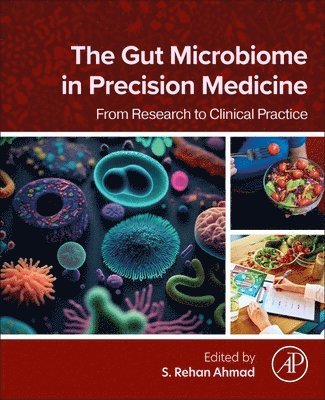
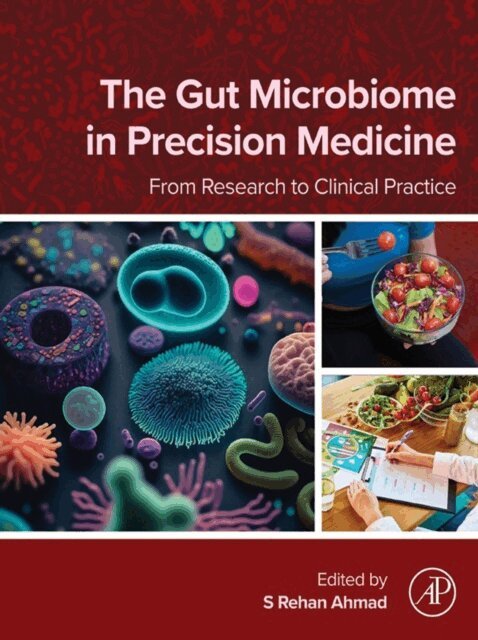
The Gut Microbiome in Precision Medicine: From Research to Clinical Practice explores the significant role of the gut microbiome in health and disease, particularly within gastrointestinal conditions such as inflammatory bowel disease, irritable bowel syndrome, and colorectal cancer. It covers how understanding and analyzing the gut microbiome can lead to personalized treatments, dietary plans, and precision medicine approaches in gastroenterology. Chapters explore multi-omics integration, examining complex techniques for gut microbiome profiling, including genomics, transcriptomics, proteomics, and metabolomics. Users will find updates on microbiome-based interventions, such as probiotics, prebiotics, and personalized nutrition that highlight practical applications in gastrointestinal disease management. Real-world examples and case studies discuss strategies for overcoming barriers to implementing microbiome analysis. Additionally, it addresses the challenges and opportunities of implementing microbiome analysis in clinical practice, with a special emphasis on its implications for developing countries. Finally, the book covers emerging technologies in microbiome research and their applications in gastroenterology, emphasizing future directions and research priorities.Helps readers gain a comprehensive understanding of the latest gut microbiome research and its impact on precision medicine, covering foundational concepts, advanced methodologies, and cutting-edge technologiesProvides practical insights for healthcare professionals on integrating personalized gut microbiome profiling into clinical practice to design targeted treatment plans and dietary interventions for improved patient outcomesAllows researchers to explore new research directions and methodologies, including multi-omics approaches, microbiome engineering, and microbiome-driven drug discovery
E-bok
Engelska, 20262 184 kr
Läs direkt efter köp
The Gut Microbiome in Precision Medicine: From Research to Clinical Practice explores the significant role of the gut microbiome in health and disease, particularly within gastrointestinal conditions such as inflammatory bowel disease, irritable bowel syndrome, and colorectal cancer. It covers how understanding and analyzing the gut microbiome can lead to personalized treatments, dietary plans, and precision medicine approaches in gastroenterology. Chapters explore multi-omics integration, examining complex techniques for gut microbiome profiling, including genomics, transcriptomics, proteomics, and metabolomics. Users will find updates on microbiome-based interventions, such as probiotics, prebiotics, and personalized nutrition that highlight practical applications in gastrointestinal disease management. Real-world examples and case studies discuss strategies for overcoming barriers to implementing microbiome analysis. Additionally, it addresses the challenges and opportunities of implementing microbiome analysis in clinical practice, with a special emphasis on its implications for developing countries. Finally, the book covers emerging technologies in microbiome research and their applications in gastroenterology, emphasizing future directions and research priorities. - Helps readers gain a comprehensive understanding of the latest gut microbiome research and its impact on precision medicine, covering foundational concepts, advanced methodologies, and cutting-edge technologies- Provides practical insights for healthcare professionals on integrating personalized gut microbiome profiling into clinical practice to design targeted treatment plans and dietary interventions for improved patient outcomes- Allows researchers to explore new research directions and methodologies, including multi-omics approaches, microbiome engineering, and microbiome-driven drug discovery
Häftad, Engelska, 2027
2 000 kr
Kommande
Nutritional Epigenetics: Food-Derived microRNAs in Health and Disease offers perspective on the role of dietary microRNAs as pivotal epigenetic regulators influencing health trajectories and disease susceptibility. The book brings together current research on the bioavailability and molecular mechanisms by which plant and food-derived microRNAs modulate gene expression, including their crosstalk with DNA methylation, histone modifications, and gut microbiota. Detailed food-specific chapters examine the epigenetic impact of key dietary sources such as Brassicaceae (crucifers), rice, milk, and fermented products, highlighting their transgenerational and life-stage effects. Practical insights into food processing, culinary traditions, and the design of microRNA-fortified products bridge the gap between bench science and real-world applications. Nutritional Epigenetics equips researchers, clinicians, and industry innovators with a resource that advances the understanding of microRNA-mediated nutritional epigenomics, while guiding the development and safety assessment of microRNA-enhanced functional foods. By integrating molecular biology with population-level evidence and translational strategies, this text fosters the development of novel dietary interventions aimed at optimizing health across the lifespan and mitigating chronic disease risk.Examines the molecular mechanisms by which dietary microRNAs modulate epigenetic regulationAnalyzes the bioavailability and gene-targeting specificity of plant-derived microRNAsEvaluates transgenerational and life-stage impacts of food-derived microRNAs on health outcomesInterprets current epidemiological evidence and regulatory policies relevant to microRNA-enhanced functional foodsDevelops strategies for designing and implementing microRNA-fortified foods in clinical and commercial contexts
Häftad, Engelska, 2026
1 826 kr
Kommande
Next-Generation Food Preservation: Microbial, Nano, and AI Technologies is an essential resource for food scientists, microbiologists, and technologists seeking innovative solutions to extend the shelf life of food sustainably. As global food security becomes increasingly critical, traditional preservation methods often fall short in efficiency, safety, and environmental impact.This book explores how cutting-edge approaches-leveraging beneficial microbes, green nanomaterials, and intelligent AI-driven analytics-are revolutionizing food chemistry and preservation practices. It provides a comprehensive understanding of the convergence of microbiology, nanotechnology, and artificial intelligence, offering practical insights into their application for safer, longer-lasting food products. The book is organized into five parts, covering foundational concepts, advanced modeling and optimization techniques, encapsulation and smart packaging innovations, industry case studies, and ethical and regulatory considerations. Topics include microbial synergisms, nanomaterial applications, AI-enabled fermentation control, predictive risk assessment, and sector-specific successes in nano-coatings and intelligent packaging. It also discusses societal, ethical, and legal implications, highlighting future directions for sustainable food preservation.Next-Generation Food Preservation serves as a vital guide for researchers, industry professionals, and policymakers committed to adopting innovative, eco-friendly strategies that ensure food safety, reduce waste, and support global food security through technological advancement.Highlights innovative microbial, nanotech, and AI methods for extending food shelf life sustainablyProvides practical insights into nanomaterials, smart packaging, and predictive modeling for food preservationExamines ethical, regulatory, and societal considerations of advanced preservation technologiesFeatures industry case studies demonstrating successful applications in real-world food systemsSupports researchers and industry professionals in adopting eco-friendly, cutting-edge preservation solutions
Häftad, Engelska, 2026
2 052 kr
Kommande
Nanomedicine for Neurological Disorders: Design, Delivery, and Clinical Perspectives addresses the urgent need for innovative solutions in treating complex neurological and neurodegenerative diseases. As the global burden of conditions such as Alzheimer's, Parkinson's, multiple sclerosis, and brain tumors continues to rise, the scientific community faces the critical challenge of safely and effectively delivering therapeutics across the blood-brain barrier. This reference meets the needs of neuroscientists, clinicians, pharmaceutical scientists, and biomedical engineers seeking advanced strategies and translational insights in neuro-nanomedicine. The contents are structured to provide a comprehensive, interdisciplinary exploration of the field. Chapters cover the anatomy and connectivity of the human brain, the global burden and mechanisms of neurological disorders, conventional and nanomedicine-based drug delivery systems, and the intricacies of the blood-brain barrier. Readers will benefit from detailed analyses of nanocarrier engineering, stability, analytical techniques, toxicological safety, regulatory challenges, and artificial intelligence-driven drug design. Real-world case studies, clinical trial data, and future outlooks are presented alongside ethical and patient-centric considerations, ensuring a holistic perspective on the evolving landscape of neuro-nanomedicine. Nanomedicine for Neurological Disorders delivers essential benefits by bridging the gap between laboratory innovation and clinical practice. It equips readers with practical knowledge, foundational advances, and visionary insights to inspire new research directions, inform better decision-making, and accelerate the development of safer, more precise treatments for brain-related disorders. This reference is an indispensable resource for researchers, clinicians, and innovators at the forefront of neurological therapeutics.Identifies clinical applications of nanotechnologies for neurological disordersExplains strategies to cross the blood-brain barrier using nanocarriersPresents real-world case studies and future directions in neuro-nanomedicineClarifies analytical and regulatory frameworks for neuro-nanomedicine translationIntegrates ethical considerations and patient-centric approaches in therapeutic design