• Fri frakt över 249 kr
  • •
  • Snabba leveranser
  • •
  • Billiga böcker
Kundservice

Du är på sajten för privatpersoner.

Företag, bibliotek eller offentlig verksamhet?

Du handlar på classic.bokus.com, där alla dina funktioner finns intakta.
Till classic.bokus.com
Bokus logotyp. Gå till startsidan.
  • Erbjudanden
  • Nyheter
  • Student
  • Topplistor
  • Barn & ungdom
  • Bokus Play
  • E-böcker
  • Pocketböcker
  • Spel & pussel

Må bättre, för mindre! Upp till 50% rabatt på hälsoböcker

Sidfot

Mina sidor

    Hjälp

    • Kundservice
    • Vanliga frågor och svar
    • Frakt och leverans
    • Retur vid ångerrätt
    • Reklamera vara
    • Betalning
    • Köpvillkor
    • Allmänna villkor
    • Information om webbplatsens tillgänglighet

    Om Bokus

    • Om oss
    • Pressrum
    • För studenter
    • För företag
    • För bibliotek och offentlig verksamhet
    • För leverantörer
    • Hållbarhet

    Populärt

    • Aktuella erbjudanden
    • Presentkort
    • Studentlitteratur
    • Nya böcker
    • Topplistor
    • Signerade böcker
    • Engelska böcker

    Inspiration

    • Boktips
    • BookTok
    • Populära bokserier
    • Barnbokskaraktärer
    • Populära författare
    Logotyp för Bokus
    Följ oss på Facebook (extern länk)Följ oss på Instagram (extern länk)Följ oss på YouTube (extern länk)Följ oss på TikTok (extern länk)
    bokus @ CookiesAnpassa cookiesIntegritetspolicyKöpvillkor
    Till Citymail hemsida (extern länk)Till Budbee hemsida (extern länk)Till Postnord hemsida (extern länk)Till Schenker hemsida (extern länk)Till Early Bird hemsida (extern länk)Till Walleys hemsida (extern länk)
    1. Psykologi och pedagogik
    2. Pedagogik
    3. Pedagogisk metodik

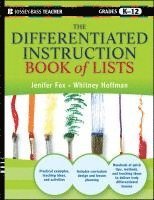
    Differentiated Instruction Book of Lists

    AvJenifer Fox,Whitney Hoffman

    Häftad, Engelska, 2011

    Del 6 i serien J-B Ed: Reach and Teach

    237 kr

    Beställningsvara. Skickas inom 5-8 vardagar. Fri frakt över 249 kr.

    Beskrivning

    Hundreds of useful ideas for meeting the needs of each child The Differentiated Instruction Book of Lists is the definitive reference for DI for teachers in grades K-12. Ready for immediate use, it offers over 150 up-to-date lists for developing instructional materials, lesson planning, and assessment. Organized into 12 convenient sections, the book is full of practical examples, teaching ideas, and activities that can be used or adapted to meet students' diverse needs. Coverage includes curriculum design, lesson planning, instructional strategies, assessment, classroom management, strategies by subject area (from Language Arts to Math to Physical Education), new media, etc. Offers an easy-to-use guide that gives quick tips and methods to plan effectively for delivering truly differentiated lessonsFilled with helpful DI lists, lesson plans, strategies, assessments, and moreJennifer Fox is the author of the bestselling book Your Child's StrengthsThe Differentiated Instruction Book of Lists is a hands-on guide for meeting the instructional needs of all students so that they can reach their full potential.

    Produktinformation

    • Utgivningsdatum:2011-09-27
    • Mått:216 x 276 x 17 mm
    • Vikt:663 g
    • Format:Häftad
    • Språk:Engelska
    • Serie:J-B Ed: Reach and Teach
    • Antal sidor:288
    • Förlag:John Wiley & Sons Inc
    • ISBN:9780470952399

    Utforska kategorier

    • Pedagogisk metodik inom Psykologi och pedagogik

    Mer om författaren

    The Authors JENIFER FOX, MEd, has worked for more than twenty-five years as a public and private school teacher and administrator. She is a school consultant and creator of Strong Planet, a media-driven interactive curriculum to help all kinds of learners discover their strengths. Fox authored the best-selling book Your Child's Strengths and is an acclaimed international speaker. WHITNEY HOFFMAN is CEO and director of Hoffman Digital Media and creator of the successful LD Podcast (www.ldpodcast.com), where she has interviewed many of the leading voices in the special education field. Hoffman speaks regularly before education and business audiences on the use of social media platforms to create communities of learning.

    Innehållsförteckning

    • The Authors vAcknowledgments viiPreface xvIntroduction 1Section 1 Understanding Differentiated Instruction 5List 1.1. A Vision for the Differentiated Instruction Classroom 6List 1.2. One-Size-Fits-All Teaching Versus Differentiated Teaching 7List 1.3. Small Things That Make a Big Difference 8List 1.4. Common Misconceptions 10List 1.5. Differentiate the Materials 12List 1.6. Differentiate the Task 14List 1.7. Differentiate the Homework 15List 1.8. Differentiate Checking for Understanding 16List 1.9. Differentiate the Outcome 17List 1.10. Are You Ready for Differentiated Instruction? A Few More Examples of What is Expected 18List 1.11. Definitions of Concepts Commonly Associated with Differentiated Instruction 20Section 2 Teaching with the Individual in Mind 25List 2.1. Building Relationships 26List 2.2. Strategies to Determine Individual Strengths 28List 2.3. Interest Inventories 30List 2.4. Planning with Learning Styles in Mind 32List 2.5. Multiple Intelligences and Differentiated Instruction 34List 2.6. Tips for Raising Students’ Comfort Level 35List 2.7. Tips to Help Struggling Students 37List 2.8. Tips for Motivating All Students 39List 2.9. Class Discussion Strategies 41Section 3 Planning the Differentiated Curriculum 43List 3.1. Where to Begin and What to Do 44List 3.2. Tips for Keeping Records for Differentiated Lesson Plans 46List 3.3. How to Create Differentiated Lesson Plans with Bloom’s Taxonomy 48List 3.4. Differentiated Assessments 50List 3.5. Curriculum Compacting: Why and How 53List 3.6. What are Authentic Choices? How to Plan with Them 55List 3.7. General Planning Tips for the Differentiated Classroom 58Section 4 Most Commonly Used Differentiated Instruction Techniques and How to Use Them 61List 4.1. Tiered Lessons 63List 4.2. Scaffolding Tools 66List 4.3. Project-Based Learning 69List 4.4. Learning Contracts 73List 4.5. Graphic Organizers 77List 4.6. Flexible Grouping 83List 4.7. Learning Stations 86List 4.8. Rubrics 88Section 5 Differentiated Classroom Management 91List 5.1. Arranging the Classroom for Optimal Differentiated Instruction Management 93List 5.2. Strategies for Differentiated Classroom Management 95List 5.3. Why Students Misbehave 97List 5.4. Discipline Strategies 100List 5.5. Strength-Based Discipline: An Individualized Approach 102List 5.6. Examples of Strength-Based Versus Deficit-Based Labels 104List 5.7. Classroom Management and Parental Communication Tips 105Section 6 Roles and Responsibilities 109List 6.1. Classroom Teacher 110List 6.2. Students 111List 6.3. Administrators 114List 6.4. Parents 117List 6.5. Support Staff 119Section 7 Using Differentiated Instruction Techniques at Different Grade Levels 121List 7.1. Kindergarten 123List 7.2. Grades 1–5 125List 7.3. Middle School 128List 7.4. High School 130Section 8 Strategies for Differentiating Language Arts 133List 8.1. What Exemplary Reading Teachers Do to Differentiate Reading Instruction 135List 8.2. Strategies to Improve Reading 136List 8.3. Tips for Differentiating Small-Group Reading Instruction 138List 8.4. Assigned Reading: Dealing with Low Interest 139List 8.5. Differentiated Writing Assignments and Strategies 141List 8.6. Examples of Exciting Differentiated Language Arts Assignments 144List 8.7. Tips for Differentiating Instruction for English Language Learners 145List 8.8. Tips for Differentiating Writing Assignments 146Section 9 Strategies for Differentiating Math 149List 9.1. Using Reading and Writing to Differentiate Math Instruction 150List 9.2. Five Specific Ways to Integrate Writing in the Math Curriculum 152List 9.3. Group Work as a Way to Differentiate the Math Class 155List 9.4. Ways to Integrate Group Work in the Math Curriculum 156List 9.5. Math Manipulatives 158List 9.6. Project-Based Learning Ideas and the Math Class 161List 9.7. Beyond Traditional Quizzes and Tests: Differentiated Assessments in Math 164List 9.8. Math Anxiety and Differentiated Instruction 168Section 10 Strategies for Differentiating Science 171List 10.1. General Differentiated Strategies for Science 172List 10.2. Inquiry-Based Instruction and Science 174List 10.3. Multimedia Projects, Science, and Differentiated Instruction 176List 10.4. Practical Advice for the Laboratory 177List 10.5. Technology, Differentiated Instruction, and Science Class 179Section 11 Strategies for Differentiating Social Studies 181List 11.1. Gallery Walks 182List 11.2. Time Lines 185List 11.3. Political Cartoons 186List 11.4. Authentic Civic Projects 187List 11.5. Multimedia Presentations 190List 11.6. Research Methods 193List 11.7. Class Discussion 195Section 12 Strategies for Differentiating the Arts 199List 12.1. Group Work in the Arts 200List 12.2. Ways to Help All Students Feel Successful in Art 203List 12.3. Technology, Differentiated Instruction, and Visual Arts 205List 12.4. Technology, Differentiated Instruction, and Performing Arts 207Section 13 Strategies for Physical Education and Health 209List 13.1. Tips on Using Differentiated Instruction in Physical Education 210List 13.2. Strategies for Differentiating Skill Training 212List 13.3. How to Encourage Everyone’s Participation 214List 13.4. Ideas for Coaches 217List 13.5. Physical Education and the Unhealthy Student 219Section 14 New Media Strategies that Naturally Differentiate Instruction 221List 14.1. How Online Tools Can Help Organize and Differentiate Instruction 223List 14.2. Ways to Use Facebook in the Classroom 224List 14.3. Ways to Use Twitter in the Classroom 226List 14.4. Using Ning in the Classroom 228List 14.5. Blogging in the Classroom 230List 14.6. Wikis in the Classroom 234List 14.7. Cultivating a Positive Digital Footprint 237List 14.8. Administrative Considerations When Using New Media in the Classroom 239List 14.9. New Media Uses That are Not OK 241Section 15 Special Considerations 243List 15.1. Differentiated Instruction and the Gifted Student 244List 15.2. Differentiated Instruction and the Advanced Placement Curriculum 246List 15.3. Differentiated Instruction and the At-Risk Student 247List 15.4. Differentiated Instruction and Diversity Inclusion 248References 249Index 257