• Fri frakt över 249 kr
  • •
  • Snabba leveranser
  • •
  • Billiga böcker
Kundservice

Du är på sajten för privatpersoner.

Företag, bibliotek eller offentlig verksamhet?

Du handlar på classic.bokus.com, där alla dina funktioner finns intakta.
Till classic.bokus.com
Bokus logotyp. Gå till startsidan.
  • Erbjudanden
  • Nyheter
  • Student
  • Topplistor
  • Barn & ungdom
  • Bokus Play
  • E-böcker
  • Pocketböcker
  • Spel & pussel

10% rabatt på allt med kod NYSTART10 →

Sidfot

Mina sidor

    Hjälp

    • Kundservice
    • Vanliga frågor och svar
    • Frakt och leverans
    • Retur vid ångerrätt
    • Reklamera vara
    • Betalning
    • Köpvillkor
    • Allmänna villkor
    • Information om webbplatsens tillgänglighet

    Om Bokus

    • Om oss
    • Pressrum
    • För studenter
    • För företag
    • För bibliotek och offentlig verksamhet
    • För leverantörer
    • Hållbarhet

    Populärt

    • Aktuella erbjudanden
    • Presentkort
    • Studentlitteratur
    • Nya böcker
    • Topplistor
    • Signerade böcker
    • Engelska böcker

    Inspiration

    • Boktips
    • BookTok
    • Populära bokserier
    • Barnbokskaraktärer
    • Populära författare
    Logotyp för Bokus
    Följ oss på Facebook (extern länk)Följ oss på Instagram (extern länk)Följ oss på YouTube (extern länk)Följ oss på TikTok (extern länk)
    bokus @ CookiesAnpassa cookiesIntegritetspolicyKöpvillkor
    Till Citymail hemsida (extern länk)Till Budbee hemsida (extern länk)Till Postnord hemsida (extern länk)Till Schenker hemsida (extern länk)Till Early Bird hemsida (extern länk)Till Walleys hemsida (extern länk)
    1. Historia och arkeologi
    2. Historia
    3. Allmän historia och världshistoria

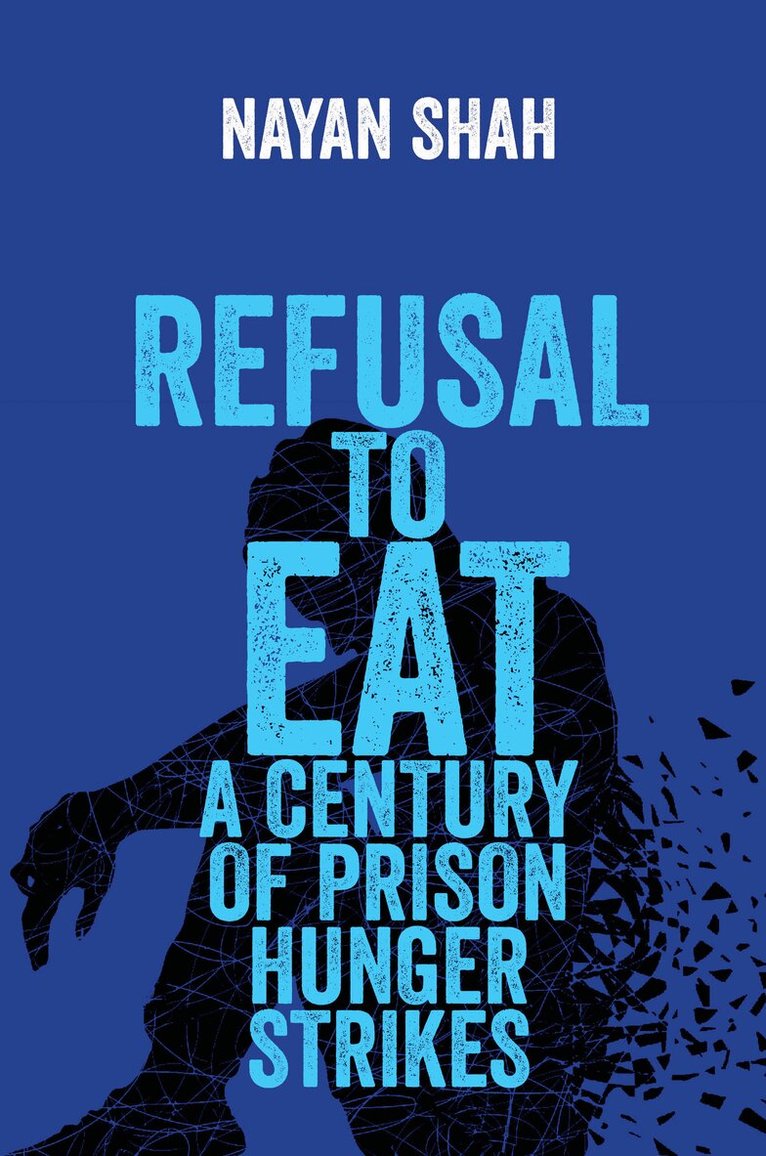
    Refusal to Eat

    A Century of Prison Hunger Strikes

    AvNayan Shah

    Inbunden, Engelska, 2022

    258 kr

    Beställningsvara. Skickas inom 5-8 vardagar. Fri frakt över 249 kr.

    Beskrivning

    The first global history of hunger strikes as a tactic in prisons, conflicts, and protest movements.  The power of the hunger strike lies in its utter simplicity. The ability to choose to forego eating is universally accessible, even to those living under conditions of maximal constraint, as in the prisons of apartheid South Africa, Israeli prisons for Palestinian prisoners, and the detention camp at Guantánamo Bay. It is a weapon of the weak, potentially open to all. By choosing to hunger strike, a prisoner wields a last-resort personal power that communicates viscerally, in a way that is undeniable—especially when broadcast over prison barricades through media and to movements outside. Refusal to Eat is the first book to compile a global history of this vital form of modern protest, the hunger strike.  In this enormously ambitious but concise book, Nayan Shah observes how hunger striking stretches and recasts to turn a personal agony into a collective social agony in conflicts and contexts all around the world, laying out a remarkable number of case studies over the last century and more. From suffragettes in Britain and the US in the early twentieth century to Irish political prisoners, Bengali prisoners, and detainees at post-9/11 Guantánamo Bay; from Japanese Americans in US internment camps to conscientious objectors in the 1960s; from South Africans fighting apartheid to asylum seekers in Australia and Papua New Guinea, Shah shows the importance of context for each case and the interventions the protesters faced. The power that hunger striking unleashes is volatile, unmooring all previous resolves, certainties, and structures and forcing supporters and opponents alike to respond in new ways. It can upend prison regimens, medical ethics, power hierarchies, governments, and assumptions about gender, race, and the body's endurance. This book takes hunger strikers seriously as decision-makers in desperate situations, often bound to disagree or fail, and captures the continued frustration of authorities when confronted by prisoners willing to die for their positions. Above all, Refusal to Eat revolves around a core of moral, practical, and political questions that hunger strikers raise, investigating what it takes to resist and oppose state power.

    Produktinformation

    • Utgivningsdatum:2022-01-04
    • Mått:152 x 229 x 36 mm
    • Vikt:680 g
    • Format:Inbunden
    • Språk:Engelska
    • Antal sidor:384
    • Förlag:University of California Press
    • ISBN:9780520302693

    Utforska kategorier

    • Allmän historia och världshistoria inom Historia och arkeologi
    • Brottslighet och kriminologi inom Samhälle och politik
    • Politiskt förtryck inom Samhälle och politik

    Mer om författaren

    Nayan Shah is Professor of American Studies and Ethnicity and History at the University of Southern California and author of Contagious Divides and Stranger Intimacy.

    Recensioner i media

    "Shah recognises that the hunger strike is a nonviolent performance that reconnects the prisoner to her community and to the world of journalism and public debate. But it is also a weapon that can transform the vulnerable and disempowered body of the captive into a remarkably effective instrument in a war for legitimacy. . . . Reaching beyond the prison wall, the voice of the hunger striker implicates us all in its challenge to decide what world we seek to inhabit."

    Innehållsförteckning

    • List of Illustrations viiPrefaceAcknowledgmentsIntroductionPart One: Hunger Striking in the Crisis of Imperial Democracy1 • Suffragists and the Shaping of Hunger Striking2 • The Medical Ethics of Forcible Feeding and a Brief History of Four Objects3 • Irish Republicans Innovating Hunger Strikes for Anticolonial Rebellion4 • Gandhi's Fasts, Prisoner Hunger Strikes, and Indian IndependencePart Two: Hunger Striking and Democratic Upheavals5 • Solidarity and Survival in the Tule Lake Stockade 6 • South African Anti-apartheid Hunger Strikes7 • Controversies of Medical Intervention in Northern Ireland8 • Biomedical Technologies, Medical Ethics, and the Management of Hunger Strikers9 • Australian Refugee Detention, Trauma, and Mental Health Crisis10 • Captives in U.S. Detention and Their Networks of Resistance and SolidarityConclusion: Hunger-Striking ContingenciesNotesSelected BibliographyIndex