• Fri frakt över 249 kr
  • •
  • Snabba leveranser
  • •
  • Billiga böcker
Kundservice

Du är på sajten för privatpersoner.

Företag, bibliotek eller offentlig verksamhet?

Du handlar på classic.bokus.com, där alla dina funktioner finns intakta.
Till classic.bokus.com
Bokus logotyp. Gå till startsidan.
  • Erbjudanden
  • Nyheter
  • Student
  • Topplistor
  • Barn & ungdom
  • Bokus Play
  • E-böcker
  • Pocketböcker
  • Spel & pussel

10% rabatt på allt med kod NYSTART10 →

Sidfot

Mina sidor

    Hjälp

    • Kundservice
    • Vanliga frågor och svar
    • Frakt och leverans
    • Retur vid ångerrätt
    • Reklamera vara
    • Betalning
    • Köpvillkor
    • Allmänna villkor
    • Information om webbplatsens tillgänglighet

    Om Bokus

    • Om oss
    • Pressrum
    • För studenter
    • För företag
    • För bibliotek och offentlig verksamhet
    • För leverantörer
    • Hållbarhet

    Populärt

    • Aktuella erbjudanden
    • Presentkort
    • Studentlitteratur
    • Nya böcker
    • Topplistor
    • Signerade böcker
    • Engelska böcker

    Inspiration

    • Boktips
    • BookTok
    • Populära bokserier
    • Barnbokskaraktärer
    • Populära författare
    Logotyp för Bokus
    Följ oss på Facebook (extern länk)Följ oss på Instagram (extern länk)Följ oss på YouTube (extern länk)Följ oss på TikTok (extern länk)
    bokus @ CookiesAnpassa cookiesIntegritetspolicyKöpvillkor
    Till Citymail hemsida (extern länk)Till Budbee hemsida (extern länk)Till Postnord hemsida (extern länk)Till Schenker hemsida (extern länk)Till Early Bird hemsida (extern länk)Till Walleys hemsida (extern länk)
    1. Naturvetenskap och teknik
    2. Geovetenskap
    3. Miljövetenskap och miljöpolitik

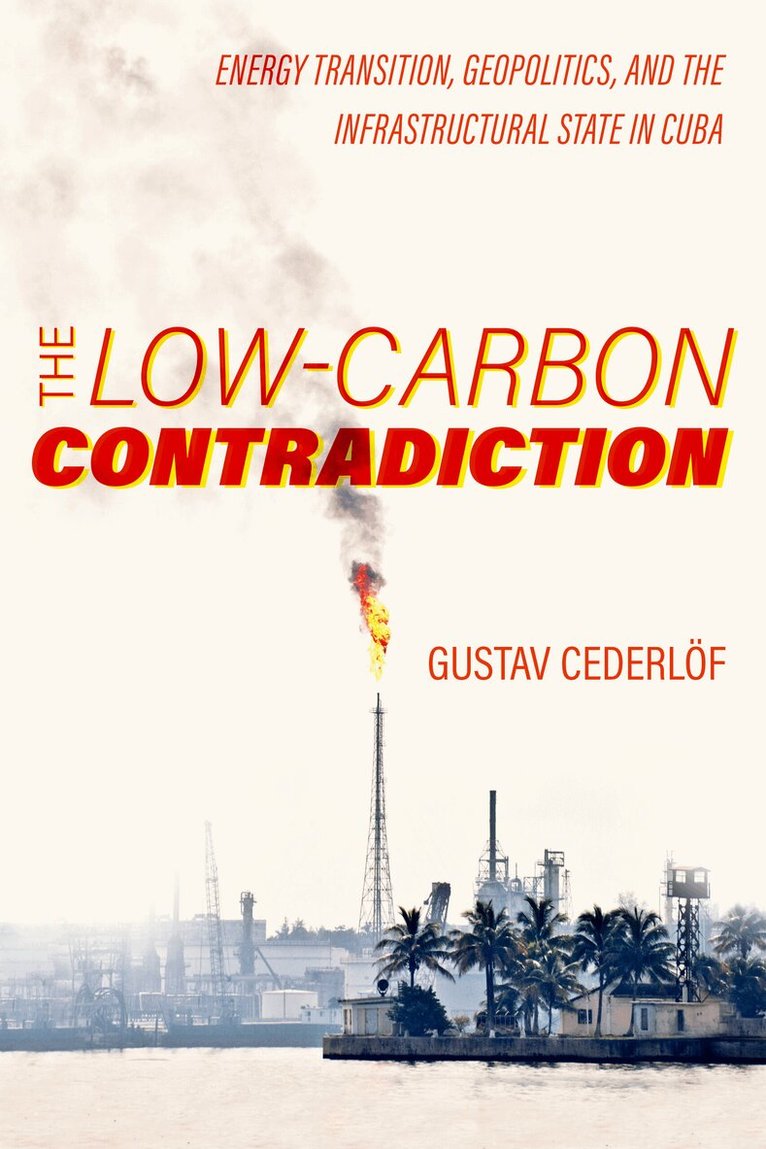
    Low-Carbon Contradiction

    Energy Transition, Geopolitics, and the Infrastructural State in Cuba

    AvGustav Cederlof

    Häftad, Engelska, 2023

    Del 13 i serien Critical Environments: Nature, Science, and Politics

    251 kr

    Beställningsvara. Skickas inom 5-8 vardagar. Fri frakt över 249 kr.

    Fler format och utgåvor

    Inbunden

    781 kr

    Beskrivning

    In the pursuit of socialism, Cuba became Latin America’s most oil-dependent economy. When the Soviet Union collapsed, the country lost 86 percent of its crude oil supplies, resulting in a severe energy crisis. In the face of this shock, Cuba started to develop a low-carbon economy based on economic and social reform rather than high-tech innovation. The Low-Carbon Contradiction examines this period of rapid low-carbon energy transition, which many have described as a “Cuban miracle” or even a real-life case of successful “degrowth.” Working with original research from inside households, workplaces, universities, and government offices, Gustav Cederlöf retells the history of the Cuban Revolution as one of profound environmental and infrastructural change. In doing so, he opens up new questions about energy transitions, their politics, and the conditions of a socially just low-carbon future. The Cuban experience shows how a society can transform itself while rapidly cutting carbon emissions in the search for sustainability.

    Produktinformation

    • Utgivningsdatum:2023-08-29
    • Mått:147 x 226 x 18 mm
    • Vikt:359 g
    • Format:Häftad
    • Språk:Engelska
    • Serie:Critical Environments: Nature, Science, and Politics
    • Antal sidor:260
    • Förlag:University of California Press
    • ISBN:9780520393134

    Utforska kategorier

    • Miljövetenskap och miljöpolitik inom Naturvetenskap och teknik
    • Internationella relationer inom Samhälle och politik

    Mer om författaren

    Gustav Cederlöf is Associate Senior Lecturer in Human Ecology at the University of Gothenburg, Sweden.

    Recensioner i media

    "Gustav Cederlöf’s book poses challenging questions about energy transition and energy justice from an often-overlooked Caribbean and socialist vantage point."

    Innehållsförteckning

    • ContentsList of Illustrations and Table Preface Acronyms Introduction 1. Against the Energy Empire 2. Electrification or Death 3. Blackout 4. Socialist Redistribution and Autonomous Infrastructure 5. The Energy Revolution Conclusion: Energy Transitions and Infrastructural Form Notes Bibliography Index