E-bok, Engelska, 2026
Peripheral Citizenship
394 kr
Läs direkt i Bokus Reader – eller ladda ned till din enhet
Beskrivning
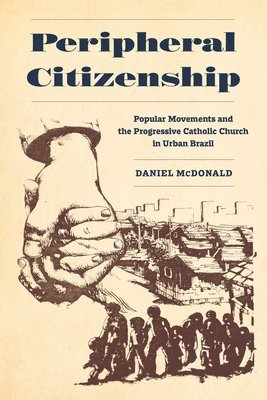
How is citizenship constructed from the margins? Peripheral Citizenship examines this question by placing the urban outskirts of South America's most populous city, Sao Paulo, amid processes that transformed twentieth-century Latin America: rural-urban migration and rapid urbanization, the advent of liberation theology, and the rise and fall of military dictatorships. Drawing on oral histories and grassroots archives, Daniel McDonald traces the emergence of a remarkable bottom-up rights campaign through the lives of rural migrants, progressive clergy, and allied activists in Sao Paulo during Brazil's military dictatorship (1964-1985) and the subsequent democratic transition. He unveils how popular movements, aligned with the progressive Catholic Church and leftist political parties, forged a vision of citizenship that combined rights grounded in everyday life with innovative forms of participatory democracy. In the process, they reshaped the city, the Church, and the nation from the periphery.
Produktinformation
- Utgivningsdatum: 2026-08-11
- Språk: Engelska
- Filformat: EPUB
- Kopieringsskydd: LCP
- ISBN: 9780520394599
- Förlag: University of California Press
Utforska kategorier
Betyg & recensioner
0 recensioner
Inga recensioner tillgängliga.