• Fri frakt över 249 kr
  • •
  • Snabba leveranser
  • •
  • Billiga böcker
Kundservice

Du är på sajten för privatpersoner.

Företag, bibliotek eller offentlig verksamhet?

Du handlar på classic.bokus.com, där alla dina funktioner finns intakta.
Till classic.bokus.com
Bokus logotyp. Gå till startsidan.
  • Erbjudanden
  • Nyheter
  • Student
  • Topplistor
  • Barn & ungdom
  • Bokus Play
  • E-böcker
  • Pocketböcker
  • Spel & pussel

10% rabatt på allt med kod: NYSTART10 →

Sidfot

Mina sidor

    Hjälp

    • Kundservice
    • Vanliga frågor och svar
    • Frakt och leverans
    • Retur vid ångerrätt
    • Reklamera vara
    • Betalning
    • Köpvillkor
    • Allmänna villkor
    • Information om webbplatsens tillgänglighet

    Om Bokus

    • Om oss
    • Pressrum
    • För studenter
    • För företag
    • För bibliotek och offentlig verksamhet
    • För leverantörer
    • Hållbarhet

    Populärt

    • Aktuella erbjudanden
    • Presentkort
    • Studentlitteratur
    • Nya böcker
    • Topplistor
    • Signerade böcker
    • Engelska böcker

    Inspiration

    • Boktips
    • BookTok
    • Populära bokserier
    • Barnbokskaraktärer
    • Populära författare
    Logotyp för Bokus
    Följ oss på Facebook (extern länk)Följ oss på Instagram (extern länk)Följ oss på YouTube (extern länk)Följ oss på TikTok (extern länk)
    bokus @ CookiesAnpassa cookiesIntegritetspolicyKöpvillkor
    Till Citymail hemsida (extern länk)Till Budbee hemsida (extern länk)Till Postnord hemsida (extern länk)Till Schenker hemsida (extern länk)Till Early Bird hemsida (extern länk)Till Walleys hemsida (extern länk)
    1. Skönlitteratur
    2. Litteraturvetenskap
    3. Litteraturteori

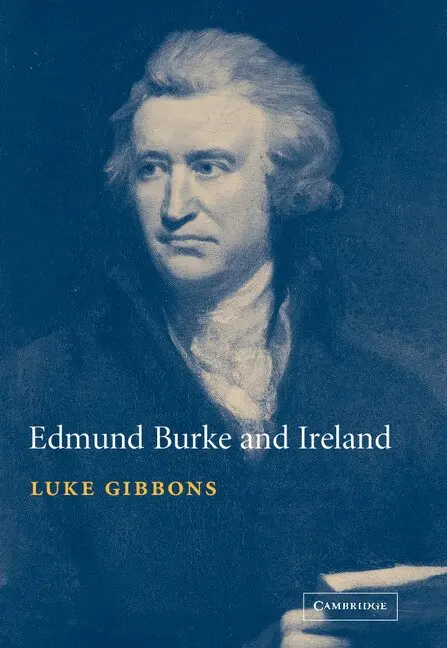
    Edmund Burke and Ireland

    Aesthetics, Politics and the Colonial Sublime

    AvLuke Gibbons

    Häftad, Engelska, 2009

    671 kr

    Beställningsvara. Skickas inom 10-15 vardagar. Fri frakt över 249 kr.

    Fler format och utgåvor

    Inbunden

    1 535 kr

    Beskrivning

    This pioneering study of Burke's engagement with Irish politics and culture argues that Burke's influential early writings on aesthetics are intimately connected to his lifelong political concerns. The concept of the sublime, which lay at the heart of his aesthetics, addressed itself primarily to the experience of terror, and it is this spectre that haunts Burke's political imagination throughout his career. Luke Gibbons argues that this found expression in his preoccupation with political terror, whether in colonial Ireland and India, or revolutionary America and France. Burke's preoccupation with violence, sympathy and pain allowed him to explore the dark side of the Enlightenment, but from a position no less committed to the plight of the oppressed, and to political emancipation. This major reassessment of a key political and cultural figure will appeal to Irish studies and Post-Colonial specialists, political theorists and Romanticists.

    Produktinformation

    • Utgivningsdatum:2009-02-05
    • Mått:152 x 229 x 18 mm
    • Vikt:470 g
    • Format:Häftad
    • Språk:Engelska
    • Antal sidor:320
    • Förlag:Cambridge University Press
    • ISBN:9780521100946

    Utforska kategorier

    • Litteraturteori inom Skönlitteratur

    Mer om författaren

    Luke Gibbons is Professor of English, and Film, Theatre and Television at the University of Notre Dame, Indiana. He has written extensively on Irish literature, the visual arts and popular culture. He is the author of Transformations in Irish Culture (1996) and The Quiet Man (2002), and co-author of Cinema and Ireland (1988).

    Recensioner i media

    Review of the hardback: '… dazzling investigation of the Irish roots of Burke's thought which ranged from ideas of terror and the sublime to the wounded body and the Great Famine. An intellectual feast.' Terry Eagleton, Irish Times

    Innehållsförteckning

    • Introduction: Edmund Burke and the colonial sublime; Part I. The Politics of Pain: 1. 'This King of Terrors'; Edmund Burke and the aesthetics of executions; 2. Philoctetes and colonial Ireland: the wounded body as national narrative; Part II. Sympathy and the Sublime; 3. The sympathetic sublime: Edmund Burke, Adam Smith and the politics of pain; 4. Did Edmund Burke cause the great Famine? Political economy and colonialism; Part III. Colonialism and Enlightenment: 5. 'Tranquillity tinged with terror': the sublime and agrarian insurgency; 6. Burke and colonialism: the enlightenment and cultural diversity; Part IV. Progress and Primitivism: 7. 'Subtilised into savages': Burke, progress and primitivism; 8. 'The return of the native': The United Irishmen, culture and colonialism.