• Fri frakt över 249 kr
  • •
  • Snabba leveranser
  • •
  • Billiga böcker
Kundservice

Du är på sajten för privatpersoner.

Företag, bibliotek eller offentlig verksamhet?

Du handlar på classic.bokus.com, där alla dina funktioner finns intakta.
Till classic.bokus.com
Bokus logotyp. Gå till startsidan.
  • Erbjudanden
  • Nyheter
  • Student
  • Topplistor
  • Barn & ungdom
  • Bokus Play
  • E-böcker
  • Pocketböcker
  • Spel & pussel

10% rabatt på allt med kod: NYSTART10 →

Sidfot

Mina sidor

    Hjälp

    • Kundservice
    • Vanliga frågor och svar
    • Frakt och leverans
    • Retur vid ångerrätt
    • Reklamera vara
    • Betalning
    • Köpvillkor
    • Allmänna villkor
    • Information om webbplatsens tillgänglighet

    Om Bokus

    • Om oss
    • Pressrum
    • För studenter
    • För företag
    • För bibliotek och offentlig verksamhet
    • För leverantörer
    • Hållbarhet

    Populärt

    • Aktuella erbjudanden
    • Presentkort
    • Studentlitteratur
    • Nya böcker
    • Topplistor
    • Signerade böcker
    • Engelska böcker

    Inspiration

    • Boktips
    • BookTok
    • Populära bokserier
    • Barnbokskaraktärer
    • Populära författare
    Logotyp för Bokus
    Följ oss på Facebook (extern länk)Följ oss på Instagram (extern länk)Följ oss på YouTube (extern länk)Följ oss på TikTok (extern länk)
    bokus @ CookiesAnpassa cookiesIntegritetspolicyKöpvillkor
    Till Citymail hemsida (extern länk)Till Budbee hemsida (extern länk)Till Postnord hemsida (extern länk)Till Schenker hemsida (extern länk)Till Early Bird hemsida (extern länk)Till Walleys hemsida (extern länk)
    1. Historia och arkeologi
    2. Arkeologi

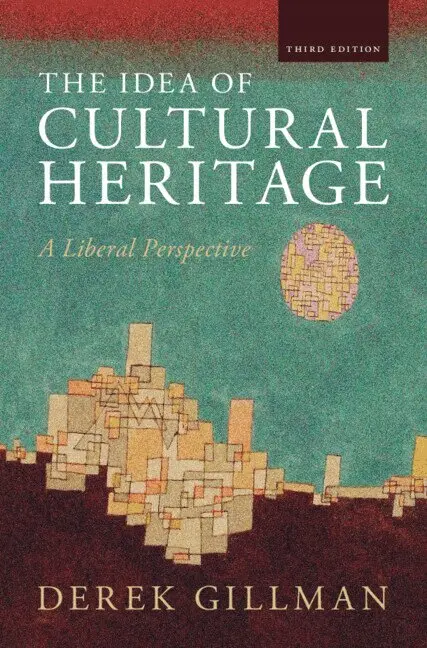
    The Idea of Cultural Heritage

    AvDerek Gillman

    Inbunden, Engelska, 2010

    1 098 kr

    Beställningsvara. Skickas inom 10-15 vardagar. Fri frakt över 249 kr.

    Fler format och utgåvor

    Häftad

    337 kr

    Häftad

    337 kr

    Inbunden

    1 112 kr

    Beskrivning

    The idea of cultural heritage has become widespread in many countries, justifying government regulation and providing the background to disputes over valuable works of art and architecture. In this book, Derek Gillman uses several well-known cases from Asia, Europe, and the United States to review the competing claims that works of art belong either to a particular people and place, or, from a cosmopolitan perspective, to all of humankind. He looks at the ways in which the idea of heritage has been constructed. He focuses first on Britain and the writings of Edmund Burke and then on China and its medieval debate about the nature of 'our culture'. Drawing on a range of sources, including the work of Ronald Dworkin, Will Kymlicka, and Joseph Raz, Gillman relates debates about heritage to those in contemporary political philosophy and offers a liberal approach to moral claims and government regulation.

    Produktinformation

    • Utgivningsdatum:2010-04-12
    • Mått:152 x 229 x 14 mm
    • Vikt:460 g
    • Format:Inbunden
    • Språk:Engelska
    • Antal sidor:218
    • Upplaga:2
    • Förlag:Cambridge University Press
    • ISBN:9780521192552

    Utforska kategorier

    • Arkeologi inom Historia och arkeologi

    Mer om författaren

    Derek Gillman is Executive Director and President of the Barnes Foundation. A former President of the Pennsylvania Academy of the Fine Arts, Deputy Director of the National Gallery of Victoria, Melbourne, and Keeper of the Sainsbury Centre for Visual Arts at the University of East Anglia, he is a member of the Association of Art Museum Directors and is currently President of the International Cultural Property Society.

    Recensioner i media

    "This book is of value for Canadian archaeologists working both at home and abroad for a number of reasons." --Jeffrey Seibert, Journal Canadien D'Archeologie 36

    Innehållsförteckning

    • Introduction; Part I. Claims about Heritage: 1. Heritage and national treasures; 2. 'Two ways of thinking'; Part II. Narrative and Custom: 3. Constructing British heritage; 4. This culture of ours; Part III. Regulation and Rights: 5. Regulation and private rights; 6. Liberalism and valuable practices.