• Fri frakt över 249 kr
  • •
  • Snabba leveranser
  • •
  • Billiga böcker
Kundservice

Du är på sajten för privatpersoner.

Företag, bibliotek eller offentlig verksamhet?

Du handlar på classic.bokus.com, där alla dina funktioner finns intakta.
Till classic.bokus.com
Bokus logotyp. Gå till startsidan.
  • Erbjudanden
  • Nyheter
  • Student
  • Topplistor
  • Barn & ungdom
  • Bokus Play
  • E-böcker
  • Pocketböcker
  • Spel & pussel

10% studentrabatt med kod TERM26

Sidfot

Mina sidor

    Hjälp

    • Kundservice
    • Vanliga frågor och svar
    • Frakt och leverans
    • Retur vid ångerrätt
    • Reklamera vara
    • Betalning
    • Köpvillkor
    • Allmänna villkor
    • Information om webbplatsens tillgänglighet

    Om Bokus

    • Om oss
    • Pressrum
    • För studenter
    • För företag
    • För bibliotek och offentlig verksamhet
    • För leverantörer
    • Hållbarhet

    Populärt

    • Aktuella erbjudanden
    • Presentkort
    • Studentlitteratur
    • Nya böcker
    • Topplistor
    • Signerade böcker
    • Engelska böcker

    Inspiration

    • Boktips
    • BookTok
    • Populära bokserier
    • Barnbokskaraktärer
    • Populära författare
    Logotyp för Bokus
    Följ oss på Facebook (extern länk)Följ oss på Instagram (extern länk)Följ oss på YouTube (extern länk)Följ oss på TikTok (extern länk)
    bokus @ CookiesAnpassa cookiesIntegritetspolicyKöpvillkor
    Till Citymail hemsida (extern länk)Till Budbee hemsida (extern länk)Till Postnord hemsida (extern länk)Till Schenker hemsida (extern länk)Till Early Bird hemsida (extern länk)Till Walleys hemsida (extern länk)
    1. Historia och arkeologi
    2. Historia
    3. Europas historia

    The Politics of Fertility in Twentieth-Century Berlin

    AvAnnette F. Timm

    Inbunden, Engelska, 2010

    1 582 kr

    Beställningsvara. Skickas inom 10-15 vardagar. Fri frakt över 249 kr.

    Beskrivning

    What impact does a falling birth rate have on the strength and vitality of a nation? Are citizens duty-bound to think about this question when they make reproductive and sexual choices? Few countries have grappled with these questions so intensely and with such dramatic consequences as Germany. Annette Timm tracks how fears of a declining population influenced reproductive and sexual health policy in Germany from the end of World War I through the period of German division in the Cold War. A case study set in Berlin, the book examines local measures to control venereal diseases and influence reproductive choices in marriage counseling clinics. It investigates how policies meant to encourage higher birth rates created feelings of belonging even as they infringed upon personal autonomy. The idea that sexual duty should be central to conceptions of citizenship only died with the changing circumstances of the late Cold War.

    Produktinformation

    • Utgivningsdatum:2010-08-30
    • Mått:165 x 242 x 25 mm
    • Vikt:680 g
    • Format:Inbunden
    • Språk:Engelska
    • Antal sidor:374
    • Förlag:Cambridge University Press
    • ISBN:9780521195393

    Utforska kategorier

    • Europas historia inom Historia och arkeologi

    Mer om författaren

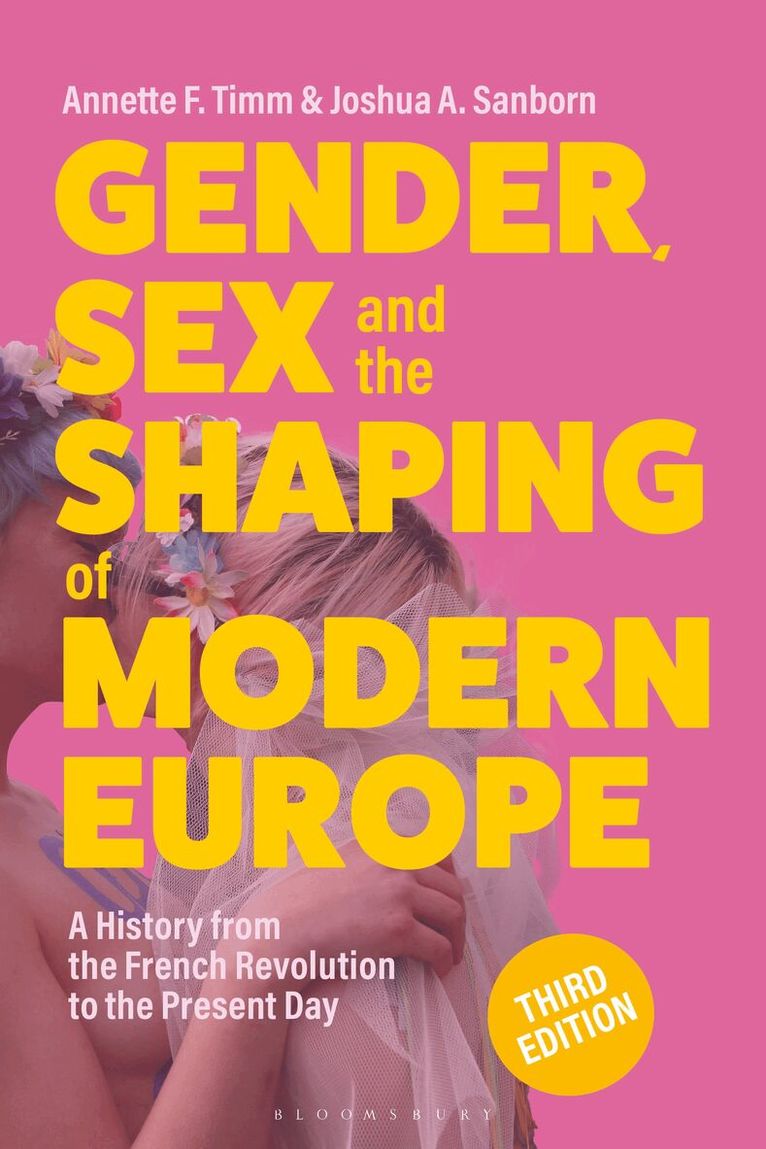
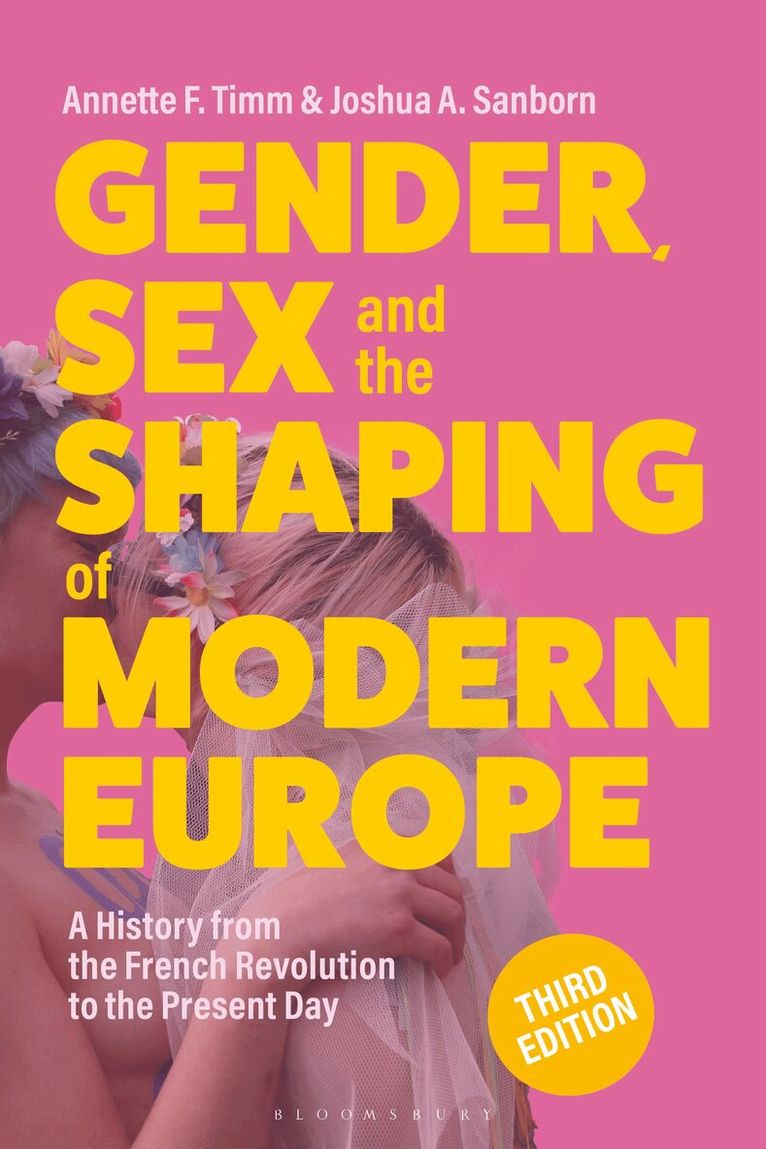
    Annette F. Timm is Associate Professor of History at the University of Calgary. Her work has appeared in multiple journals and books, including the Canadian Journal of History and the Journal of the History of Sexuality. She is the co-author, with Joshua A. Sanborn, of Gender, Sex and the Shaping of Modern Europe: A History from the French Revolution to the Present Day.

    Recensioner i media

    'Timm presents a nuanced and convincing argument on the basis of extensive research, yielding new and important insights. The scope and focus of this book should certainly generate fruitful discussion.' Edward Dickinson, University of California, Davis

    Innehållsförteckning

    • Introduction: birth rates, ideology, and sexual duties; 1. Venereal disease and the crisis of sexuality in the Weimar Republic; 2. Marriage counseling in the Weimar Republic; 3. Nazi Bevölkerungspolitik, health, and the family; 4. Venereal disease control in the Nazi era; 5. Controlling venereal disease in four-power Berlin; 6. Counseling couples in the post-war rubble; 7. Guarding the health of workers and families in the German Democratic Republic; 8. Sexual duties in Cold-War West Germany; Conclusion: the end of sexual duty and the future of Bevölkerungspolitik.