• Fri frakt över 249 kr
  • •
  • Snabba leveranser
  • •
  • Billiga böcker
Kundservice

Du är på sajten för privatpersoner.

Företag, bibliotek eller offentlig verksamhet?

Du handlar på classic.bokus.com, där alla dina funktioner finns intakta.
Till classic.bokus.com
Bokus logotyp. Gå till startsidan.
  • Erbjudanden
  • Nyheter
  • Student
  • Topplistor
  • Barn & ungdom
  • Bokus Play
  • E-böcker
  • Pocketböcker
  • Spel & pussel

10% rabatt på allt med kod: NYSTART10 →

Sidfot

Mina sidor

    Hjälp

    • Kundservice
    • Vanliga frågor och svar
    • Frakt och leverans
    • Retur vid ångerrätt
    • Reklamera vara
    • Betalning
    • Köpvillkor
    • Allmänna villkor
    • Information om webbplatsens tillgänglighet

    Om Bokus

    • Om oss
    • Pressrum
    • För studenter
    • För företag
    • För bibliotek och offentlig verksamhet
    • För leverantörer
    • Hållbarhet

    Populärt

    • Aktuella erbjudanden
    • Presentkort
    • Studentlitteratur
    • Nya böcker
    • Topplistor
    • Signerade böcker
    • Engelska böcker

    Inspiration

    • Boktips
    • BookTok
    • Populära bokserier
    • Barnbokskaraktärer
    • Populära författare
    Logotyp för Bokus
    Följ oss på Facebook (extern länk)Följ oss på Instagram (extern länk)Följ oss på YouTube (extern länk)Följ oss på TikTok (extern länk)
    bokus @ CookiesAnpassa cookiesIntegritetspolicyKöpvillkor
    Till Citymail hemsida (extern länk)Till Budbee hemsida (extern länk)Till Postnord hemsida (extern länk)Till Schenker hemsida (extern länk)Till Early Bird hemsida (extern länk)Till Walleys hemsida (extern länk)
    1. Skönlitteratur
    2. Litteraturvetenskap
    3. Litteraturvetenskap

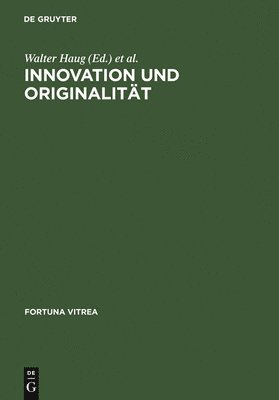
    Vernacular Literary Theory in the Middle Ages

    The German Tradition, 800-1300, in its European Context

    AvWalter Haug

    Inbunden, Engelska, 1997

    Del 29 i serien Cambridge Studies in Medieval Literature

    2 029 kr

    Beställningsvara. Skickas inom 10-15 vardagar. Fri frakt över 249 kr.

    Fler format och utgåvor

    Häftad

    720 kr

    Beskrivning

    The first edition of this book appeared in German in 1985, and set an agenda for the study of medieval literary theory. Rather than seeing vernacular writers' reflections on their art, as found in prologues, epilogues and interpolations in literary texts, as merely deriving from established Latin traditions, Walter Haug shows that they marked the gradual emancipation of an independent vernacular poetics that went hand in hand with changing narrative forms. While focusing primarily on medieval German writers, Haug also takes into account French literature of the same period, and the principles underlying his argument are equally relevant to medieval literature in English or any other European language.

    Produktinformation

    • Utgivningsdatum:1997-03-06
    • Mått:159 x 236 x 31 mm
    • Vikt:755 g
    • Format:Inbunden
    • Språk:Engelska
    • Serie:Cambridge Studies in Medieval Literature
    • Antal sidor:444
    • Förlag:Cambridge University Press
    • ISBN:9780521341974
    • Översättare:Joanna M. Catling

    Utforska kategorier

    • Litteraturvetenskap inom Skönlitteratur

    Recensioner i media

    '… an intelligent, sparkling book.' Neue Zürcher Zeitung

    Innehållsförteckning

    • Translator's preface; Preface to the English edition; Introductory remarks; 1. The background: Christian aesthetics versus classical rhetoric; 2. The problem of the vernacular: Otfrid von Weissenburg and the beginnings of literary theory in Old High German; 3. Literature, allegory and salvation: theoretical positions in Early Middle High German; 4. Religious adaptation of secular forms: the Rolandslied, Brautwerbungsepen ('bridal quests'), the Alexander romance; 5. Chrétien de Troyes' prologue to Erec et Enide and the Arthurian structural model; 6. Divine inspiration and the changing role of the poet in Chrétien's Lancelot and Cligés; 7. Hartmann von Aue's fictional programme: the prologue to Iwein; 8. Hagiographical legend or romance? - Hartmann's prologue to Gregorius; 9. Wolfram von Eschenbach's literary theory: the prologue to Parzival, the metaphor of the bow, and the 'self-defence'; 10. Wolfram's Willehalm: a return to historical romance?; 11. Ethics and aesthetics: Gottfried von Strassburg's literary theory; 12. The truth of fiction: Thomasin von Zerklære and integumentum theory; 13. The Lucidarius A-prologue in the context of contemporary literary theory, and the origins of the prose romance; 14. Magic, morals and manipulation: the emergence of the post-classical Arthurian romance; 15. Rudolf von Ems' Der guote Gêrhart: a programmatic rejection of the correlation between merit and reward; 16. Chance, fortune and virtue: Rudolf von Ems' Alexander; 17. Wolfram's prologue to Willehalm: a model for later hagiographical romances; 18. The new genre of love-romance: suffering as a way to fulfilment. From Rudolf von Ems' Willehalm von Orlens to Ulrich von Etzenbach's Willehalm von Wenden; 19. Konrad von Würzburg: spellbinding artistry and individual moral action; 20. Albrecht's Der jüngere Titurel: magic and moral code in the inscription on the hound's leash; Concluding remarks; Bibliography; Index.