• Fri frakt över 249 kr
  • •
  • Snabba leveranser
  • •
  • Billiga böcker
Kundservice

Du är på sajten för privatpersoner.

Företag, bibliotek eller offentlig verksamhet?

Du handlar på classic.bokus.com, där alla dina funktioner finns intakta.
Till classic.bokus.com
Bokus logotyp. Gå till startsidan.
  • Erbjudanden
  • Nyheter
  • Student
  • Topplistor
  • Barn & ungdom
  • Bokus Play
  • E-böcker
  • Pocketböcker
  • Spel & pussel

10% rabatt på allt med kod NYSTART10 →

Sidfot

Mina sidor

    Hjälp

    • Kundservice
    • Vanliga frågor och svar
    • Frakt och leverans
    • Retur vid ångerrätt
    • Reklamera vara
    • Betalning
    • Köpvillkor
    • Allmänna villkor
    • Information om webbplatsens tillgänglighet

    Om Bokus

    • Om oss
    • Pressrum
    • För studenter
    • För företag
    • För bibliotek och offentlig verksamhet
    • För leverantörer
    • Hållbarhet

    Populärt

    • Aktuella erbjudanden
    • Presentkort
    • Studentlitteratur
    • Nya böcker
    • Topplistor
    • Signerade böcker
    • Engelska böcker

    Inspiration

    • Boktips
    • BookTok
    • Populära bokserier
    • Barnbokskaraktärer
    • Populära författare
    Logotyp för Bokus
    Följ oss på Facebook (extern länk)Följ oss på Instagram (extern länk)Följ oss på YouTube (extern länk)Följ oss på TikTok (extern länk)
    bokus @ CookiesAnpassa cookiesIntegritetspolicyKöpvillkor
    Till Citymail hemsida (extern länk)Till Budbee hemsida (extern länk)Till Postnord hemsida (extern länk)Till Schenker hemsida (extern länk)Till Early Bird hemsida (extern länk)Till Walleys hemsida (extern länk)
    1. Filosofi och religion
    2. Filosofi
    3. Filosofiska discipliner

    Heidegger and Unconcealment

    Truth, Language, and History

    AvMark A. Wrathall

    Häftad, Engelska, 2010

    341 kr

    Beställningsvara. Skickas inom 10-15 vardagar. Fri frakt över 249 kr.

    Fler format och utgåvor

    Inbunden

    1 120 kr

    Beskrivning

    This book includes ten essays that trace the notion of unconcealment as it develops from Heidegger's early writings to his later work, shaping his philosophy of truth, language and history. 'Unconcealment' is the idea that what entities are depends on the conditions that allow them to manifest themselves. This concept, central to Heidegger's work, also applies to worlds in a dual sense: first, a condition of entities manifesting themselves is the existence of a world; and second, worlds themselves are disclosed. The unconcealment or disclosure of a world is the most important historical event, and Heidegger believes there have been a number of quite distinct worlds that have emerged and disappeared in history. Heidegger's thought as a whole can profitably be seen as working out the implications of the original understanding of unconcealment.

    Produktinformation

    • Utgivningsdatum:2010-11-01
    • Mått:152 x 229 x 15 mm
    • Vikt:360 g
    • Format:Häftad
    • Språk:Engelska
    • Antal sidor:264
    • Förlag:Cambridge University Press
    • ISBN:9780521739122

    Utforska kategorier

    • Filosofiska discipliner inom Filosofi och religion

    Mer om författaren

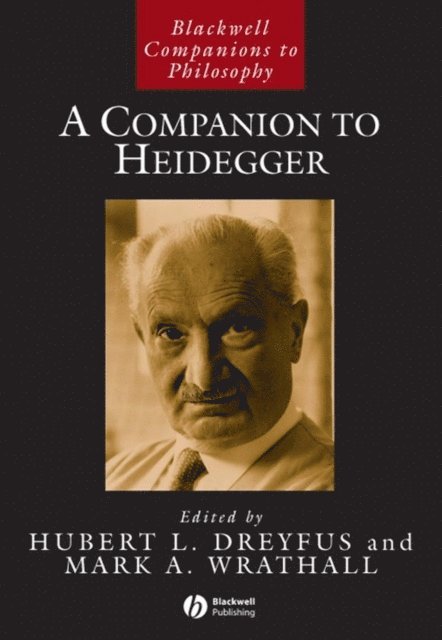
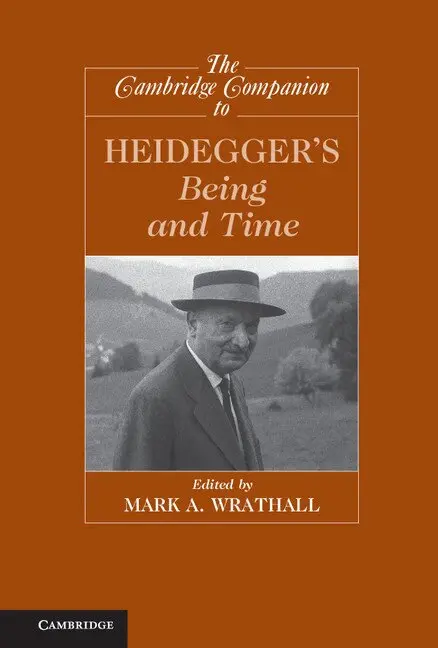
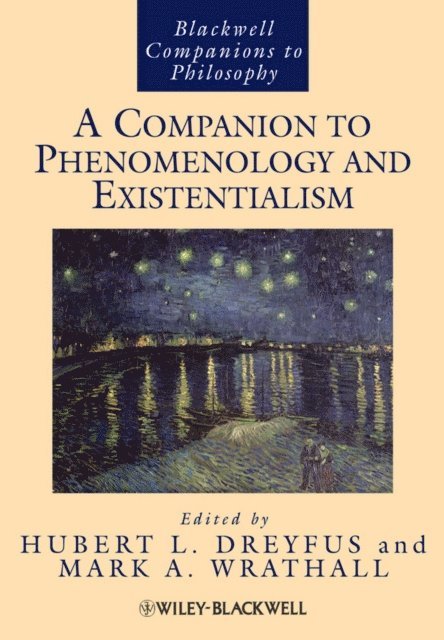
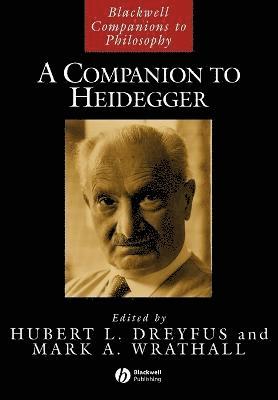
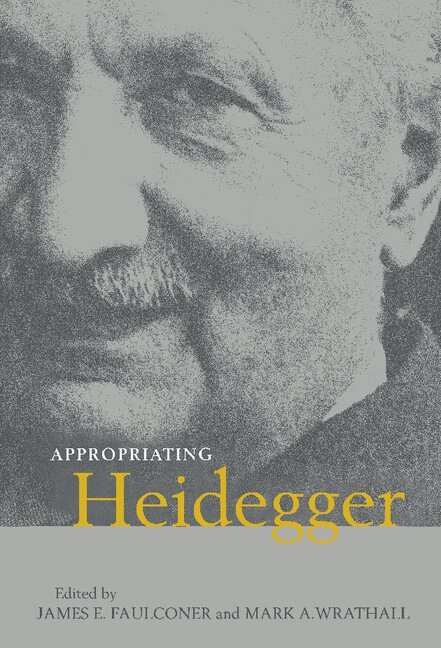
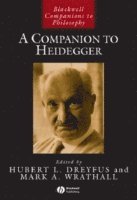
    Mark A. Wrathall received his Ph.D. in philosophy from the University of California, Berkeley and is currently Professor of Philosophy at the University of California, Riverside. He is the author of How to Read Heidegger (2005) and the editor of numerous collections, including A Companion to Heidegger (2005), Religion after Metaphysics (2003) and A Companion to Phenomenology and Existentialism (2006).

    Recensioner i media

    'No one today writes about Heidegger - especially the later Heidegger - with greater clarity and depth than Mark Wrathall. In this superb collection of essays he has set the philosophical standard for anyone wishing to confront and take seriously Heidegger's accounts of truth, language, and history.' Taylor Carman, Barnard College

    Innehållsförteckning

    • Part I. Truth and Disclosure: 1. Unconcealment; 2. The conditions of truth in Heidegger and Davidson; 3. On the 'existential positivity of our ability to be deceived'; 4. Heidegger on Plato, truth, and unconcealment: the 1931–2 lecture on The Essence of Truth; Part II. Language: 5. Social constraints on conversational content: Heidegger on Rede and Gerede; 6. Conversation, language, saying and showing; 7. The revealed word and world disclosure: Heidegger and Pascal on the phenomenology of religious faith; Part III. Historical Worlds: 8. Philosophers, thinkers, and Heidegger's place in the history of being; 9. Between the earth and the sky: Heidegger on life after the death of God; 10. Nietzsche and the metaphysics of truth.