• Fri frakt över 249 kr
  • •
  • Snabba leveranser
  • •
  • Billiga böcker
Kundservice

Du är på sajten för privatpersoner.

Företag, bibliotek eller offentlig verksamhet?

Du handlar på classic.bokus.com, där alla dina funktioner finns intakta.
Till classic.bokus.com
Bokus logotyp. Gå till startsidan.
  • Erbjudanden
  • Nyheter
  • Student
  • Topplistor
  • Barn & ungdom
  • Bokus Play
  • E-böcker
  • Pocketböcker
  • Spel & pussel

10% rabatt på allt med kod: NYSTART10 →

Sidfot

Mina sidor

    Hjälp

    • Kundservice
    • Vanliga frågor och svar
    • Frakt och leverans
    • Retur vid ångerrätt
    • Reklamera vara
    • Betalning
    • Köpvillkor
    • Allmänna villkor
    • Information om webbplatsens tillgänglighet

    Om Bokus

    • Om oss
    • Pressrum
    • För studenter
    • För företag
    • För bibliotek och offentlig verksamhet
    • För leverantörer
    • Hållbarhet

    Populärt

    • Aktuella erbjudanden
    • Presentkort
    • Studentlitteratur
    • Nya böcker
    • Topplistor
    • Signerade böcker
    • Engelska böcker

    Inspiration

    • Boktips
    • BookTok
    • Populära bokserier
    • Barnbokskaraktärer
    • Populära författare
    Logotyp för Bokus
    Följ oss på Facebook (extern länk)Följ oss på Instagram (extern länk)Följ oss på YouTube (extern länk)Följ oss på TikTok (extern länk)
    bokus @ CookiesAnpassa cookiesIntegritetspolicyKöpvillkor
    Till Citymail hemsida (extern länk)Till Budbee hemsida (extern länk)Till Postnord hemsida (extern länk)Till Schenker hemsida (extern länk)Till Early Bird hemsida (extern länk)Till Walleys hemsida (extern länk)
    1. Psykologi och pedagogik
    2. Psykologi
    3. Biologisk psykologi och neuropsykologi

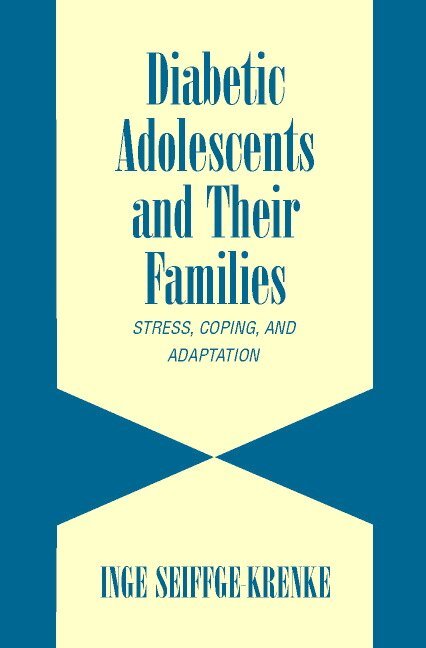
    Diabetic Adolescents and their Families

    Stress, Coping, and Adaptation

    AvInge Seiffge-Krenke

    Inbunden, Engelska, 2001

    Del i serien Cambridge Studies on Child and Adolescent Health

    1 375 kr

    Beställningsvara. Skickas inom 10-15 vardagar. Fri frakt över 249 kr.

    Fler format och utgåvor

    Häftad

    580 kr

    Beskrivning

    Diabetic Adolescents and their Families presents an innovative approach to the study of coping with chronic illness by focusing on the developmental context in its description of a longitudinal study of families with a diabetic or a healthy adolescent. Inge Seiffge-Krenke considers perspectives of the ill adolescents, their parents, and the physicians treating them. Highlighted topics include typical stressors, individual and family coping strategies, and psychosocial consequences associated with diabetes. The author also examines the changes that occur in adolescents' self-concept and body image and analyses their relationships with parents, physicians, friends, and romantic partners as sources of support and of stress. Numerous case studies illustrate the difficulty of balancing normative development and adherence to the therapeutic regimen. Integrating clinical concerns with fundamental findings of developmental psychology, this book will be of value to anyone with an interest in the study of adolescent health psychology.

    Produktinformation

    • Utgivningsdatum:2001-08-27
    • Mått:152 x 229 x 24 mm
    • Vikt:610 g
    • Format:Inbunden
    • Språk:Engelska
    • Serie:Cambridge Studies on Child and Adolescent Health
    • Antal sidor:348
    • Förlag:Cambridge University Press
    • ISBN:9780521792004

    Utforska kategorier

    • Biologisk psykologi och neuropsykologi inom Psykologi och pedagogik

    Innehållsförteckning

    • Preface; Foreword Stuart T. Hauser; 1. Epidemiology of chronic illnesses in adolescence; 2. Coping with illness in adolescence: an overview of research from the past 25 years; 3. Coping with diabetes: a longitudinal study; 4. Knowledge of the illness, compliance, and patient-physician relationships; 5. Self-concept, body image, and perceived health; 6. Adolescent, parental, and family coping with stressors; 7. Chronic illness and the family: the perspective of mothers, fathers, and siblings; 8. Friendships, romantic relationships, school, and career; 9. Successful adaptation or the development of psychopathology?; 10. Pathways for resolving the dilemma between developmental progression and adaptation to the illness; 11. Some implications for prevention and intervention.