• Fri frakt över 249 kr
  • •
  • Snabba leveranser
  • •
  • Billiga böcker
Kundservice

Du är på sajten för privatpersoner.

Företag, bibliotek eller offentlig verksamhet?

Du handlar på classic.bokus.com, där alla dina funktioner finns intakta.
Till classic.bokus.com
Bokus logotyp. Gå till startsidan.
  • Erbjudanden
  • Nyheter
  • Student
  • Topplistor
  • Barn & ungdom
  • Bokus Play
  • E-böcker
  • Pocketböcker
  • Spel & pussel

10% rabatt på allt med kod NYSTART10 →

Sidfot

Mina sidor

    Hjälp

    • Kundservice
    • Vanliga frågor och svar
    • Frakt och leverans
    • Retur vid ångerrätt
    • Reklamera vara
    • Betalning
    • Köpvillkor
    • Allmänna villkor
    • Information om webbplatsens tillgänglighet

    Om Bokus

    • Om oss
    • Pressrum
    • För studenter
    • För företag
    • För bibliotek och offentlig verksamhet
    • För leverantörer
    • Hållbarhet

    Populärt

    • Aktuella erbjudanden
    • Presentkort
    • Studentlitteratur
    • Nya böcker
    • Topplistor
    • Signerade böcker
    • Engelska böcker

    Inspiration

    • Boktips
    • BookTok
    • Populära bokserier
    • Barnbokskaraktärer
    • Populära författare
    Logotyp för Bokus
    Följ oss på Facebook (extern länk)Följ oss på Instagram (extern länk)Följ oss på YouTube (extern länk)Följ oss på TikTok (extern länk)
    bokus @ CookiesAnpassa cookiesIntegritetspolicyKöpvillkor
    Till Citymail hemsida (extern länk)Till Budbee hemsida (extern länk)Till Postnord hemsida (extern länk)Till Schenker hemsida (extern länk)Till Early Bird hemsida (extern länk)Till Walleys hemsida (extern länk)
    1. Ekonomi och Ledarskap
    2. Nationalekonomi
    3. Internationell ekonomi

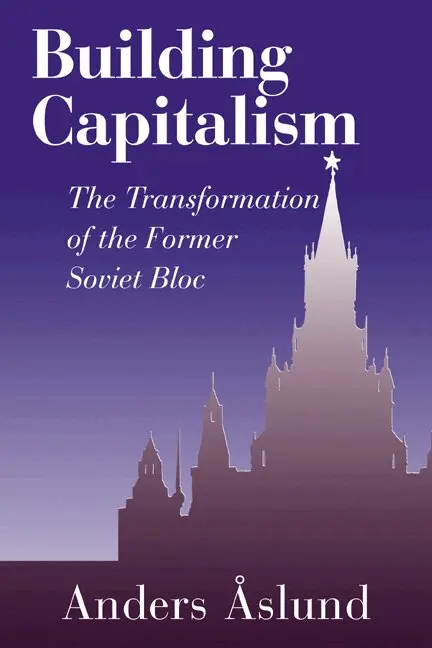
    Building Capitalism

    The Transformation of the Former Soviet Bloc

    AvAnders Aslund

    Häftad, Engelska, 2001

    753 kr

    Beställningsvara. Skickas inom 10-15 vardagar. Fri frakt över 249 kr.

    Fler format och utgåvor

    Inbunden

    1 900 kr

    Beskrivning

    A most comprehensive empirical analysis of the economic transformation of the former Soviet bloc during the first decade after communism. It debunks many myths, seeing transition as a struggle between radical reformers and those thriving on rent seeking. People have gained from fast and comprehensive reforms, but several countries have gotten stuck in corruption. Economic decline and social hazards have been greatly exaggerated, since people have forgotten how awful communism was. Swift liberalization of prices and foreign trade, as well as rapid and profound fiscal adjustment, have been vital for growth, institutional reforms, legality and greater equity. Privatization has been beneficial, and its effects will grow over time. The main problem has been the continuation of unregulated and ubiquitous state apparatuses living on corruption, while no country has suffered from too radical reforms. Where malpractices of the elite can be checked, market reforms and democracy have proceeded together.

    Produktinformation

    • Utgivningsdatum:2001-12-03
    • Mått:152 x 229 x 27 mm
    • Vikt:702 g
    • Format:Häftad
    • Språk:Engelska
    • Antal sidor:532
    • Förlag:Cambridge University Press
    • ISBN:9780521805254

    Utforska kategorier

    • Internationell ekonomi inom Ekonomi och Ledarskap

    Recensioner i media

    'Building Capitalism has all the right ingredients: it is on a critically important issue; it is based on an extraordinarily detailed knowledge of economic and political history, pre- and post- the break-up of the former Soviet Union; and it displays a full acquaintance with the literature, Anders Aslund's naturally exuberant style, and a clear point of view. Whether you agree or disagree with the argument, you should not be indifferent to this book. And by the end, you should fundamentally agree.' Stanley Fischer, International Monetary Fund

    Innehållsförteckning

    • List of tables and charts; Acknowledgements; List of abbreviations; Introduction; 1. What communism actually was; 2. The decline and fall of socialism; 3. Strategic policy choices; 4. Changes in output and their causes; 5. Liberalization; 6. Financial stabilization; 7. Privatization; 8. Social developments and policy; 9. State and politics in the transformation; 10. Role of the outside world; 11. Conclusions; Bibliography; Index.