• Fri frakt över 249 kr
  • •
  • Snabba leveranser
  • •
  • Billiga böcker
Kundservice

Du är på sajten för privatpersoner.

Företag, bibliotek eller offentlig verksamhet?

Du handlar på classic.bokus.com, där alla dina funktioner finns intakta.
Till classic.bokus.com
Bokus logotyp. Gå till startsidan.
  • Erbjudanden
  • Nyheter
  • Student
  • Topplistor
  • Barn & ungdom
  • Bokus Play
  • E-böcker
  • Pocketböcker
  • Spel & pussel

Må bättre, för mindre! Upp till 50% rabatt på hälsoböcker

Sidfot

Mina sidor

    Hjälp

    • Kundservice
    • Vanliga frågor och svar
    • Frakt och leverans
    • Retur vid ångerrätt
    • Reklamera vara
    • Betalning
    • Köpvillkor
    • Allmänna villkor
    • Information om webbplatsens tillgänglighet

    Om Bokus

    • Om oss
    • Pressrum
    • För studenter
    • För företag
    • För bibliotek och offentlig verksamhet
    • För leverantörer
    • Hållbarhet

    Populärt

    • Aktuella erbjudanden
    • Presentkort
    • Studentlitteratur
    • Nya böcker
    • Topplistor
    • Signerade böcker
    • Engelska böcker

    Inspiration

    • Boktips
    • BookTok
    • Populära bokserier
    • Barnbokskaraktärer
    • Populära författare
    Logotyp för Bokus
    Följ oss på Facebook (extern länk)Följ oss på Instagram (extern länk)Följ oss på YouTube (extern länk)Följ oss på TikTok (extern länk)
    bokus @ CookiesAnpassa cookiesIntegritetspolicyKöpvillkor
    Till Citymail hemsida (extern länk)Till Budbee hemsida (extern länk)Till Postnord hemsida (extern länk)Till Schenker hemsida (extern länk)Till Early Bird hemsida (extern länk)Till Walleys hemsida (extern länk)
    1. Skönlitteratur
    2. Litteraturvetenskap
    3. Litteraturvetenskap

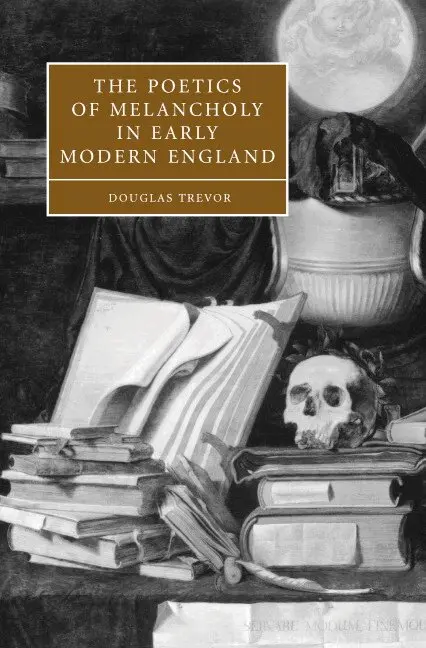
    The Poetics of Melancholy in Early Modern England

    AvDouglas Trevor

    Inbunden, Engelska, 2004

    Del 48 i serien Cambridge Studies in Renaissance Literature and Culture

    1 535 kr

    Beställningsvara. Skickas inom 10-15 vardagar. Fri frakt över 249 kr.

    Fler format och utgåvor

    Häftad

    594 kr

    Beskrivning

    The Poetics of Melancholy in Early Modern England explores how attitudes toward, and explanations of, human emotions change in England during the late sixteenth and early seventeenth century. Typically categorized as 'literary' writers Edmund Spenser, John Donne, Robert Burton and John Milton were all active in the period's reappraisal of the single emotion that, due to their efforts, would become the passion most associated with the writing life: melancholy. By emphasising the shared concerns of the 'non-literary' and 'literary' texts produced by these figures, Douglas Trevor asserts that quintessentially 'scholarly' practices such as glossing texts and appending sidenotes shape the methods by which these same writers come to analyse their own moods. He also examines early modern medical texts, dramaturgical representations of learned depressives such as Shakespeare's Hamlet, and the opposition to materialistic accounts of the passions voiced by Neoplatonists such as Edmund Spenser.

    Produktinformation

    • Utgivningsdatum:2004-09-30
    • Mått:161 x 236 x 23 mm
    • Vikt:570 g
    • Format:Inbunden
    • Språk:Engelska
    • Serie:Cambridge Studies in Renaissance Literature and Culture
    • Antal sidor:268
    • Förlag:Cambridge University Press
    • ISBN:9780521834698

    Utforska kategorier

    • Litteraturvetenskap inom Skönlitteratur

    Mer om författaren

    Douglas Trevor is Assistant Professor of English at the University of Iowa. He is co-editor of Historicism, Psychoanalysis, and Early Modern Culture (2000), and has published articles on Michel de Montaigne, Thomas More, Edmund Spenser, John Donne, George Herbert, and other early modern writers. He is also a contributing editor to The Complete Pelican Shakespeare (2002), and serves on the Editorial Board of the Shakespeare Yearbook.

    Recensioner i media

    "A highly significant history of the passions...." -SEL: Studies in English Literature, 1500-1900

    Innehållsförteckning

    • 1. The reinvention of sadness; 2. Detachability and the passions in Edmund Spenser's The Shepheardes Calender; 3. Hamlet and the humors of skepticism; 4. John Donne and scholarly melancholy; 5. Robert Burton's melancholic England; 6. Solitary Milton; Epilogue: after Galenism: angelic corporeality in Paradise Lost.