• Fri frakt över 249 kr
  • •
  • Snabba leveranser
  • •
  • Billiga böcker
Kundservice

Du är på sajten för privatpersoner.

Företag, bibliotek eller offentlig verksamhet?

Du handlar på classic.bokus.com, där alla dina funktioner finns intakta.
Till classic.bokus.com
Bokus logotyp. Gå till startsidan.
  • Erbjudanden
  • Nyheter
  • Student
  • Topplistor
  • Barn & ungdom
  • Bokus Play
  • E-böcker
  • Pocketböcker
  • Spel & pussel

10% rabatt på allt med kod: NYSTART10 →

Sidfot

Mina sidor

    Hjälp

    • Kundservice
    • Vanliga frågor och svar
    • Frakt och leverans
    • Retur vid ångerrätt
    • Reklamera vara
    • Betalning
    • Köpvillkor
    • Allmänna villkor
    • Information om webbplatsens tillgänglighet

    Om Bokus

    • Om oss
    • Pressrum
    • För studenter
    • För företag
    • För bibliotek och offentlig verksamhet
    • För leverantörer
    • Hållbarhet

    Populärt

    • Aktuella erbjudanden
    • Presentkort
    • Studentlitteratur
    • Nya böcker
    • Topplistor
    • Signerade böcker
    • Engelska böcker

    Inspiration

    • Boktips
    • BookTok
    • Populära bokserier
    • Barnbokskaraktärer
    • Populära författare
    Logotyp för Bokus
    Följ oss på Facebook (extern länk)Följ oss på Instagram (extern länk)Följ oss på YouTube (extern länk)Följ oss på TikTok (extern länk)
    bokus @ CookiesAnpassa cookiesIntegritetspolicyKöpvillkor
    Till Citymail hemsida (extern länk)Till Budbee hemsida (extern länk)Till Postnord hemsida (extern länk)Till Schenker hemsida (extern länk)Till Early Bird hemsida (extern länk)Till Walleys hemsida (extern länk)
    1. Skönlitteratur
    2. Litteraturvetenskap
    3. Litteraturvetenskap

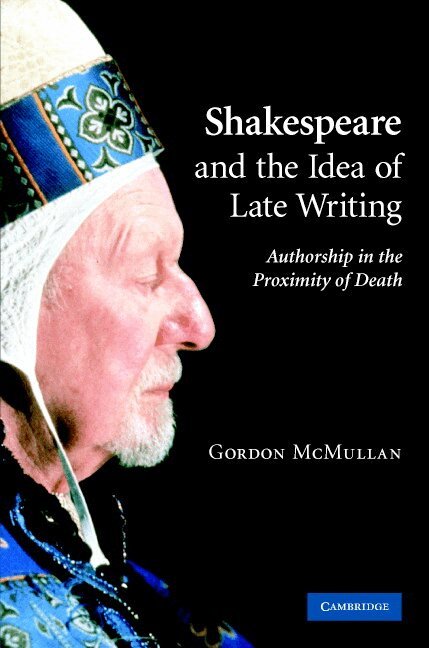
    Shakespeare and the Idea of Late Writing

    Authorship in the Proximity of Death

    AvGordon McMullan

    Inbunden, Engelska, 2007

    1 628 kr

    Beställningsvara. Skickas inom 10-15 vardagar. Fri frakt över 249 kr.

    Fler format och utgåvor

    Häftad

    764 kr

    Beskrivning

    What do we mean when we speak of the 'late style' of a given writer, artist or composer? And what exactly do we mean by 'late Shakespeare'? Gordon McMullan argues that, far from being a natural phenomenon common to a handful of geniuses in old age or in proximity to death, late style is in fact a critical construct. Taking Shakespeare as his exemplar, he maps the development of the 'discourse of lateness' from the eighteenth century to the present, noting not only the mismatch between that discourse and the actual conditions for authorship in early modern theatre but also its generativity for subsequent projections of creative selfhood. He thus offers the first critique of the idea of late style, which will be of interest not only to literature specialists but also to art historians, musicologists and anyone curious about the relationship of creativity to old age and to death.

    Produktinformation

    • Utgivningsdatum:2007-12-06
    • Mått:162 x 234 x 31 mm
    • Vikt:800 g
    • Format:Inbunden
    • Språk:Engelska
    • Antal sidor:414
    • Förlag:Cambridge University Press
    • ISBN:9780521863049

    Utforska kategorier

    • Litteraturvetenskap inom Skönlitteratur

    Mer om författaren

    Gordon McMullan is Reader in English at King's College London.

    Recensioner i media

    Reviews of the hardback: 'Gordon McMullan's Shakespeare and the Idea of Late Writing is easily the best critical study of Shakespeare to appear this year. Packed with insights both theoretical and historical - and ranging from Edmond Malone to Henry James to Edward Said - it's the kind of book that literary scholars (as well as art and music historians) will want to keep close at hand.'  James Shapiro, Columbia University and author of 1599

    Innehållsförteckning

    • Introduction; 1. Shakespeare and the idea of late writing; 2. The Shakespearean caesura: genre, chronology, style; 3. The invention of late Shakespeare: subjectivism and its discontents; 4. Last words / late plays: the possibility and impossibility of late Shakespeare in early modern culture and theatre; 5. How old is 'late'?: late Shakespeare, old age, King Lear; 6. The Tempest and the uses of late Shakespeare in the theatre: Gielgud, Rylance, Prospero.