• Fri frakt över 249 kr
  • •
  • Snabba leveranser
  • •
  • Billiga böcker
Kundservice

Du är på sajten för privatpersoner.

Företag, bibliotek eller offentlig verksamhet?

Du handlar på classic.bokus.com, där alla dina funktioner finns intakta.
Till classic.bokus.com
Bokus logotyp. Gå till startsidan.
  • Erbjudanden
  • Nyheter
  • Student
  • Topplistor
  • Barn & ungdom
  • Bokus Play
  • E-böcker
  • Pocketböcker
  • Spel & pussel

10% rabatt på allt med kod: NYSTART10 →

Sidfot

Mina sidor

    Hjälp

    • Kundservice
    • Vanliga frågor och svar
    • Frakt och leverans
    • Retur vid ångerrätt
    • Reklamera vara
    • Betalning
    • Köpvillkor
    • Allmänna villkor
    • Information om webbplatsens tillgänglighet

    Om Bokus

    • Om oss
    • Pressrum
    • För studenter
    • För företag
    • För bibliotek och offentlig verksamhet
    • För leverantörer
    • Hållbarhet

    Populärt

    • Aktuella erbjudanden
    • Presentkort
    • Studentlitteratur
    • Nya böcker
    • Topplistor
    • Signerade böcker
    • Engelska böcker

    Inspiration

    • Boktips
    • BookTok
    • Populära bokserier
    • Barnbokskaraktärer
    • Populära författare
    Logotyp för Bokus
    Följ oss på Facebook (extern länk)Följ oss på Instagram (extern länk)Följ oss på YouTube (extern länk)Följ oss på TikTok (extern länk)
    bokus @ CookiesAnpassa cookiesIntegritetspolicyKöpvillkor
    Till Citymail hemsida (extern länk)Till Budbee hemsida (extern länk)Till Postnord hemsida (extern länk)Till Schenker hemsida (extern länk)Till Early Bird hemsida (extern länk)Till Walleys hemsida (extern länk)
    1. Filosofi och religion
    2. Religion och tro
    3. Kristendom
    4. Biblar

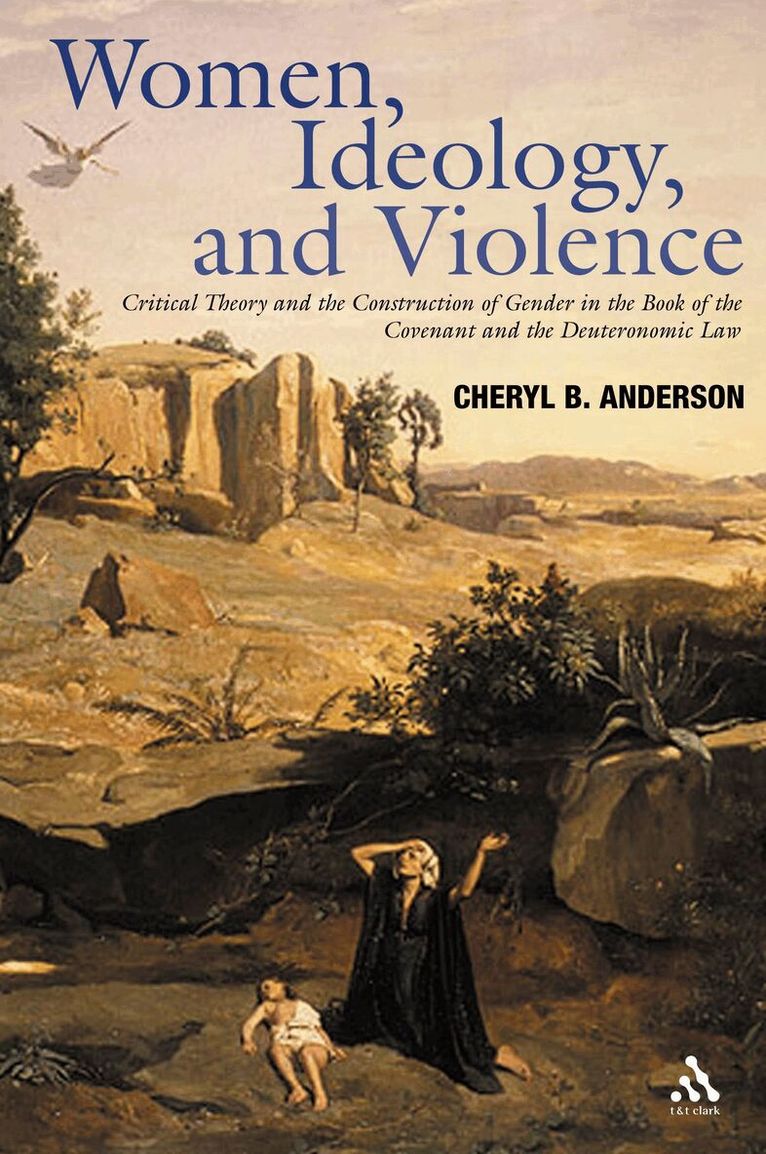
    Women, Ideology and Violence

    AvCheryl Anderson

    Häftad, Engelska, 2005

    1 117 kr

    Beställningsvara. Skickas inom 10-15 vardagar. Fri frakt över 249 kr.

    Fler format och utgåvor

    E-bok

    308 kr

    Beskrivning

    Cheryl Anderson examines the laws relating to women that are found in the Book of the Covenant and the Deuteronomic law. She argues that the laws can be divided into those that treat women similarly to men (defined as 'inclusive' laws) and those that treat women differently ('exclusive' laws). She then suggests that the exclusive laws, which construct gender as male dominance/female subordination, do not just describe violence against women but are inherently violent toward women. As a non-historical critique of ideology, critical theory is used to offer analytical insights that have significant implications for understanding gender constructions in both ancient and contemporary settings.

    Produktinformation

    • Utgivningsdatum:2005-10-15
    • Mått:156 x 234 x 9 mm
    • Vikt:264 g
    • Format:Häftad
    • Språk:Engelska
    • Antal sidor:192
    • Förlag:Bloomsbury Publishing PLC
    • ISBN:9780567082527

    Utforska kategorier

    • Biblar inom Filosofi och religion

    Mer om författaren

    Cheryl Anderson is Assistant Professor of Old Testament Interpretation at the Garrett-Evangelical Theological Seminary, Evanston.

    Recensioner i media

    "Thought-provoking, provocative, and inspiring" Ilona Rashkow, Associate Professor of Judaic Studies, Women's Studies and Comparative Literature, The State University of New York "I am very grateful for the strong stand that Anderson takes on violence against women, and the fact that she does not excuse the biblical text, try to redeem it, or see it as redemptive in some way. She does this in a nuanced way that does not simply victimize women..." Erin Runions, Assistant Professor, Department of Theology, St. Bonaventure University, New York"

    Innehållsförteckning

    • Acknowledgments; Publication Abbreviations; Law Code Abbreviations; Chapter 1; Women, Ideology, and Violence: Critical Theory and the Construction of Gender in the Book of the Covenant and the. Deuteronomic Law; 1. Introduction; A. Law as Ideology; B. Law as Speech Acts; C. The Construction of Gender; D. Law as Violence; 2. Previous Research on the Role of Biblical Law; A. Did the Laws Serve a Legal Purpose?; B. Can Ancient Israelite Society Be Reconstructed from the Biblical Laws?; 3. Methodological Considerations; Chapter 2; A Survey of the Laws on Women in the Book of the Covenant and the Deuteronomic Law; 1.Introduction; 2.Inclusive Laws; A. Inclusive Laws that Explicitly Refer to Men and Women; 1.Inclusive laws: the treatment of male and female slaves; a.Striking a male or female slave; b. Male or female slave gored by an ox; c. Male or female debt slave; 2. Inclusive laws: the treatment of men and women in family matters; a. Respect for mothers and fathers; b. Widows; 3. Inclusive laws: the treatment of men and woman in the cult; a. Male and female cross-dressing; b. Male and female prostitution; B. Inclusive Laws that Implicitly Refer to Men and Women; 1. Female reference: sorcery; 2. Male reference: sorcery; 3. Male reference: apostasy; 3. Exclusive Laws; A. Exclusive Laws that Apply only to Women; 1. Injury to a pregnant female; 2. Genital grabbing by a female; B. Exclusive Laws that Exclude Women by Implication: Cultic Participation; C. Exclusive Laws that Treat Women Based on Their Relationship to Men; 1. Father and daughter: intercourse with an unbetrothed virgin; 2. Engaged man and woman; 3. Husband and wife; a. Newlywed exemption; b. Bride accused of sexual immorality; c. Adultery; d. Primogeniture; e. Incest; f. Restriction of remarriage; 4. Deceased husband and widow: levirate marriage; 5. Female war captive; 4. Conclusions; Chapter 3; The Construction of Identity in the BC and DL; 1. Introduction; 2.The Construction of Identity: The Inclusive Laws of the BC and DL; A. Class Identity; 1. Slaves and debt slaves; 2. The marginalized: the widow, orphan and stranger. 3. Generational Identity; C. National Identity; 1. Concern of the privileged for the poor and marginalized; 2.Cultic practices; a. Centralization of worship; b. Cultic orthodoxy; 3. Fertility; 3.The Construction of Gender Identity: The Exclusive Laws of the BC and DL; A. Gender Theory; B. Postmodern Feminist Legal Theory; 1.The female body submits to male authority; 2.The female body is meant for sex with men; 3.The female body is meant for maternity; 4.The Legitimation of Identity; 5. Conclusions; Chapter 4; Law, Gender, and Violence; 1. Introduction; 2. Gender Theory and the Construction of Masculinity in the BC and DL; A. The Law as Male: Support for Male Dominance; 1. A law is male if it systematically favors men and oppresses women; 2. A law is male if it is neutral in form but has a disproportionately negative impact on females; a. Sorcery; b. Apostasy; c. Centralization of worship; 3. A law is male if it embodies only the male experience; B. The Repression of the Feminine: Law as Violence; 1. From the subordination of women to the repression of the feminine; 2. From the repression of the feminine to the construction of masculinity; 3.Conclusions; Chapter 5; Implications; 1.Dominance/Subordination and Violence Against Women Today; A. Dominance/Subordination: Historical Contexts; B. Dominance/Subordination: Contemporary Context; 2.Biblical interpretation in a Culture of Violence Against Women; Appendix A; Appendix B; Bibliography.