• Fri frakt över 249 kr
  • •
  • Snabba leveranser
  • •
  • Billiga böcker
Kundservice

Du är på sajten för privatpersoner.

Företag, bibliotek eller offentlig verksamhet?

Du handlar på classic.bokus.com, där alla dina funktioner finns intakta.
Till classic.bokus.com
Bokus logotyp. Gå till startsidan.
  • Erbjudanden
  • Nyheter
  • Student
  • Topplistor
  • Barn & ungdom
  • Bokus Play
  • E-böcker
  • Pocketböcker
  • Spel & pussel

10% rabatt på allt med kod: NYSTART10 →

Sidfot

Mina sidor

    Hjälp

    • Kundservice
    • Vanliga frågor och svar
    • Frakt och leverans
    • Retur vid ångerrätt
    • Reklamera vara
    • Betalning
    • Köpvillkor
    • Allmänna villkor
    • Information om webbplatsens tillgänglighet

    Om Bokus

    • Om oss
    • Pressrum
    • För studenter
    • För företag
    • För bibliotek och offentlig verksamhet
    • För leverantörer
    • Hållbarhet

    Populärt

    • Aktuella erbjudanden
    • Presentkort
    • Studentlitteratur
    • Nya böcker
    • Topplistor
    • Signerade böcker
    • Engelska böcker

    Inspiration

    • Boktips
    • BookTok
    • Populära bokserier
    • Barnbokskaraktärer
    • Populära författare
    Logotyp för Bokus
    Följ oss på Facebook (extern länk)Följ oss på Instagram (extern länk)Följ oss på YouTube (extern länk)Följ oss på TikTok (extern länk)
    bokus @ CookiesAnpassa cookiesIntegritetspolicyKöpvillkor
    Till Citymail hemsida (extern länk)Till Budbee hemsida (extern länk)Till Postnord hemsida (extern länk)Till Schenker hemsida (extern länk)Till Early Bird hemsida (extern länk)Till Walleys hemsida (extern länk)
    1. Filosofi och religion
    2. Religion och tro
    3. Religion: allmänt

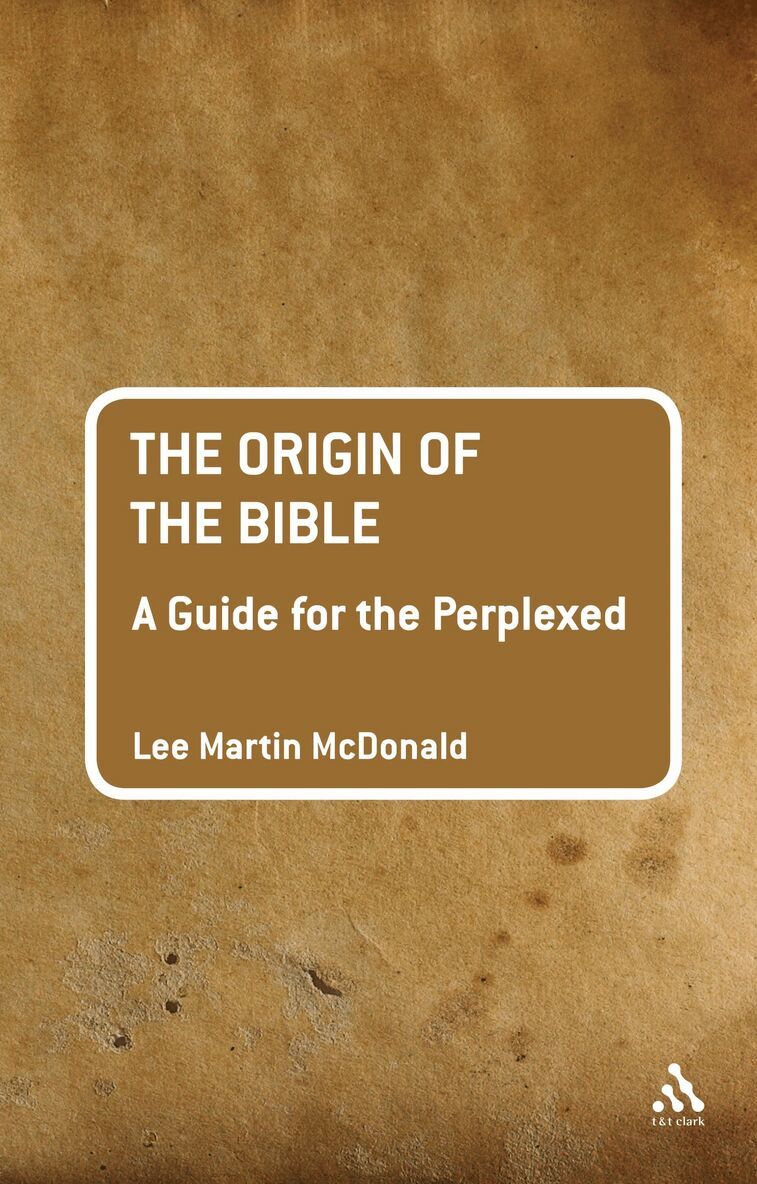
    Origin of the Bible: A Guide For the Perplexed

    AvLee Martin McDonald

    Häftad, Engelska, 2011

    Del i serien Guides for the Perplexed

    423 kr

    Beställningsvara. Skickas inom 10-15 vardagar. Fri frakt över 249 kr.

    Fler format och utgåvor

    E-bok

    453 kr

    Inbunden

    1 811 kr

    Beskrivning

    Just how did the Jewish and Christian Bibles come together? Why were some ancient texts excluded? Or included and later rejected? What were the criteria? This volume deals with a significant issue in light of the many and significant discoveries of ancient sacred or religious texts that were not included in the Jewish or Christian Bibles. Because of the focus in the news media in recent years on those "extra-canonical" books that have come to light in the last century - and even more recently, there is need for clarification of the processes involved in the formation of the Jewish and Christian Bibles. Why were some books included and others excluded? Why were some included initially and subsequently rejected? Was there a church cover-up as some in the media have suggested? As a result of all of this and more, considerable attention is now focused on the use and function of the so-called non-canonical religious texts that are not now a part of the Bibles of various religious communities. Why did the Bible come together? What criteria were used in making decisions about inclusion and exclusion?The proposed volume addresses these questions and others that are critical to a careful understanding of the Jewish and Christian Bibles. The methodology employed in the writing of this book is described below. It is important to take this discussion outside of the scholars' guild and into the hands of the laity, especially those educated college graduates and undergraduates whose interest in this subject has grown over the past twenty or more years. Currently there are no useful volumes on this subject that is geared to them. Scholars continue to talk past them and all too often only to each other about these matters. This volume is designed to fill this void and make the topic more clear for those without the technical academic skills to explore these matters in the ancient languages. "Continuum's Guides for the Perplexed" are clear, concise and accessible introductions to thinkers, writers and subjects that students and readers can find especially challenging - or indeed downright bewildering.Concentrating specifically on what it is that makes the subject difficult to grasp, these books explain and explore key themes and ideas, guiding the reader towards a thorough understanding of demanding material.

    Produktinformation

    • Utgivningsdatum:2011-04-21
    • Mått:138 x 216 x 18 mm
    • Vikt:358 g
    • Format:Häftad
    • Språk:Engelska
    • Serie:Guides for the Perplexed
    • Antal sidor:272
    • Förlag:Bloomsbury Publishing PLC
    • ISBN:9780567139320

    Utforska kategorier

    • Religion: allmänt inom Filosofi och religion
    • Kristendom inom Filosofi och religion

    Mer om författaren

    Lee M. McDonald is President Emeritus and Professor of New Testament Studies Emeritus of Acadia Divinity School, Nova Scotia and Adjunct Professor of New Testament at Fuller Theological Seminary. He serves as Scholar in Residence for the American Baptist Churches of Los Angeles and the American Baptist Congregations of the Southwest and Hawaii.

    Recensioner i media

    Lee McDonald is widely perceived to be in the front ranks of specialists on the origin of the Bible and the evolution of the canon. In this book, in a lucid engaging fashion, McDonald guides those who are perplexed about such origins. Jews and Christians find the revelation of God's Will in the Bible and thereby establish a deeper self-identity. These, and all interested in Bible and canon, will find out from a luminary how the texts and words in the biblical canon were defined and deemed inspired. How did we get our Bible? This book gives you answers. It is superb for classes. I recommend it enthusiastically.

    Innehållsförteckning

    • I. Introduction; II. The Problem of Definition; III. The Origin of the Hebrew Bible/Old Testament; IV. The Sacred books of Early Judaism and Early Christianity; V. The Closure of the Old Testament Canon; VI. The Origin of the New Testament; VII. The Use of Christian Literature in Early Christianity; VIII. The Criteria for Inclusion; IX. Conclusion: Continuing Challenges; X. Appendix: For those who want to Dig Deeper! [A collection of ancient primary texts for understanding the canonical processes].