Inbunden, Engelska, 2027
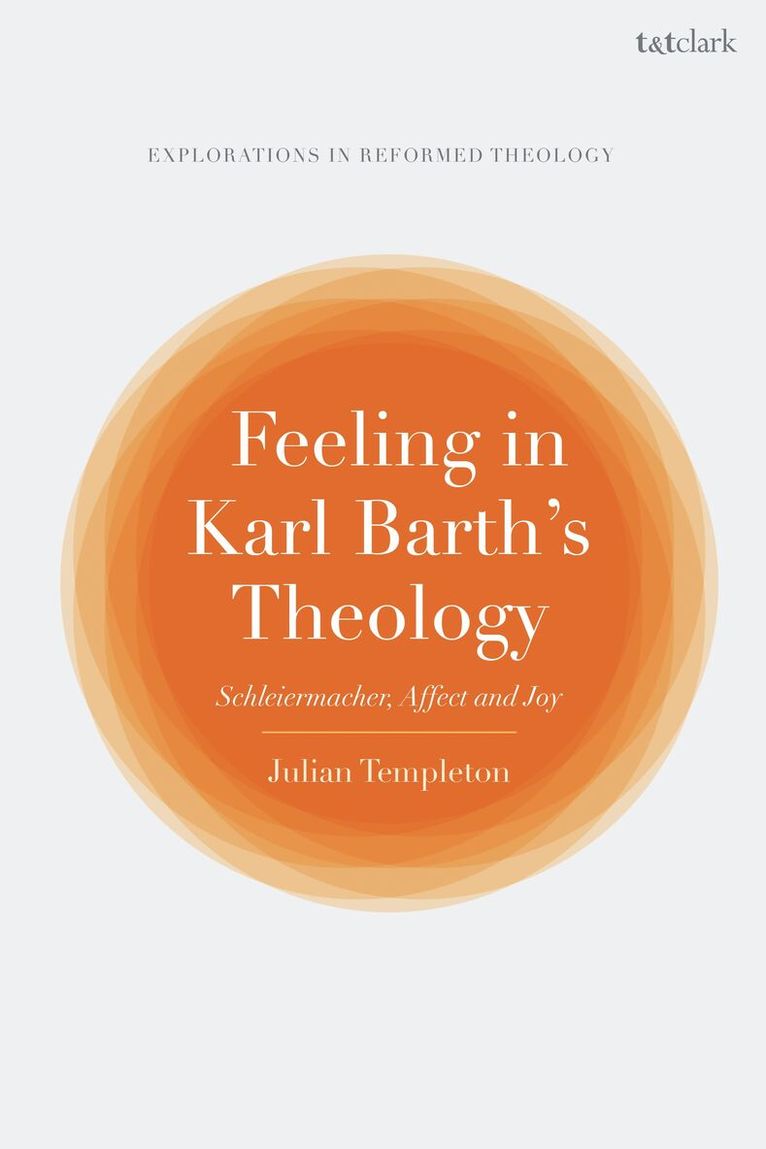
Feeling in Karl Barth's Theology
Av Julian Templeton, Paul T. Nimmo, Paul T Nimmo, Paul Dafydd Jones
1196 kr
Kommande
Beskrivning
Julian Templeton examines Karl Barth’s shifting treatment of feeling, placing it in conversation with Friedrich Schleiermacher's theology of feeling (Gefühl).Affect – defined as changeable disposition and environmental attunement – provides an initial orientation and periodic parallel for this study. Templeton argues that Barth had four different responses to feeling. First, as a student of modern theology influenced by Schleiermacher, Barth embraced human feeling as the indicator of Christian truth. Second, as a pastor faced with the demands of preaching and the First World War, Barth critiqued feeling as liable to mislead. Instead, he sought a dynamic objectivity revealed in God’s otherness. Third, as a professor of theology confronted with the idolatry of Nazism, Barth repurposed feeling as a self-determination by which the Church corresponds to God’s determining Word in Jesus Christ. Fourth, as a theologian influenced by Anselm’s prayerful rejoicing in God’s glory and beauty, Barth reorientated human feeling by centring it in God’s triune being. Glory is the outward demonstration of God’s indwelling and overflowing joy. Glory finds its nearest correspondence in Creation’s rejoicing. The Church is part of Creation that intentionally opens itself to God’s joy. This intentional openness also enlarges the Church’s capacity to be affected by suffering.
Produktinformation
- Utgivningsdatum: 2027-01-07
- Mått: 156 x 234 x 25 mm
- Vikt: 454 g
- Format: Inbunden
- Språk: Engelska
- Serie: T&T Clark Explorations in Reformed Theology
- Antal sidor: 216
- Förlag: Bloomsbury Publishing PLC
- ISBN: 9780567717306
Utforska kategorier
Betyg & recensioner
0 recensioner
Inga recensioner tillgängliga.