• Fri frakt över 249 kr
  • •
  • Snabba leveranser
  • •
  • Billiga böcker
Kundservice

Du är på sajten för privatpersoner.

Företag, bibliotek eller offentlig verksamhet?

Du handlar på classic.bokus.com, där alla dina funktioner finns intakta.
Till classic.bokus.com
Bokus logotyp. Gå till startsidan.
  • Erbjudanden
  • Student
  • Topplistor
  • Barn & ungdom
  • Bokus Play
  • E-böcker
  • Ljudböcker
  • Pocketböcker
  • Spel & pussel

Upp till 25% på utvalda nyheter →

Sidfot

Mina sidor

    Hjälp

    • Kundservice
    • Vanliga frågor och svar
    • Frakt och leverans
    • Retur vid ångerrätt
    • Reklamera vara
    • Betalning
    • Köpvillkor
    • Allmänna villkor
    • Information om webbplatsens tillgänglighet

    Om Bokus

    • Om oss
    • Pressrum
    • För studenter
    • För företag
    • För bibliotek och offentlig verksamhet
    • För leverantörer
    • Hållbarhet

    Populärt

    • Aktuella erbjudanden
    • Presentkort
    • Studentlitteratur
    • Nya böcker
    • Topplistor
    • Signerade böcker
    • Engelska böcker

    Inspiration

    • Boktips
    • BookTok
    • Populära bokserier
    • Barnbokskaraktärer
    • Populära författare
    Logotyp för Bokus
    Följ oss på Facebook (extern länk)Följ oss på Instagram (extern länk)Följ oss på YouTube (extern länk)Följ oss på TikTok (extern länk)
    bokus @ CookiesAnpassa cookiesIntegritetspolicyKöpvillkor
    Till Citymail hemsida (extern länk)Till Budbee hemsida (extern länk)Till Postnord hemsida (extern länk)Till Schenker hemsida (extern länk)Till Early Bird hemsida (extern länk)Till Walleys hemsida (extern länk)
    1. Historia och arkeologi
    2. Historia

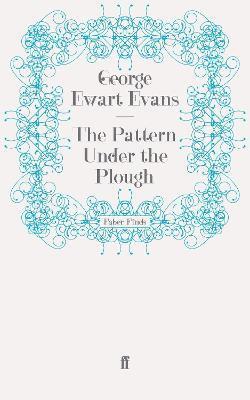
    Pattern Under the Plough

    AvGeorge Ewart Evans

    Häftad, Engelska, 2008

    282 kr

    Beställningsvara. Skickas inom 10-15 vardagar. Fri frakt över 249 kr.

    Fler format och utgåvor

    E-bok

    199 kr

    Häftad

    Tillf. slut

    Beskrivning

    Following his two classics, Ask the Fellows Who Cut the Hay and The Horse in the Furrow, renowned oral historian George Ewart Evans continues his study of the vanishing customs, working habits and rich language of the farming communities of East Anglia with The Pattern Under the Plough (Faber, 1966). Although based on East Anglia, this book was and remains of wider interest, for - as the author pointed out at the time - similar changes were occurring in North America, and also happening with remarkable speed in Africa.In chronicling the old culture George Ewart Evans has taken its two chief aspects, the home and the farm. He describes the house with its fascinating constructional details, the magic invoked for its protection, the mystique of the hearth, the link of the bees with the people of the house, and some of their fears and pre-occupations. Among the chapters on the farm is one of Evans's most original pieces of research: the description of the secret horse societies. Beautifully illustrated by David Gentleman, this book is important not only for the material it reveals about the past but for the implications for present-day society.'As real (and as valuable) as the evidence unearthed by the spadework of archaeology.' Observer

    Produktinformation

    • Utgivningsdatum:2008-05-29
    • Mått:135 x 216 x 19 mm
    • Vikt:336 g
    • Format:Häftad
    • Språk:Engelska
    • Antal sidor:270
    • Förlag:Faber & Faber
    • ISBN:9780571243792

    Utforska kategorier

    • Historia inom Historia och arkeologi

    Mer om författaren

    Born in the mining town of Abercynon, South Wales, George Ewart Evans (1909-88) was a pioneering oral historian. In 1948 he settled with his family in Blaxhall, Suffolk, and through conversing with his neighbours he developed an interest in their dialect and the aspects of rural life which they described. Many were agricultural labourers, born before the turn of the century, who had worked on farms before the arrival of mechanisation. With the assistance of a tape recorder he collected oral evidence of the dialect, rural customs, traditions and folklore throughout East Anglia, and this work, reinforced by documental research, provided the background for his renowned East Anglian books.