George Ewart Evans – författare
Visar alla böcker från författaren George Ewart Evans. Handla med fri frakt och snabb leverans.
17 produkter
Pattern Under the Plough
Häftad, 2008
317 kr
Lägg i varukorg
Following his two classics, Ask the Fellows Who Cut the Hay and The Horse in the Furrow, renowned oral historian George Ewart Evans continues his study of the vanishing customs, working habits and rich language of the farming communities of East Anglia with The Pattern Under the Plough (Faber, …
Days That We Have Seen
Häftad, 2008
259 kr
Lägg i varukorg
George Ewart Evans's pioneer work in oral history has been widely acclaimed; the importance of this source of historical knowledge has long been recognized both in this country and the United States. In The Days That We Have Seen (Faber, 1975) he shows the way in which oral history works and …
From Mouths of Men
Häftad, 2008
254 kr
Lägg i varukorg
From Mouths of Men (Faber, 1976) is the culmination of George Ewart Evans's studies in oral history. It rounds off and complements the author's previous book, The Days That We Have Seen - which dealt with 'the country' and 'land and sea' - by applying the same methods to 'the town' and 'mining'. …
Farm and the Village
Aspects of the Folk-Life of East Anglia
Häftad, 2008
325 kr
Lägg i varukorg
In a sense all history begins in the soil; and we cannot understand the development of our own home county or region unless we know something of the story of its farming. The Farm and the Village (Faber, 1969) is an introduction to farming as it was carried on in East Anglia before the large-scale …
Horse in the Furrow
Häftad, 2008
341 kr
Lägg i varukorg
The Suffolk Punch - that sturdy, compact draft horse of noble ancestry - was, until mechanisation, the powerhouse of the East Anglian farming community. In The Horse in the Furrow (1960), renowned social historian George Ewart Evans explores this potent symbol of a bygone era, and the complex …
Where Beards Wag All
Häftad, 2008
315 kr
Lägg i varukorg
From his landmark study of rural life in East Anglia, Ask the Fellows Who Cut the Hay (1956), George Ewart Evans set about, in a series of books, unveiling the sylvan round of myth and merriment, plenty and hardship, that informed the traditions and texture of country living.Core to his chronicles …
Spoken History
Häftad, 2008
322 kr
Lägg i varukorg
George Ewart Evans is the pre-eminent chronicler of the British countryside; marrying oral history with sympathetic commentary and analysis, over thirty years and in a series of books, he afforded a unique view of a receding world.Spoken History (1987) is a retrospective of his remarkable …
Acky
Häftad, 2008
219 kr
Lägg i varukorg
Acky is a unique and simple collection of stories about country life in Suffolk. As the author says: 'You won't find the names of Akerman Flatt and his wife, Sarah, in any parish register. But there were many more like them in the Suffolk villages shortly after the last war - couples who had …
Horse Power and Magic
Häftad, 2008
275 kr
Lägg i varukorg
The pioneering oral historian, George Ewart Evans, began to record the farming ways of East Anglia in the 1950s by listening to old men and women whose memories went back more than fifty or sixty years. Many were agricultural labourers, born before the turn of the century, who had worked on farms …
Pattern Under the Plough
E-bok, 2012
206 kr
Lägg i varukorg
Following his two classics, Ask the Fellows Who Cut the Hay and The Horse in the Furrow, renowned oral historian George Ewart Evans continues his study of the vanishing customs, working habits and rich language of the farming communities of East Anglia with The Pattern Under the Plough (Faber, …
Horse in the Furrow
E-bok, 2012
191 kr
Lägg i varukorg
The Suffolk Punch - that sturdy, compact draft horse of noble ancestry - was, until mechanisation, the powerhouse of the East Anglian farming community. In The Horse in the Furrow (1960), renowned social historian George Ewart Evans explores this potent symbol of a bygone era, and the complex …
Horse Power and Magic
E-bok, 2012
173 kr
Lägg i varukorg
The pioneering oral historian, George Ewart Evans, began to record the farming ways of East Anglia in the 1950s by listening to old men and women whose memories went back more than fifty or sixty years. Many were agricultural labourers, born before the turn of the century, who had worked on farms …
Leaping Hare
Häftad, 2017
142 kr
Lägg i varukorg
The Leaping Hare is a rare and remarkable book about every aspect of the life and legend of the wild hare, exploring nature, poetry, folklore, history and art. A frequent feature in the mythology of many cultures, the hare has been linked with mystery and witchcraft throughout civilisation, and …
Ask the Fellows Who Cut the Hay
Häftad, 2018
123 kr
Lägg i varukorg
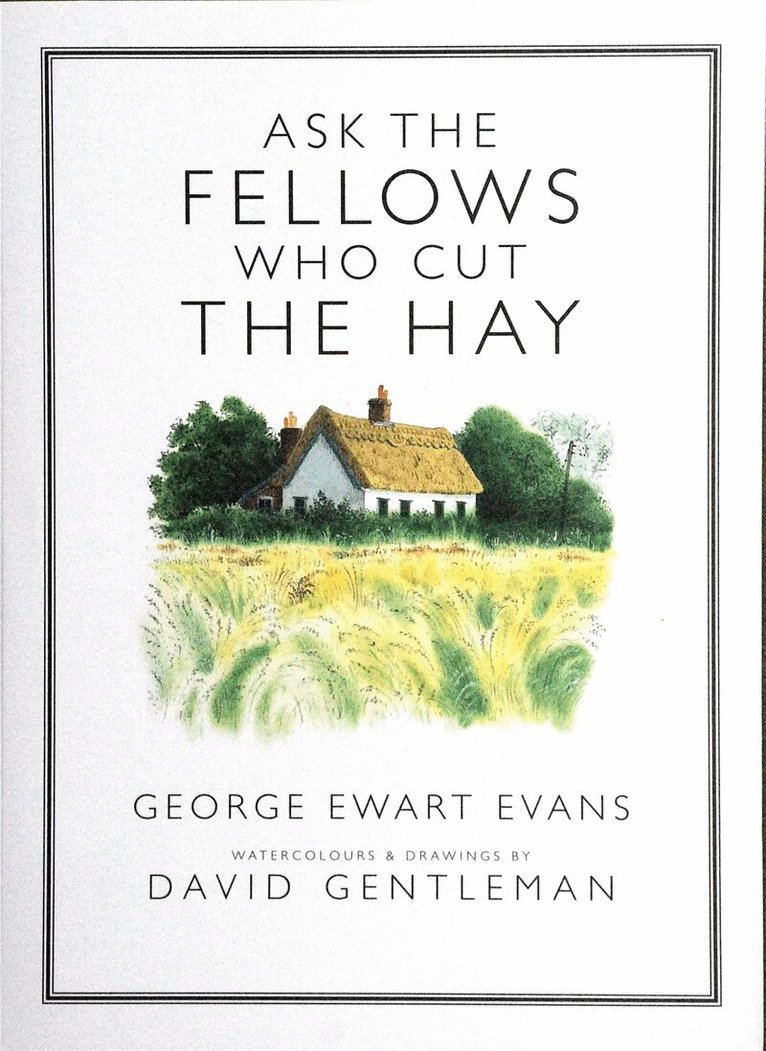
Ask the Fellows Who Cut the Hay is a vivid portrait of the rural past of Blaxhall, a remote Suffolk village, in the time before mechanization changed the entire nature of farming, the landscape and rural life for good. In the 1950s, George Ewart Evans sought out those who could recall the …
Crooked Scythe
An Anthology of Oral History
Häftad, 2018
127 kr
Lägg i varukorg
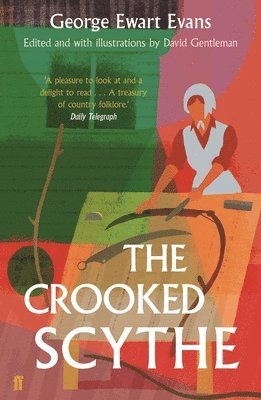
George Ewart Evans, who wrote the classic Ask the Fellows Who Cut the Hay, was one of the pioneers of oral history. This anthology is drawn from his writings about the memories of men and women of a past era - farm labourers, shepherds, horsemen, blacksmiths, wheelwrights, sailors, fisherman, …
Ask the Fellows Who Cut the Hay
Inbunden, 2010
280 kr
Tillfälligt slut
First published in 1956, George Ewart Evans ' classic record of life in Blaxhall, a small Suffolk community in the late 19th and early 20th centuries, has preserved for posterity a vivid and meticulous portrait of rural life before mechanization and the arrival of agri-business. This new edition is …
Pattern Under the Plough
Aspects of the Folk Life of East Anglia
Av George Ewart Evans, Patrick Barkham
Häftad, 2013
171 kr
Tillfälligt slut
In 1948, shortly after settling with his family in the village of Blaxhall, Suffolk, George Ewart Evans started recording the conversations he had with neighbours, many of whom were born in the nineteenth century and had worked on farms before the arrival of mechanisation. He soon realised that …