• Fri frakt över 249 kr
  • •
  • Snabba leveranser
  • •
  • Billiga böcker
Kundservice

Du är på sajten för privatpersoner.

Företag, bibliotek eller offentlig verksamhet?

Du handlar på classic.bokus.com, där alla dina funktioner finns intakta.
Till classic.bokus.com
Bokus logotyp. Gå till startsidan.
  • Erbjudanden
  • Student
  • Topplistor
  • Barn & ungdom
  • Bokus Play
  • E-böcker
  • Ljudböcker
  • Pocketböcker
  • Spel och pussel

Pocketfynda! Hundratals böcker för 49 kr/st →

Sidfot

Mina sidor

    Hjälp

    • Kundservice
    • Vanliga frågor och svar
    • Frakt och leverans
    • Retur vid ångerrätt
    • Reklamera vara
    • Betalning
    • Köpvillkor
    • Allmänna villkor
    • Information om webbplatsens tillgänglighet

    Om Bokus

    • Om oss
    • Pressrum
    • För studenter
    • För företag
    • För bibliotek och offentlig verksamhet
    • För leverantörer
    • Hållbarhet

    Populärt

    • Aktuella erbjudanden
    • Presentkort
    • Studentlitteratur
    • Nya böcker
    • Topplistor
    • Signerade böcker
    • Engelska böcker

    Inspiration

    • Boktips
    • BookTok
    • Barnbokskaraktärer
    • Populära författare
    Logotyp för Bokus
    Följ oss på Facebook (extern länk)Följ oss på Instagram (extern länk)Följ oss på YouTube (extern länk)Följ oss på TikTok (extern länk)
    bokus @ CookiesAnpassa cookiesIntegritetspolicyKöpvillkor
    Till Citymail hemsida (extern länk)Till Budbee hemsida (extern länk)Till Postnord hemsida (extern länk)Till Schenker hemsida (extern länk)Till Early Bird hemsida (extern länk)Till Walleys hemsida (extern länk)
    1. Filosofi och religion
    2. Religion och tro

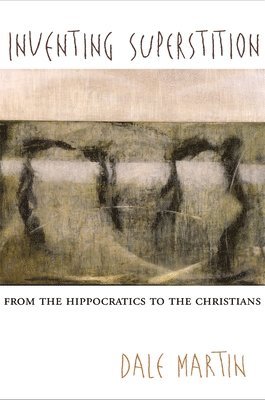
    Inventing Superstition

    From the Hippocratics to the Christians

    AvDale B. Martin

    Häftad, Engelska, 2007

    308 kr

    Beställningsvara. Skickas inom 10-15 vardagar. Fri frakt över 249 kr.

    Beskrivning

    The Roman author Pliny the Younger characterizes Christianity as “contagious superstition”; two centuries later the Christian writer Eusebius vigorously denounces Greek and Roman religions as vain and impotent “superstitions.” The term of abuse is the same, yet the two writers suggest entirely different things by “superstition.”Dale Martin provides the first detailed genealogy of the idea of superstition, its history over eight centuries, from classical Greece to the Christianized Roman Empire of the fourth century C.E. With illuminating reference to the writings of philosophers, historians, and medical teachers he demonstrates that the concept of superstition was invented by Greek intellectuals to condemn popular religious practices and beliefs, especially the belief that gods or other superhuman beings would harm people or cause disease. Tracing the social, political, and cultural influences that informed classical thinking about piety and superstition, nature and the divine, Inventing Superstition exposes the manipulation of the label of superstition in arguments between Greek and Roman intellectuals on the one hand and Christians on the other, and the purposeful alteration of the idea by Neoplatonic philosophers and Christian apologists in late antiquity.Inventing Superstition weaves a powerfully coherent argument that will transform our understanding of religion in Greek and Roman culture and the wider ancient Mediterranean world.

    Produktinformation

    • Utgivningsdatum:2007-03-01
    • Mått:129 x 202 x 25 mm
    • Vikt:408 g
    • Format:Häftad
    • Språk:Engelska
    • Antal sidor:320
    • Förlag:Harvard University Press
    • ISBN:9780674024076
    • Utmärkelser:Nominated for Award for Excellence in the Study of Religion 2005

    Utforska kategorier

    • Religion och tro inom Filosofi och religion

    Mer om författaren

    Dale B. Martin is Woolsey Professor Emeritus of Religious Studies at Yale University.

    Recensioner i media

    Many ancients and moderns have seen religion as superstition, yet the world overflows with people who reject superstition generally yet accept it in the context of religion. Yale professor Martin explores the origins of that contradiction in perhaps the finest historical study ever of superstition and its delineation from religion.