• Fri frakt över 249 kr
  • •
  • Snabba leveranser
  • •
  • Billiga böcker
Kundservice

Du är på sajten för privatpersoner.

Företag, bibliotek eller offentlig verksamhet?

Du handlar på classic.bokus.com, där alla dina funktioner finns intakta.
Till classic.bokus.com
Bokus logotyp. Gå till startsidan.
  • Erbjudanden
  • Nyheter
  • Student
  • Topplistor
  • Barn & ungdom
  • Bokus Play
  • E-böcker
  • Pocketböcker
  • Spel & pussel

10% rabatt på allt med kod: NYSTART10 →

Sidfot

Mina sidor

    Hjälp

    • Kundservice
    • Vanliga frågor och svar
    • Frakt och leverans
    • Retur vid ångerrätt
    • Reklamera vara
    • Betalning
    • Köpvillkor
    • Allmänna villkor
    • Information om webbplatsens tillgänglighet

    Om Bokus

    • Om oss
    • Pressrum
    • För studenter
    • För företag
    • För bibliotek och offentlig verksamhet
    • För leverantörer
    • Hållbarhet

    Populärt

    • Aktuella erbjudanden
    • Presentkort
    • Studentlitteratur
    • Nya böcker
    • Topplistor
    • Signerade böcker
    • Engelska böcker

    Inspiration

    • Boktips
    • BookTok
    • Populära bokserier
    • Barnbokskaraktärer
    • Populära författare
    Logotyp för Bokus
    Följ oss på Facebook (extern länk)Följ oss på Instagram (extern länk)Följ oss på YouTube (extern länk)Följ oss på TikTok (extern länk)
    bokus @ CookiesAnpassa cookiesIntegritetspolicyKöpvillkor
    Till Citymail hemsida (extern länk)Till Budbee hemsida (extern länk)Till Postnord hemsida (extern länk)Till Schenker hemsida (extern länk)Till Early Bird hemsida (extern länk)Till Walleys hemsida (extern länk)
    1. Historia och arkeologi
    2. Historia
    3. Asiens historia

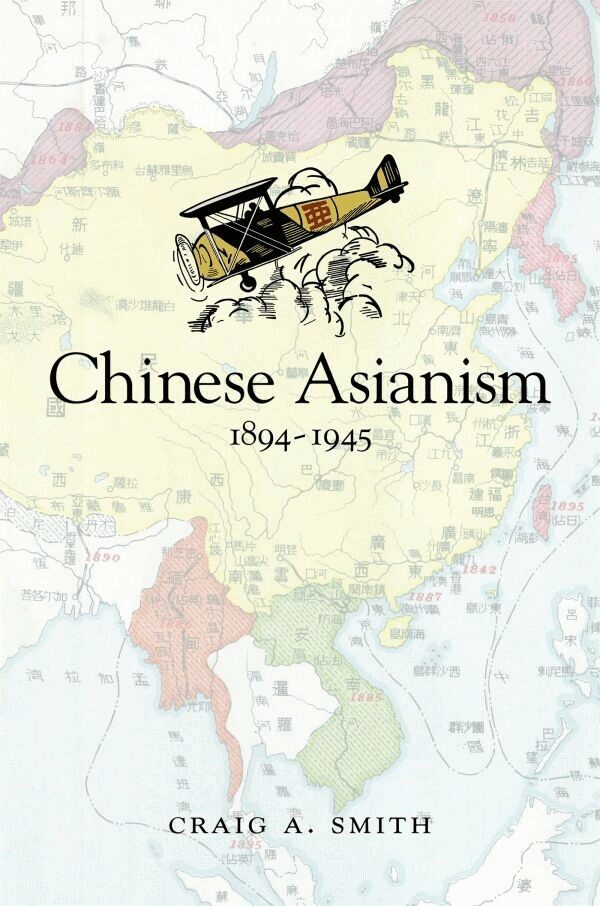
    Chinese Asianism, 1894-1945

    AvCraig A. Smith

    Inbunden, Engelska, 1900

    Del i serien Harvard East Asian Monographs

    470 kr

    Beställningsvara. Skickas inom 5-8 vardagar. Fri frakt över 249 kr.

    Beskrivning

    Chinese Asianism examines Chinese intellectual discussions of East Asian solidarity, analyzing them in connection with Chinese nationalism and Sino–Japanese relations. Beginning with texts written after the first Sino–Japanese War of 1894 and concluding with Wang Jingwei’s failed government in World War II, Craig Smith engages with a period in which the Chinese empire had crumbled and intellectuals were struggling to adapt to imperialism, new and hegemonic forms of government, and radically different epistemes. He considers a wide range of writings that show the depth of the pre-war discourse on Asianism and the influence it had on the rise of nationalism in China. Asianism was a “call” for Asian unity, Smith finds, but advocates of a united and connected Asia based on racial or civilizational commonalities also utilized the packaging of Asia for their own agendas, to the extent that efforts towards international regionalism spurred the construction of Chinese nationalism. Asianism shaped Chinese ideas of nation and region, often by translating and interpreting Japanese perspectives, and leaving behind a legacy in the concepts and terms that persist in the twenty-first century. As China plays a central role in regional East Asian development, Asianism is once again of great importance today.

    Produktinformation

    • Utgivningsdatum:1900-01-01
    • Mått:235 x 159 x 27 mm
    • Vikt:556 g
    • Format:Inbunden
    • Språk:Engelska
    • Serie:Harvard East Asian Monographs
    • Antal sidor:312
    • Förlag:Harvard University Press
    • ISBN:9780674260245

    Utforska kategorier

    • Asiens historia inom Historia och arkeologi
    • Internationella relationer inom Samhälle och politik

    Mer om författaren

    Craig A. Smith is Lecturer in Translation Studies at the Asia Institute, University of Melbourne.

    Recensioner i media

    In the twenty-first century, we cannot think about the future of Asianism without turning to the rise of China. Craig A. Smith’s book makes a serious contribution by exploring the genealogy of Chinese Asianism…His book provides an excellent history of Asianism up to World War II, which is important for understanding attempts to revise Asianism by scholars such as Takeuchi Yoshimi in the postwar period, and helps us to understand the resurgence of China-centered narratives of Asia in the present.