

The Cambridge World History: Volume 6, The Construction of a Global World, 1400-1800 CE, Part 1, Foundations
Jerry H. Bentley, Sanjay Subrahmanyam, Merry E. Wiesner-Hanks
Häftad, 2017
545 kr
457 kr
Beställningsvara. Skickas inom 10-15 vardagar. Fri frakt över 249 kr.
Jerry H. Bentley, Sanjay Subrahmanyam, Merry E. Wiesner-Hanks
Häftad, 2017
545 kr

Jerry H. Bentley, Sanjay Subrahmanyam, Merry E. Wiesner-Hanks
Häftad, 2017
574 kr

Jerry H. Bentley, Sanjay Subrahmanyam, Merry E. Wiesner-Hanks
Inbunden, 2015
2 234 kr

David Armitage, Sanjay Subrahmanyam, David Armitage, Sanjay Subrahmanyam
Inbunden, 2009
1 581 kr

David Armitage, Sanjay Subrahmanyam, David Armitage, Sanjay Subrahmanyam
Häftad, 2009
494 kr
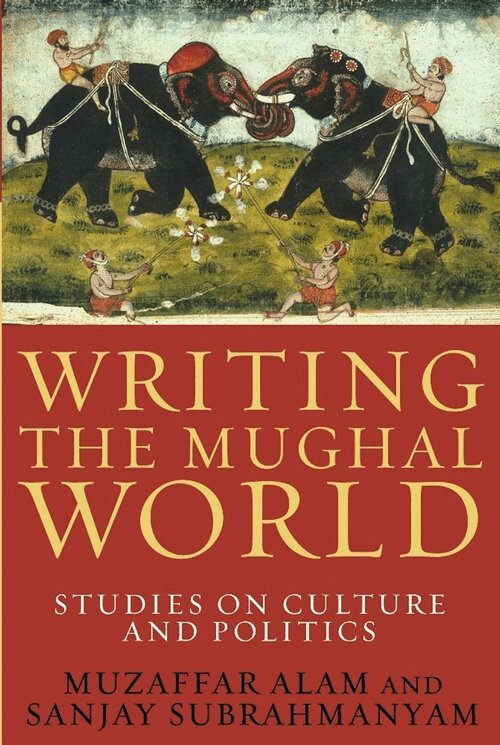


Muzaffar Alam, Sanjay Subrahmanyam
Häftad, 2010
803 kr


Jerry H. Bentley, Sanjay Subrahmanyam, Merry E. Wiesner-Hanks
Inbunden, 2015
2 047 kr
Jerry H. Bentley, Sanjay Subrahmanyam, Merry E. Wiesner-Hanks
Häftad, 2017
574 kr
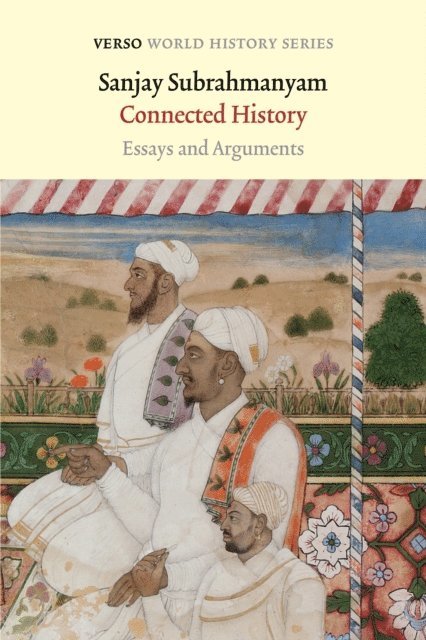
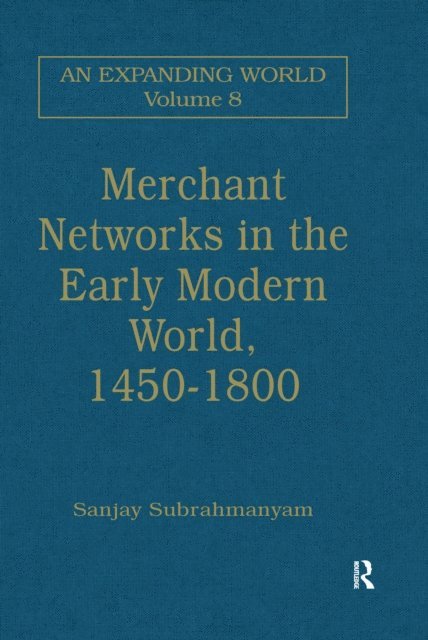


Henning Trüper, Dipesh Chakrabarty, Sanjay Subrahmanyam
Inbunden, 2015
2 011 kr

Henning Trüper, Dipesh Chakrabarty, Sanjay Subrahmanyam
Häftad, 2015
522 kr
Jerry H. Bentley, Sanjay Subrahmanyam, Merry E. Wiesner-Hanks
Inbunden, 2015
2 047 kr
Muzaffar Alam, Sanjay Subrahmanyam
Häftad, 2010
803 kr
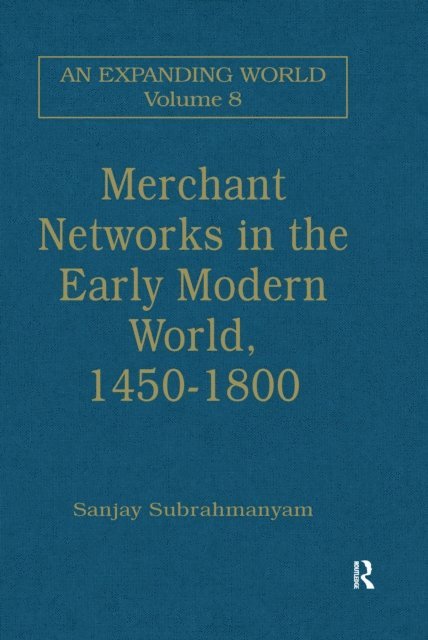
457 kr
Beställningsvara. Skickas inom 10-15 vardagar. Fri frakt över 249 kr.
Jerry H. Bentley, Sanjay Subrahmanyam, Merry E. Wiesner-Hanks
Häftad, 2017
545 kr
Jerry H. Bentley, Sanjay Subrahmanyam, Merry E. Wiesner-Hanks
Häftad, 2017
574 kr
Jerry H. Bentley, Sanjay Subrahmanyam, Merry E. Wiesner-Hanks
Inbunden, 2015
2 234 kr
David Armitage, Sanjay Subrahmanyam, David Armitage, Sanjay Subrahmanyam
Inbunden, 2009
1 581 kr
David Armitage, Sanjay Subrahmanyam, David Armitage, Sanjay Subrahmanyam
Häftad, 2009
494 kr
Muzaffar Alam, Sanjay Subrahmanyam
Häftad, 2010
803 kr
Jerry H. Bentley, Sanjay Subrahmanyam, Merry E. Wiesner-Hanks
Inbunden, 2015
2 047 kr
Jerry H. Bentley, Sanjay Subrahmanyam, Merry E. Wiesner-Hanks
Häftad, 2017
574 kr
Henning Trüper, Dipesh Chakrabarty, Sanjay Subrahmanyam
Inbunden, 2015
2 011 kr
Henning Trüper, Dipesh Chakrabarty, Sanjay Subrahmanyam
Häftad, 2015
522 kr
Jerry H. Bentley, Sanjay Subrahmanyam, Merry E. Wiesner-Hanks
Inbunden, 2015
2 047 kr
Muzaffar Alam, Sanjay Subrahmanyam
Häftad, 2010
803 kr