Häftad, Engelska, 2016
Words of Power
346 kr
Beställningsvara. Skickas inom 5-8 vardagar. Fri frakt över 249 kr.
Beskrivning
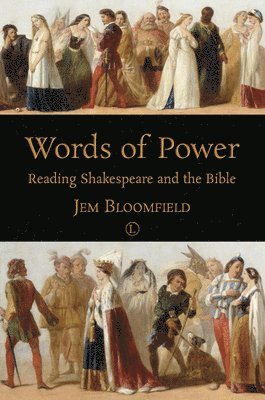
A study of two major icons of Anglophone culture – the Bible and Shakespeare – exploring the treatment of canonicity, interpretation and appropriation.Shakespeare and the Bible are titans of English-speaking culture: their images are endlessly cited and recycled, and their language permeates everything from our public ceremonies to our private jokes. In Words of Power, Jem Bloomfield explores the cultural reverberations of these two collections of books, and how each era finds new meanings as they encounter works such as Hamlet or the Gospel of Mark.Beginning with a shrewd examination of how we have codified and standardised their canons, deciding which books and which words are included in the official collections and which are excluded, Bloomfield charts the ways in which every generation grapples with these enigmatic and complex texts. He explores the way they are read and performed in public, the institutions that use their names to legitimise their own activities, and how the texts are quoted by politicians, lords and rappers. Words of Power throws modern ideas about Shakespeare and the Bible into sharp relief by contrasting them with those of our ancestors, showing how our engagements with these texts reveal as much about ourselves as their actual meanings.
Produktinformation
- Utgivningsdatum: 2016-05-26
- Mått: 156 x 234 x 15 mm
- Vikt: 340 g
- Format: Häftad
- Språk: Engelska
- Serie: Lutterworth Press
- Antal sidor: 176
- Förlag: Boydell & Brewer Ltd
- ISBN: 9780718894139
Utforska kategorier
Betyg & recensioner
0 recensioner
Inga recensioner tillgängliga.