• Fri frakt över 249 kr
  • •
  • Snabba leveranser
  • •
  • Billiga böcker
Kundservice

Du är på sajten för privatpersoner.

Företag, bibliotek eller offentlig verksamhet?

Du handlar på classic.bokus.com, där alla dina funktioner finns intakta.
Till classic.bokus.com
Bokus logotyp. Gå till startsidan.
  • Erbjudanden
  • Student
  • Topplistor
  • Barn & ungdom
  • Bokus Play
  • E-böcker
  • Ljudböcker
  • Pocketböcker
  • Spel & pussel

Upp till 25% på utvalda nyheter →

Sidfot

Mina sidor

    Hjälp

    • Kundservice
    • Vanliga frågor och svar
    • Frakt och leverans
    • Retur vid ångerrätt
    • Reklamera vara
    • Betalning
    • Köpvillkor
    • Allmänna villkor
    • Information om webbplatsens tillgänglighet

    Om Bokus

    • Om oss
    • Pressrum
    • För studenter
    • För företag
    • För bibliotek och offentlig verksamhet
    • För leverantörer
    • Hållbarhet

    Populärt

    • Aktuella erbjudanden
    • Presentkort
    • Studentlitteratur
    • Nya böcker
    • Topplistor
    • Signerade böcker
    • Engelska böcker

    Inspiration

    • Boktips
    • BookTok
    • Populära bokserier
    • Barnbokskaraktärer
    • Populära författare
    Logotyp för Bokus
    Följ oss på Facebook (extern länk)Följ oss på Instagram (extern länk)Följ oss på YouTube (extern länk)Följ oss på TikTok (extern länk)
    bokus @ CookiesAnpassa cookiesIntegritetspolicyKöpvillkor
    Till Citymail hemsida (extern länk)Till Budbee hemsida (extern länk)Till Postnord hemsida (extern länk)Till Schenker hemsida (extern länk)Till Early Bird hemsida (extern länk)Till Walleys hemsida (extern länk)
    1. Samhälle och politik
    2. Politik och statsskick
    3. Internationella relationer

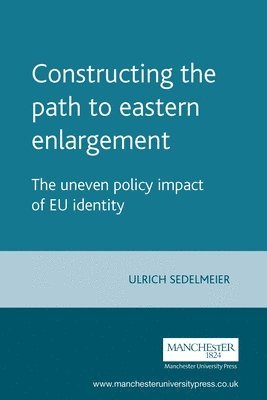
    Constructing the Path to Eastern Enlargement

    The Uneven Policy Impact of Eu Identity

    AvUlrich Sedelmeier

    Inbunden, Engelska, 2005

    Del i serien Europe in Change

    1 088 kr

    Beställningsvara. Skickas inom 5-8 vardagar. Fri frakt över 249 kr.

    Beskrivning

    This book examines the two main dimensions of the European Union’s enlargement to eight central and eastern European countries (CEECs) in 2004. Why did the EU agree to enlargement, despite the costs for some incumbents who have veto-power? How can we explain the (uneven) pattern of accommodation of the CEECs’ preferences in concrete policies? Combining in-depth empirical analysis with an original theoretical framework, which draws on insights from constructivism and historical institutionalism, this book focuses on the EU's discursively constructed role-identity vis-à-vis the CEECs. This role-identity forged a group of policy advocates inside the European Commission, who promoted the CEECs' preferences inside the EU, and induced a path-dependence into the enlargement process. The impact of EU identity on concrete policies was less direct. Case studies on trade liberalisation, regulatory alignment, and foreign policy consultations demonstrate that sectoral policy paradigms are a key factor that mediates the influence of the policy advocates on specific policy areas.

    Produktinformation

    • Utgivningsdatum:2005-10-20
    • Mått:156 x 234 x 12 mm
    • Vikt:485 g
    • Format:Inbunden
    • Språk:Engelska
    • Serie:Europe in Change
    • Antal sidor:232
    • Förlag:Manchester University Press
    • ISBN:9780719070082

    Utforska kategorier

    • Internationella relationer inom Samhälle och politik

    Mer om författaren

    Ulrich Sedelmeier is Senior Lecturer in International Relations at the London School of Economics and Political Science

    Innehållsförteckning

    • Part I: Analytical framework1. Introduction: the puzzle(s) of the EU’s eastern enlargement2. Constructing the EU’s collective identity vis-à-vis the CEECs3. Conceptualising the impact of EU identity on the enlargement policyPart II: The macro-policy4. Setting the path to eastern enlargement: from initial reluctance to endorsement of the accession perspective5. Following the path to eastern enlargement: from the general principle of membership to accessionPart III: Meso-policies6. Liberalisation of steel trade7. Regulatory alignment with the internal market8. Political dialogue on foreign policyPart IV: Conclusions9. ConclusionsReferences