• Fri frakt över 249 kr
  • •
  • Snabba leveranser
  • •
  • Billiga böcker
Kundservice

Du är på sajten för privatpersoner.

Företag, bibliotek eller offentlig verksamhet?

Du handlar på classic.bokus.com, där alla dina funktioner finns intakta.
Till classic.bokus.com
Bokus logotyp. Gå till startsidan.
  • Erbjudanden
  • Nyheter
  • Student
  • Topplistor
  • Barn & ungdom
  • Bokus Play
  • E-böcker
  • Pocketböcker
  • Spel & pussel

10% rabatt på allt med kod: NYSTART10 →

Sidfot

Mina sidor

    Hjälp

    • Kundservice
    • Vanliga frågor och svar
    • Frakt och leverans
    • Retur vid ångerrätt
    • Reklamera vara
    • Betalning
    • Köpvillkor
    • Allmänna villkor
    • Information om webbplatsens tillgänglighet

    Om Bokus

    • Om oss
    • Pressrum
    • För studenter
    • För företag
    • För bibliotek och offentlig verksamhet
    • För leverantörer
    • Hållbarhet

    Populärt

    • Aktuella erbjudanden
    • Presentkort
    • Studentlitteratur
    • Nya böcker
    • Topplistor
    • Signerade böcker
    • Engelska böcker

    Inspiration

    • Boktips
    • BookTok
    • Populära bokserier
    • Barnbokskaraktärer
    • Populära författare
    Logotyp för Bokus
    Följ oss på Facebook (extern länk)Följ oss på Instagram (extern länk)Följ oss på YouTube (extern länk)Följ oss på TikTok (extern länk)
    bokus @ CookiesAnpassa cookiesIntegritetspolicyKöpvillkor
    Till Citymail hemsida (extern länk)Till Budbee hemsida (extern länk)Till Postnord hemsida (extern länk)Till Schenker hemsida (extern länk)Till Early Bird hemsida (extern länk)Till Walleys hemsida (extern länk)
    1. Kultur
    2. Scenkonst och film
    3. Television

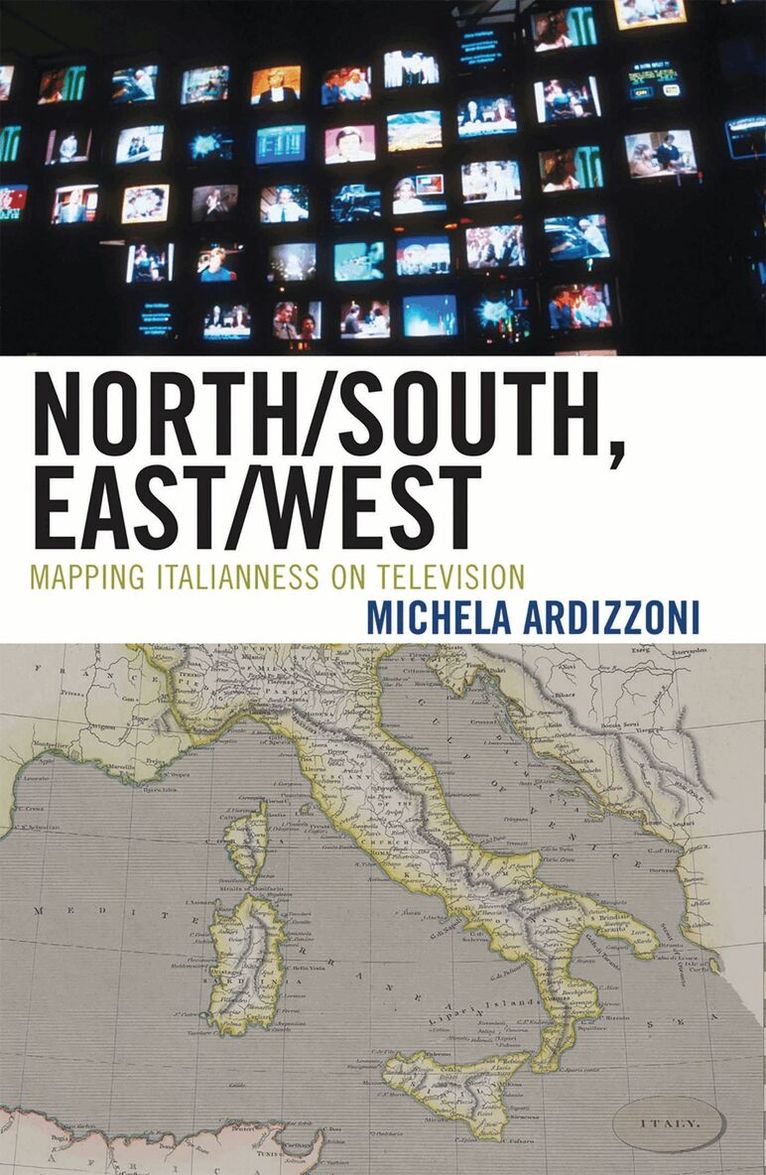
    North/South, East/West

    Mapping Italianness on Television

    AvMichela Ardizzoni

    Häftad, Engelska, 2007

    745 kr

    Beställningsvara. Skickas inom 10-15 vardagar. Fri frakt över 249 kr.

    Fler format och utgåvor

    Inbunden

    1 408 kr

    Beskrivning

    North/South, East/West focuses on the visual and discursive representation of identity promoted by public and private Italian national television at the turn of the twenty-first century. Michela Ardizzoni examines the role of politics, conglomeration, immigration, and satellite technology in framing discourses of gender, ethnic, and regional identities. In a time of social and political change for Italy, characterized by the increased visibility of ethnic minorities and the rise to political power of Silvio Berlusconi, Italy's largest media mogul,North/South, East/West provides an in-depth textual analysis of current programs and their vision of identity.

    Produktinformation

    • Utgivningsdatum:2007-11-16
    • Mått:154 x 233 x 16 mm
    • Vikt:286 g
    • Format:Häftad
    • Språk:Engelska
    • Antal sidor:192
    • Förlag:Bloomsbury Publishing Plc
    • ISBN:9780739115763

    Utforska kategorier

    • Television inom Kultur

    Mer om författaren

    Michela Ardizzoni is visiting assistant professor at the University of Louisville in the departments of communication and women's and gender studies.

    Recensioner i media

    Ardizzoni has given us a theoretically sophisticated and extraordinarily well-researched study of contemporary Italian television that seeks to understand the meaning of national identity in Europe in the face of the cultural transformations wrought by immigration and globalization. From its close analysis of the broadcast industry to its comprehension of the intricacies of Italian culture, this book's insights should earn it a significant place in scholarly and public debates about the status of the nation and its peoples in an era of media globalization.

    Innehållsförteckning

    • Chapter 1. Introduction: Articulating Identity, Globalization, and Italian TelevisionChapter 2. The Italian Television Industry: Politics, Commercialism, and New FrontiersChapter 3. Watching Italy Between the Regional and the GlobalChapter 4. Through the Ethnic Lens: National Identity on TelevisionChapter 5. Engendering the Nation: Women and Identity on National TelevisionChapter 6. The Cultural Politics of Italian Television: Some Conclusions