• Fri frakt över 249 kr
  • •
  • Snabba leveranser
  • •
  • Billiga böcker
Kundservice

Du är på sajten för privatpersoner.

Företag, bibliotek eller offentlig verksamhet?

Du handlar på classic.bokus.com, där alla dina funktioner finns intakta.
Till classic.bokus.com
Bokus logotyp. Gå till startsidan.
  • Erbjudanden
  • Nyheter
  • Student
  • Topplistor
  • Barn & ungdom
  • Bokus Play
  • E-böcker
  • Pocketböcker
  • Spel & pussel

10% rabatt på allt med kod: NYSTART10 →

Sidfot

Mina sidor

    Hjälp

    • Kundservice
    • Vanliga frågor och svar
    • Frakt och leverans
    • Retur vid ångerrätt
    • Reklamera vara
    • Betalning
    • Köpvillkor
    • Allmänna villkor
    • Information om webbplatsens tillgänglighet

    Om Bokus

    • Om oss
    • Pressrum
    • För studenter
    • För företag
    • För bibliotek och offentlig verksamhet
    • För leverantörer
    • Hållbarhet

    Populärt

    • Aktuella erbjudanden
    • Presentkort
    • Studentlitteratur
    • Nya böcker
    • Topplistor
    • Signerade böcker
    • Engelska böcker

    Inspiration

    • Boktips
    • BookTok
    • Populära bokserier
    • Barnbokskaraktärer
    • Populära författare
    Logotyp för Bokus
    Följ oss på Facebook (extern länk)Följ oss på Instagram (extern länk)Följ oss på YouTube (extern länk)Följ oss på TikTok (extern länk)
    bokus @ CookiesAnpassa cookiesIntegritetspolicyKöpvillkor
    Till Citymail hemsida (extern länk)Till Budbee hemsida (extern länk)Till Postnord hemsida (extern länk)Till Schenker hemsida (extern länk)Till Early Bird hemsida (extern länk)Till Walleys hemsida (extern länk)
    1. Historia och arkeologi
    2. Historia
    3. Afrikas historia

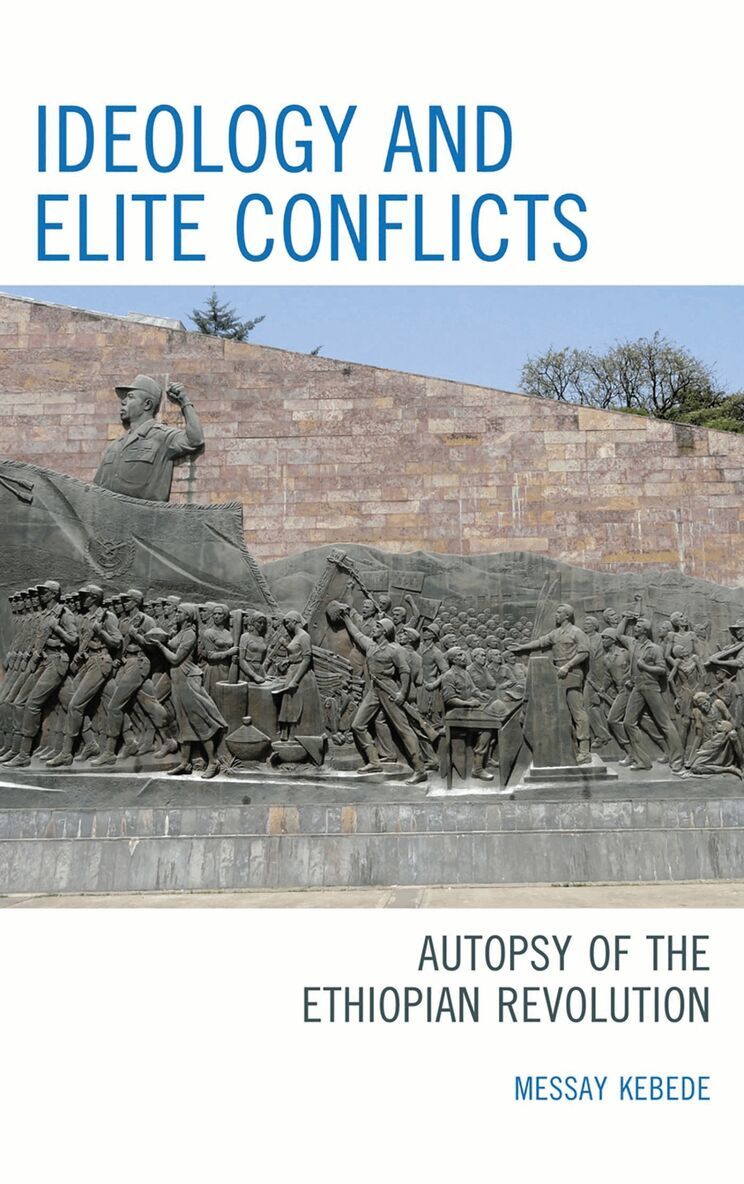
    Ideology and Elite Conflicts

    Autopsy of the Ethiopian Revolution

    AvMessay Kebede

    Inbunden, Engelska, 2011

    1 867 kr

    Beställningsvara. Skickas inom 10-15 vardagar. Fri frakt över 249 kr.

    Beskrivning

    The book provides a theoretical explanation of the major outcomes of Ethiopia's social revolution, namely, the overthrow of Emperor Haile Selassie in 1974 and the implementation of a far-reaching Marxist-Leninist revolution by a military committee (the Derg) and its collapse in 1991. The book extensively discusses the question of knowing whether existing theories of revolution throw light on the eruption of a radical revolution in Ethiopia and, most of all, whether they can accommodate the major anomaly of a socialist revolution being executed by a military committee that radicalized after the removal of the imperial regime. Hence the central thesis of the book: both the overthrow of the monarchical order and the radicalization of the Derg must be tied to social conditions that exasperated elite conflicts for scarce resources, with the consequence that the espousal of radical ideologies (socialism and ethnonationalism) became the sole avenue for the exclusive control of state power. Moreover, the book shows how the struggle of exclusive elites for the control of the state explains the Derg's need to put its fate in the hands of a providential leader, to wit, Mengistu Haile Mariam. In light of the theoretical debate over the role of charismatic leaders in history, the book establishes how Mengistu's narcissism led him to become the sole owner of the revolution and how his dictatorial rule brought about his own demise and that of the Derg, following the military defeat of the Ethiopian army in the hands of ethnonationalist insurgents. Another fundamental contribution of the book is a theoretical articulation of political conflicts and ideology that critically intervenes in the divisive issue of the primary cause of revolutions. Granted that ideology is more of a justification than a drive, the Ethiopian case illustrates how conflicts between mutually exclusive elites favor the path of political outbidding mobilizing utopian projects so as to galvanize the support of the masses. The perceived transcendence

    Produktinformation

    • Utgivningsdatum:2011-09-22
    • Mått:162 x 240 x 35 mm
    • Vikt:785 g
    • Format:Inbunden
    • Språk:Engelska
    • Antal sidor:396
    • Förlag:Bloomsbury Publishing Plc
    • ISBN:9780739137963

    Utforska kategorier

    • Afrikas historia inom Historia och arkeologi
    • Statsvetenskap och politisk teori inom Samhälle och politik
    • Revolutioner och uppror inom Historia och arkeologi

    Mer om författaren

    Messay Kebede is professor of philosophy at the University of Dayton, Ohio.

    Recensioner i media

    There are books, and then there are Books. Messay Kebede has written a Book. With sustained analytical brilliance, he demonstrates how understanding Ethiopia contributes to the understanding of the world. Ideology and Elite Conflicts represents a major achievement in combining comparative history with political and cultural analysis, all set within a philosophical frame.

    Innehållsförteckning

    • Chapter 1. Controversies over the Nature of the Ethiopian Social ChangeChapter 2. Theories of Revolution and the Ethiopian DiscrepanciesChapter 3. Ideology and Power StruggleChapter 4. Subjective Conditions of Social RevolutionsChapter 5. The Ideological Origins of Haile Selassie's RegimeChapter 6. Sociopolitical Origins of Haile Selassie's RegimeChapter 7. The Politics of Cooptation: Strengths and WeaknessesChapter 8. Social Blockage and Rising DiscontentChapter 9. The Ethiopian Military and the Formation of the DergChapter 10. Disputes over the Radicalization of the DergChapter 11. Power Struggle and RadicalizationChapter 12. Conflicts for Power and the Rise of Mengistu Haile MariamChapter 13. Narcissism and RevolutionChapter 14. Ethnonationalism and Political CompetitionChapter 15. The Fall of Mengistu and the DergChapter 16. Why Social Revolutions Fail?Chapter 17. Philosophical Extensions