• Fri frakt över 249 kr
  • •
  • Snabba leveranser
  • •
  • Billiga böcker
Kundservice

Du är på sajten för privatpersoner.

Företag, bibliotek eller offentlig verksamhet?

Du handlar på classic.bokus.com, där alla dina funktioner finns intakta.
Till classic.bokus.com
Bokus logotyp. Gå till startsidan.
  • Erbjudanden
  • Nyheter
  • Student
  • Topplistor
  • Barn & ungdom
  • Bokus Play
  • E-böcker
  • Pocketböcker
  • Spel & pussel

10% rabatt på allt med kod: NYSTART10 →

Sidfot

Mina sidor

    Hjälp

    • Kundservice
    • Vanliga frågor och svar
    • Frakt och leverans
    • Retur vid ångerrätt
    • Reklamera vara
    • Betalning
    • Köpvillkor
    • Allmänna villkor
    • Information om webbplatsens tillgänglighet

    Om Bokus

    • Om oss
    • Pressrum
    • För studenter
    • För företag
    • För bibliotek och offentlig verksamhet
    • För leverantörer
    • Hållbarhet

    Populärt

    • Aktuella erbjudanden
    • Presentkort
    • Studentlitteratur
    • Nya böcker
    • Topplistor
    • Signerade böcker
    • Engelska böcker

    Inspiration

    • Boktips
    • BookTok
    • Populära bokserier
    • Barnbokskaraktärer
    • Populära författare
    Logotyp för Bokus
    Följ oss på Facebook (extern länk)Följ oss på Instagram (extern länk)Följ oss på YouTube (extern länk)Följ oss på TikTok (extern länk)
    bokus @ CookiesAnpassa cookiesIntegritetspolicyKöpvillkor
    Till Citymail hemsida (extern länk)Till Budbee hemsida (extern länk)Till Postnord hemsida (extern länk)Till Schenker hemsida (extern länk)Till Early Bird hemsida (extern länk)Till Walleys hemsida (extern länk)
    1. Ekonomi och Ledarskap
    2. Nationalekonomi
    3. Ekonomisk historia

    World Bank

    A Critical History

    AvÉric Toussaint

    Inbunden, Engelska, 2023

    899 kr

    Beställningsvara. Skickas inom 5-8 vardagar. Fri frakt över 249 kr.

    Fler format och utgåvor

    Häftad

    303 kr

    Beskrivning

    In 1944, the Bretton Woods Conference ushered in a new international economic order. The World Bank emerged as one of the most powerful financial institutions in the world, and a new colonial authority in all but name. But how does it operate, who funds it, and what agenda does it work to promote?In The World Bank: A Critical History, Eric Toussaint answers all of these questions and more. Offering up a highly readable yet uniquely authoritative account, the book analyses the World Bank from its beginnings to the present day. Chapters on gender, climate and the pandemic era complement the peerless research that informed Toussaint's 2007 classic, The World Bank: A Critical Primer, and provide the reader with a truly contemporary, definitive text.Seven international case studies illustrate the impact of World Bank policy, and Toussaint also explores the political, economic and strategic motives of the US government with regard to the World Bank. The book concludes with a proposal for replacing the World Bank, IMF and WTO with new, multilateral and democratic institutions.

    Produktinformation

    • Utgivningsdatum:2023-08-20
    • Mått:153 x 234 x 39 mm
    • Vikt:652 g
    • Format:Inbunden
    • Språk:Engelska
    • Antal sidor:432
    • Förlag:Pluto Press
    • Medarbetare:Gilbert Achcar
    • ISBN:9780745348285

    Utforska kategorier

    • Ekonomisk historia inom Ekonomi och Ledarskap
    • Internationell ekonomi inom Ekonomi och Ledarskap
    • Makroekonomi inom Ekonomi och Ledarskap

    Mer om författaren

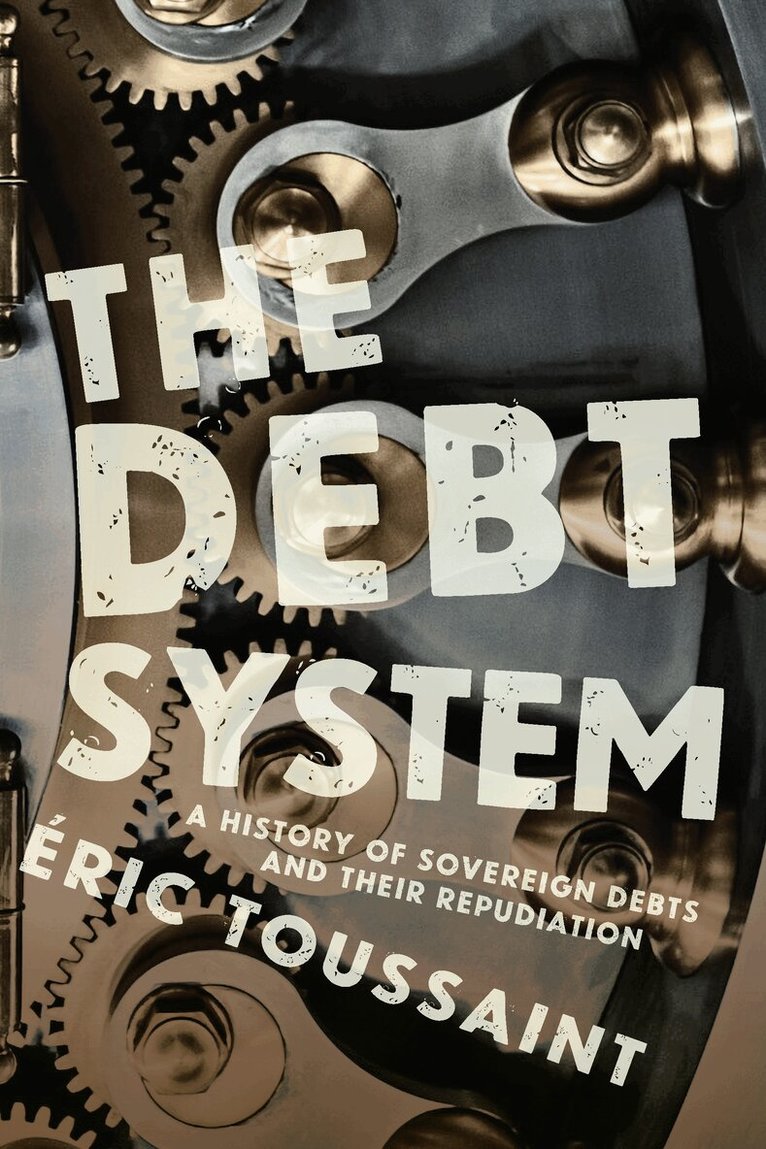
    Éric Toussaint is a historian and political scientist with a PhD from the Universities of Paris VIII and Liège. He is spokesperson for the CADTM (Committee for the Abolition of Illegitimate Debt) of which he is one of the founding members. He took part in the process that launched the World Social Forum in 2001. He is the author of numerous books, including The Debt System; Bankocracy, and Debt, the IMF, and the World Bank: Sixty Questions, Sixty Answers.Gilbert Achcar teaches at the School of Oriental and African Studies.

    Recensioner i media

    'Superior … a broad ranging guide that explains the global power structure over the last eight decades. The history of the World Bank and its frequent support of dictatorships in the Global South clarifies the nexus between high finance and power politics.'

    Innehållsförteckning

    • ForewordTerminology: South/North – Developing/Developed. Just What Are We Talking About?Chapter 1 – The Origins of the Bretton Woods InstitutionsChapter 2 – The First Years of the World Bank (1946-1962)Chapter 3 – Difficult Beginnings Between the Un and the World BankChapter 4 –The Post-world War II Context – the Marshall Plan and the London Agreement onGermany’s DebtChapter 5 – A Bank Under InfluenceChapter 6 –World Bank and IMF Support for DictatorshipsChapter 7 – The World Bank and the Philippines (1946–1990)Chapter 8 – The World Bank’s Support for the Dictatorship in TurkeyChapter 9 – The Bank in Indonesia: a Textbook Case of InterventionChapter 10 – The World Bank’s Theoretical Falsehoods Regarding DevelopmentChapter 11 – South Korea: the “miracle” UnmaskedChapter 12 – The Debt TrapChapter 13 – The World Bank Saw the Debt Crisis LoomingChapter 14 – The Mexican Debt Crisis and the World BankChapter 15 – The World Bank and the IMF: the Creditors’ EnforcersChapter 16 – Presidents Barber Conable and Lewis Preston (1986-1995)Chapter 17 – Rwanda: the Genocide’s FinanciersChapter 18 – James Wolfensohn Switches on the Charm (1995-2005)Chapter 19 – Debates in Washington at the Start of the Twenty-first CenturyChapter 20 – Structural Adjustment and the Washington Consensus Were Not Abandoned in 2000Chapter 21 – Climate and the Environmental Crisis: Sorcerer’s Apprentices at the World Bank and the IMFChapter 22 – Paul Wolfowitz (2005–2007): an Architect of the Invasion of Iraq at the Head of the World BankChapter 23 – Ecuador: Progress and the Limits of Resistance to the Policies of the World Bank, the IMF and Other CreditorsChapter 24 – The US President’s Men Keep Control of the World BankChapter 25 – The IMF and the World Bank in the Time of Coronavirus: the Failed Campaign for a New ImageChapter 26 – The World Bank Did Not Foresee the Arab Spring Popular Uprisings and Still Promotes the Very Same Policies That Triggered ThemChapter 27 – The “Gender Equity” Farce: a Feminist Reading of World Bank PoliciesChapter 28 – The World Bank and Human RightsChapter 29 – Time to Put an End to World Bank ImpunityChapter 30 – The Case for Abolishing and Replacing the IMF and the World Bank AnnexesAnnex 1: The World Bank: an ABCAnnex 2: The International Monetary Fund (IMF): an ABC GlossaryBibliography of Works CitedWorks by Eric Toussaint Published in EnglishTable of TablesTable of Graphs