• Fri frakt över 249 kr
  • •
  • Snabba leveranser
  • •
  • Billiga böcker
Kundservice

Du är på sajten för privatpersoner.

Företag, bibliotek eller offentlig verksamhet?

Du handlar på classic.bokus.com, där alla dina funktioner finns intakta.
Till classic.bokus.com
Bokus logotyp. Gå till startsidan.
  • Erbjudanden
  • Nyheter
  • Student
  • Topplistor
  • Barn & ungdom
  • Bokus Play
  • E-böcker
  • Pocketböcker
  • Spel & pussel

Må bättre, för mindre! Upp till 50% rabatt på hälsoböcker

Sidfot

Mina sidor

    Hjälp

    • Kundservice
    • Vanliga frågor och svar
    • Frakt och leverans
    • Retur vid ångerrätt
    • Reklamera vara
    • Betalning
    • Köpvillkor
    • Allmänna villkor
    • Information om webbplatsens tillgänglighet

    Om Bokus

    • Om oss
    • Pressrum
    • För studenter
    • För företag
    • För bibliotek och offentlig verksamhet
    • För leverantörer
    • Hållbarhet

    Populärt

    • Aktuella erbjudanden
    • Presentkort
    • Studentlitteratur
    • Nya böcker
    • Topplistor
    • Signerade böcker
    • Engelska böcker

    Inspiration

    • Boktips
    • BookTok
    • Populära bokserier
    • Barnbokskaraktärer
    • Populära författare
    Logotyp för Bokus
    Följ oss på Facebook (extern länk)Följ oss på Instagram (extern länk)Följ oss på YouTube (extern länk)Följ oss på TikTok (extern länk)
    bokus @ CookiesAnpassa cookiesIntegritetspolicyKöpvillkor
    Till Citymail hemsida (extern länk)Till Budbee hemsida (extern länk)Till Postnord hemsida (extern länk)Till Schenker hemsida (extern länk)Till Early Bird hemsida (extern länk)Till Walleys hemsida (extern länk)
    1. Filosofi och religion
    2. Religion och tro
    3. Islam

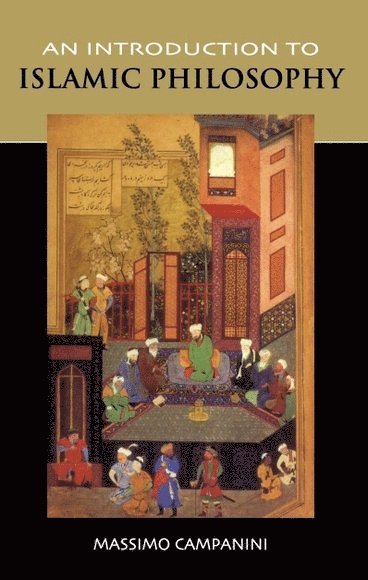
    Introduction to Islamic Philosophy

    AvMassimo Campanini

    Häftad, Engelska, 2008

    666 kr

    Beställningsvara. Skickas inom 3-6 vardagar. Fri frakt över 249 kr.

    Beskrivning

    This broad introduction presents a survey of Islamic philosophy as it evolved in the Middle Ages, investigating how Islamic philosophers thought and what they thought about.The book is divided into two parts: the first part explores the epistemological foundations of Islamic philosophy and discusses the most important and penetrating interpretative paradigms proposed by the philosophers; the second part describes some of their major themes. Each chapter is organised chronologically and geographically, providing the reader with a lucid profile of the evolution of Islamic philosophical thought, with reference to specific themes within the broader framework of Islamic history. Throughout the author includes extracts of translations from primary sources, allowing the philosophers to speak for themselves.Rather than offering a complete history of the subject, the author aims to stimulate the reader to pursue the themes he outlines in the book: the ideas that were consistently the object of philosophical speculation among Medieval Muslim thinkers whose philosophy was rooted in Platonic and Aristotelian thought.This book is ideal for students wishing to trace the background to many ideas and thought processes governing contemporary Islamic thought.

    Produktinformation

    • Utgivningsdatum:2008-02-20
    • Mått:138 x 216 x 12 mm
    • Vikt:254 g
    • Format:Häftad
    • Språk:Engelska
    • Antal sidor:208
    • Förlag:Edinburgh University Press
    • ISBN:9780748626083
    • Översättare:Caroline Higgitt

    Utforska kategorier

    • Islam inom Filosofi och religion
    • Filosofiska discipliner inom Filosofi och religion

    Mer om författaren

    Massimo Campanini is Professor of Arabic Culture at the University of Milan. His publications include The Theory of Socialism in Egypt (1987), Islam and Politics (1999) and The Virtuous City of al-Farabi (1996).

    Recensioner i media

    Campanini's book achieves everthing that a good introduction to Islamic Philosophy should achieve, and more. It is commendable for its clarity, sound argumentation, sensible organisation, and brevity. Its treatment of the relationship between philosophy and Islami - which defines this philosophical tradition - truly makes the book shine. The reader will close this short book with a firm understanding of what Islamic philosophy is at its core, a healthy appreciation for the Islamic philosophical tradition, and a desire to explore it further. -- W. Craig Streetman, University of Kentucky in Journal of Shi's Islamic Studies Vol II No. 4 (2009) Campanini's book achieves everthing that a good introduction to Islamic Philosophy should achieve, and more. It is commendable for its clarity, sound argumentation, sensible organisation, and brevity. Its treatment of the relationship between philosophy and Islami - which defines this philosophical tradition - truly makes the book shine. The reader will close this short book with a firm understanding of what Islamic philosophy is at its core, a healthy appreciation for the Islamic philosophical tradition, and a desire to explore it further.

    Innehållsförteckning

    • ForewordAcknowledgementsA Note on the TranslationPart One: Finding a ParadigmChapter 1: HistoryChapter 2: What is Medieval Islamic Philosophy?Chapter 3: Ways of PhilosophisingPart Two: Thought and Action: Some Major Themes in Islamic PhilosophyChapter 4: Tawhid, Pillar of Islamic ThoughtChapter 5: The Structure of the CosmosChapter 6: The Human IntellectChapter 7: Necessity or Freedom in Divine ActionChapter 8: Ethics and PoliticsNotesBibliography