• Fri frakt över 249 kr
  • •
  • Snabba leveranser
  • •
  • Billiga böcker
Kundservice

Du är på sajten för privatpersoner.

Företag, bibliotek eller offentlig verksamhet?

Du handlar på classic.bokus.com, där alla dina funktioner finns intakta.
Till classic.bokus.com
Bokus logotyp. Gå till startsidan.
  • Erbjudanden
  • Nyheter
  • Student
  • Topplistor
  • Barn & ungdom
  • Bokus Play
  • E-böcker
  • Pocketböcker
  • Spel & pussel

10% rabatt på allt med kod NYSTART10 →

Sidfot

Mina sidor

    Hjälp

    • Kundservice
    • Vanliga frågor och svar
    • Frakt och leverans
    • Retur vid ångerrätt
    • Reklamera vara
    • Betalning
    • Köpvillkor
    • Allmänna villkor
    • Information om webbplatsens tillgänglighet

    Om Bokus

    • Om oss
    • Pressrum
    • För studenter
    • För företag
    • För bibliotek och offentlig verksamhet
    • För leverantörer
    • Hållbarhet

    Populärt

    • Aktuella erbjudanden
    • Presentkort
    • Studentlitteratur
    • Nya böcker
    • Topplistor
    • Signerade böcker
    • Engelska böcker

    Inspiration

    • Boktips
    • BookTok
    • Populära bokserier
    • Barnbokskaraktärer
    • Populära författare
    Logotyp för Bokus
    Följ oss på Facebook (extern länk)Följ oss på Instagram (extern länk)Följ oss på YouTube (extern länk)Följ oss på TikTok (extern länk)
    bokus @ CookiesAnpassa cookiesIntegritetspolicyKöpvillkor
    Till Citymail hemsida (extern länk)Till Budbee hemsida (extern länk)Till Postnord hemsida (extern länk)Till Schenker hemsida (extern länk)Till Early Bird hemsida (extern länk)Till Walleys hemsida (extern länk)
    1. Filosofi och religion
    2. Religion och tro
    3. Islam

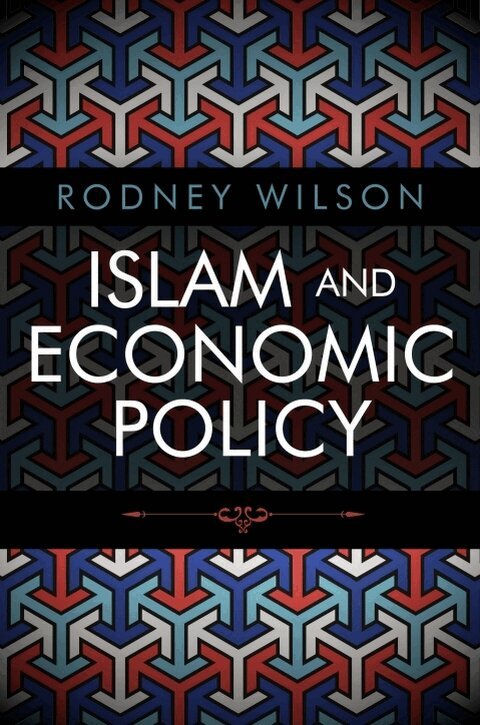
    Islam and Economic Policy

    An Introduction

    AvRodney Wilson

    Häftad, Engelska, 2015

    409 kr

    Beställningsvara. Skickas inom 11-20 vardagar. Fri frakt över 249 kr.

    Beskrivning

    Islamist political parties have enjoyed unprecedented election victories in recent times. The Islamic Revolution in Iran, the election of the Justice and Development Party in Turkey and the coming to power of Islamists, albeit briefly, after the Arab Spring, has changed the political landscape in the Middle East and has ramifications for the entire Muslim World. Yet the continuing success of these parties depends on their record on economic development and employment creation. Are their economic policies different from those of their autocratic predecessors? Have they been influenced by the writings of academic Islamist economists? This book looks at the impact of Islamic teaching on public economic policy and asks how Islamic economics differs from mainstream micro and macroeconomics.

    Produktinformation

    • Utgivningsdatum:2015-05-15
    • Mått:156 x 234 x 18 mm
    • Vikt:341 g
    • Format:Häftad
    • Språk:Engelska
    • Antal sidor:224
    • Förlag:Edinburgh University Press
    • ISBN:9780748683888

    Utforska kategorier

    • Islam inom Filosofi och religion
    • Internationell ekonomi inom Ekonomi och Ledarskap
    • Ekonomisk politik inom Ekonomi och Ledarskap

    Mer om författaren

    Professor Wilson was the founder of the Islamic finance programme at Durham University in the United Kingdom where he continues to be an Emeritus Professor. He was a Visiting Professor at the Qatar Faculty of Islamic Studies in from 2009 untill 2012 and since 2013 has been an Emeritus Professor at the International Centre of Education in Islamic Finance (INCEIF), Kuala Lumpur. Professor Wilson was awarded the IDB prize in Islamic banking in 2014 in recognition of his academic work on the subject.

    Recensioner i media

    With pragmatic policy guidelines from an Islamic perspective - the product of professional analysis by one of the most senior writers in Islamic economics and finance - this book is a crucial addition to the shelves of libraries, desks of corporate CEOs and top policy-makers.

    Innehållsförteckning

    • List of tables; Part 1: Ideas, themes and measures; 1. Economic philosophy from a Shari’ah perspective; 2. Microeconomic morality; 3. Fiscal policy choices to promote social justice; 4. Development policy; 5. International economic engagement; 6. Banking regulation, monetary policy and Islamic finance; Part 2. Country experiences; 7. Islam and economic modernisation in Turkey; 8. The Islamic Republic of Iran’s nationalist economic model; 9. The influence of the Muslim Brotherhood on Egypt’s economy; 10. Piety, inclusion and materialism in Saudi Arabia; 11. Faith and political economy in Pakistan and Bangladesh; 12. Asian versus Muslim identities in Malaysia and Indonesia; Postscript; Bibliography.