• Fri frakt över 249 kr
  • •
  • Snabba leveranser
  • •
  • Billiga böcker
Kundservice

Du är på sajten för privatpersoner.

Företag, bibliotek eller offentlig verksamhet?

Du handlar på classic.bokus.com, där alla dina funktioner finns intakta.
Till classic.bokus.com
Bokus logotyp. Gå till startsidan.
  • Erbjudanden
  • Nyheter
  • Student
  • Topplistor
  • Barn & ungdom
  • Bokus Play
  • E-böcker
  • Pocketböcker
  • Spel & pussel

10% rabatt på allt med kod NYSTART10 →

Sidfot

Mina sidor

    Hjälp

    • Kundservice
    • Vanliga frågor och svar
    • Frakt och leverans
    • Retur vid ångerrätt
    • Reklamera vara
    • Betalning
    • Köpvillkor
    • Allmänna villkor
    • Information om webbplatsens tillgänglighet

    Om Bokus

    • Om oss
    • Pressrum
    • För studenter
    • För företag
    • För bibliotek och offentlig verksamhet
    • För leverantörer
    • Hållbarhet

    Populärt

    • Aktuella erbjudanden
    • Presentkort
    • Studentlitteratur
    • Nya böcker
    • Topplistor
    • Signerade böcker
    • Engelska böcker

    Inspiration

    • Boktips
    • BookTok
    • Populära bokserier
    • Barnbokskaraktärer
    • Populära författare
    Logotyp för Bokus
    Följ oss på Facebook (extern länk)Följ oss på Instagram (extern länk)Följ oss på YouTube (extern länk)Följ oss på TikTok (extern länk)
    bokus @ CookiesAnpassa cookiesIntegritetspolicyKöpvillkor
    Till Citymail hemsida (extern länk)Till Budbee hemsida (extern länk)Till Postnord hemsida (extern länk)Till Schenker hemsida (extern länk)Till Early Bird hemsida (extern länk)Till Walleys hemsida (extern länk)
    1. Naturvetenskap och teknik
    2. Matematik och naturvetenskap
    3. Naturvetenskap:allmänt

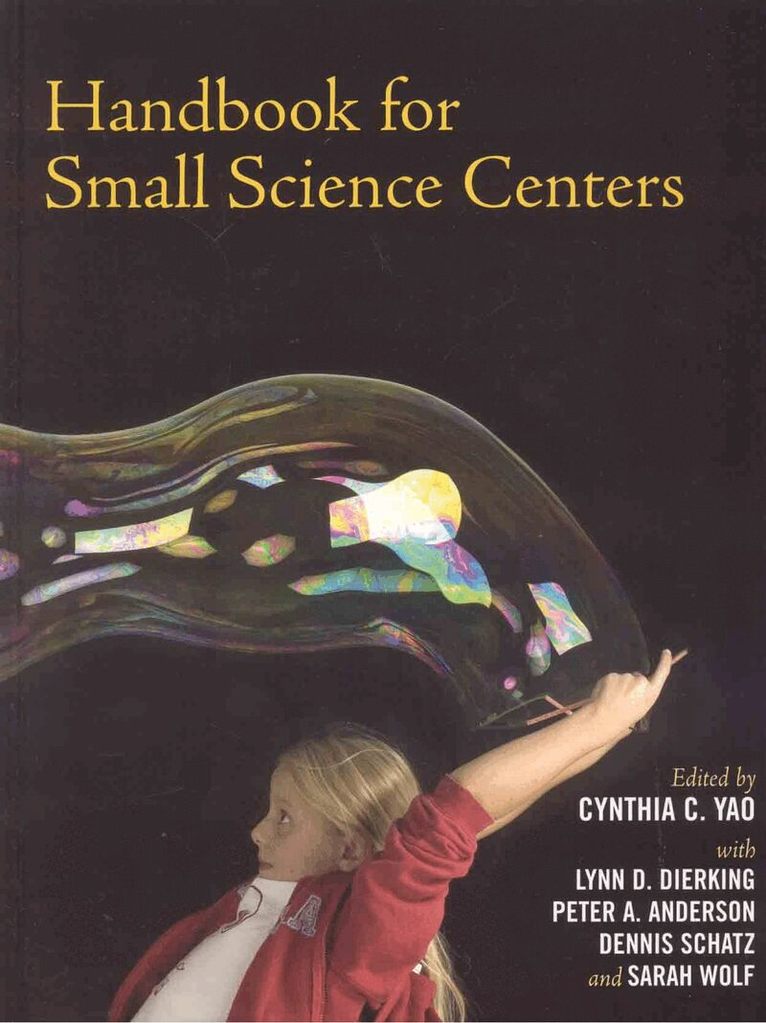
    Handbook for Small Science Centers

    AvCynthia C. Yao,Lynn D. Dierking

    Inbunden, Engelska, 2006

    1 618 kr

    Tillfälligt slut

    Beskrivning

    There has been, and continues to be, an explosion of interest in developing new small science centers that is changing the world of museums. This handbook is designed to be a one-stop source for future and current centers, and anyone interested in the important roles these institutions play in their communities. With articles—all written by leaders in field—covering everything from administration, staffing, finance, marketing, exhibit design, and beyond, this comprehensive resource will be essential reading for institutions that are operating successfully, struggling to survive, and those planning major expansions.

    Produktinformation

    • Utgivningsdatum:2006-10-10
    • Mått:222 x 284 x 26 mm
    • Vikt:1 125 g
    • Format:Inbunden
    • Språk:Engelska
    • Antal sidor:328
    • Förlag:AltaMira Press
    • ISBN:9780759106529

    Utforska kategorier

    • Naturvetenskap:allmänt inom Naturvetenskap och teknik

    Mer om författaren

    Cynthia C. Yao is the founder of the Ann Arbor Hands-On Museum and was responsible for its establishment, vision, leadership, management and success as Executive Director from August 1978 to April 2000. She has a graduate degree in Museum Practice (MMP) from the University of Michigan. In October 2005, Cynthia was inducted in the Michigan WomenOs Hall of Fame and received the life achievement award of the Michigan WomenOs Studies Association for the founding and success of the Ann Arbor Hands-On Museum.

    Recensioner i media

    Imagine sitting in a comfortable setting with fifty-five kind, experienced, generous, and almost parental nurturers who reveal all their museum secrets to you so that your personal dream of creating a small science or children's museum can be realized. Consider this book the equivalent of conversations with knowledgeable elders who tell stories containing all the juicy expertise you need, available just when you need it. Keep it by your bedside but keep a pen and paper handy.

    Innehållsförteckning

    • Chapter 1 Foreword Chapter 2 Preface and Acknowledgments Part 3 I. Central Case Study Chapter 4 1. The Ann Arbor Hands-On Museum: From Dream to Reality Part 5 II. Case Studies of Other Small Science Centers and Start-Ups Chapter 6 2. Developing in Phases:A Case History Chapter 7 3. Hockey, Nickel Mines, and the Pursuit of a Vision: Getting it Done at Science North Chapter 8 4. Once Small Center's Story: Grass Roots Thrive on Flexibility Chapter 9 5. Focus and Balance for the Small Museum Chapter 10 6. Discovery Center Start-Up: Launch Pad in a Mall Chapter 11 7. Curious Kids' Museum Chapter 12 8. Science Spectrum: A Science Center for the South Plains of Texas Chapter 13 9. Science Center in a College: An Unabashadly Autobiographical Account Chapter 14 10. Science Projects: The Observatory Science Centre, Herstmonceux and Inspire Discovery Centre, Norwich Chapter 15 11. Experimentarium: A Fairy Tale from Hans Christian Andersen's Denmark Part 16 III. Getting Started and Running a Science Center Chapter 17 12. Planning the Building Chapter 18 13. Sci-Port Discovery Center: How We Operate and Position Our Science Center for Ongoing Success Chapter 19 14. Over the Top: Building Resources to Open and Grow Chapter 20 15. Marketing Basics: Applications for Small Science Centers Chapter 21 16. The Science Shop at Science Spectrum Part 22 IV. Exhibits Chapter 23 17. Decision Making on Purpose: Translating Organizational Identity into Effective Experiences Chapter 24 18. Making Effective Exhibits for Rewarding Visitor Experiences Chapter 25 19. Learning from My Mistakes Chapter 26 20. The Use of Objects in a Small Science Center Part 27 V. Creating Special Exhibits Spaces Chapter 28 21. Discovery Spaces: Small Museums within a Large Museum Chapter 29 22. Creating Developmentally Appropriate Early Childhood Spaces in Science Centers Chapter 30 23. Outdoor Science Parks: Going Beyond the Walls Chapter 31 24. Traveling Exhibitions: Rationales and Strategies for the Small Museums Part 32 VI. Education Programs Chapter 33 25. Developing an Educational Plan Chapter 34 26. Building Capacity to Work with Schools Chapter 35 27. The Why and How of Doing Outreach Programming: Fulfilling My Fantasy Chapter 36 28. Fifty Years of Museum School Chapter 37 29. Promoting Public Understanding of Research through Family Science Programs at MIT Part 38 VII. Working in a Science Center Chapter 39 30. Leading and Implementing Innovation in Your Science Museum Chapter 40 31. Hiring, Supporting, and Developing Museum Educators for Your Science Center Chapter 41 32. Explainers: Youth Development at the Exploratorium Part 42 VIII. Audience Chapter 43 33. Understanding Your Audience Chapter 44 34. Girls, Boys, Moms, and Dads: Learning about Their Different Needs in Science Museums Chapter 45 35. Evaluation 101 Part 46 IX. Governance Chapter 47 36. Working Model: A Mechanism for the Effective Board Chapter 48 37. Code of Ethics for Museums Part 49 X. Transitions Chapter 50 38. Building a Sustainable Future Chapter 51 39. Renovation as Innovation: SciWorks, the Science Center and Environmental Park of Forsyth County Chapter 52 40. Collaborations: From Sharing a Museum Site to Winning NSF Grants Chapter 53 41. Exploration Place: Science Center and Children's Museum Combined Chapter 54 42. From Little Acorns Chapter 55 43. The Tech: The Challenges of Growing from Small to Large Chapter 56 44. How to Foster Innovation within Your Science-Technology Center: Observations from Under the Seat Cushion Part 57 XI. Overview of Science Centers Chapter 58 45. Science Center History Chapter 59 46. Fanning the Flames: The Exploratorium at the Birth of the Science Center Movement Chapter 60 47. SESAME Program: The Impact of a PhD Program on Science Museums Chapter 61 48. Science and Discovery Centers: The European Perspective Part 62 XII. Science Centers and the Future Chapter 63 49. Developing a New Business Model for Science Centers Chapter 64 50. Reality, Variety, and Ingenuity: Futures for Science Centers Part 65 XIII. Resources Chapter 66 Appendix A. Resources for Exhibit Fabrication Chapter 67 Appendix B. ASTC and Related Organizations Chapter 68 Appendix C. Directory of Science Centers, Institutions, and Individuals Represented Chapter 69 Index Chapter 70 About the Authors