• Fri frakt över 249 kr
  • •
  • Snabba leveranser
  • •
  • Billiga böcker
Kundservice

Du är på sajten för privatpersoner.

Företag, bibliotek eller offentlig verksamhet?

Du handlar på classic.bokus.com, där alla dina funktioner finns intakta.
Till classic.bokus.com
Bokus logotyp. Gå till startsidan.
  • Erbjudanden
  • Student
  • Topplistor
  • Barn & ungdom
  • Bokus Play
  • E-böcker
  • Ljudböcker
  • Pocketböcker
  • Spel och pussel

Pocketfynda! Hundratals böcker för 49 kr/st →

Sidfot

Mina sidor

    Hjälp

    • Kundservice
    • Vanliga frågor och svar
    • Frakt och leverans
    • Retur vid ångerrätt
    • Reklamera vara
    • Betalning
    • Köpvillkor
    • Allmänna villkor
    • Information om webbplatsens tillgänglighet

    Om Bokus

    • Om oss
    • Pressrum
    • För studenter
    • För företag
    • För bibliotek och offentlig verksamhet
    • För leverantörer
    • Hållbarhet

    Populärt

    • Aktuella erbjudanden
    • Presentkort
    • Studentlitteratur
    • Nya böcker
    • Topplistor
    • Signerade böcker
    • Engelska böcker

    Inspiration

    • Boktips
    • BookTok
    • Barnbokskaraktärer
    • Populära författare
    Logotyp för Bokus
    Följ oss på Facebook (extern länk)Följ oss på Instagram (extern länk)Följ oss på YouTube (extern länk)Följ oss på TikTok (extern länk)
    bokus @ CookiesAnpassa cookiesIntegritetspolicyKöpvillkor
    Till Citymail hemsida (extern länk)Till Budbee hemsida (extern länk)Till Postnord hemsida (extern länk)Till Schenker hemsida (extern länk)Till Early Bird hemsida (extern länk)Till Walleys hemsida (extern länk)
    1. Historia och arkeologi
    2. Historia
    3. Militärhistoria
    4. Första världskriget

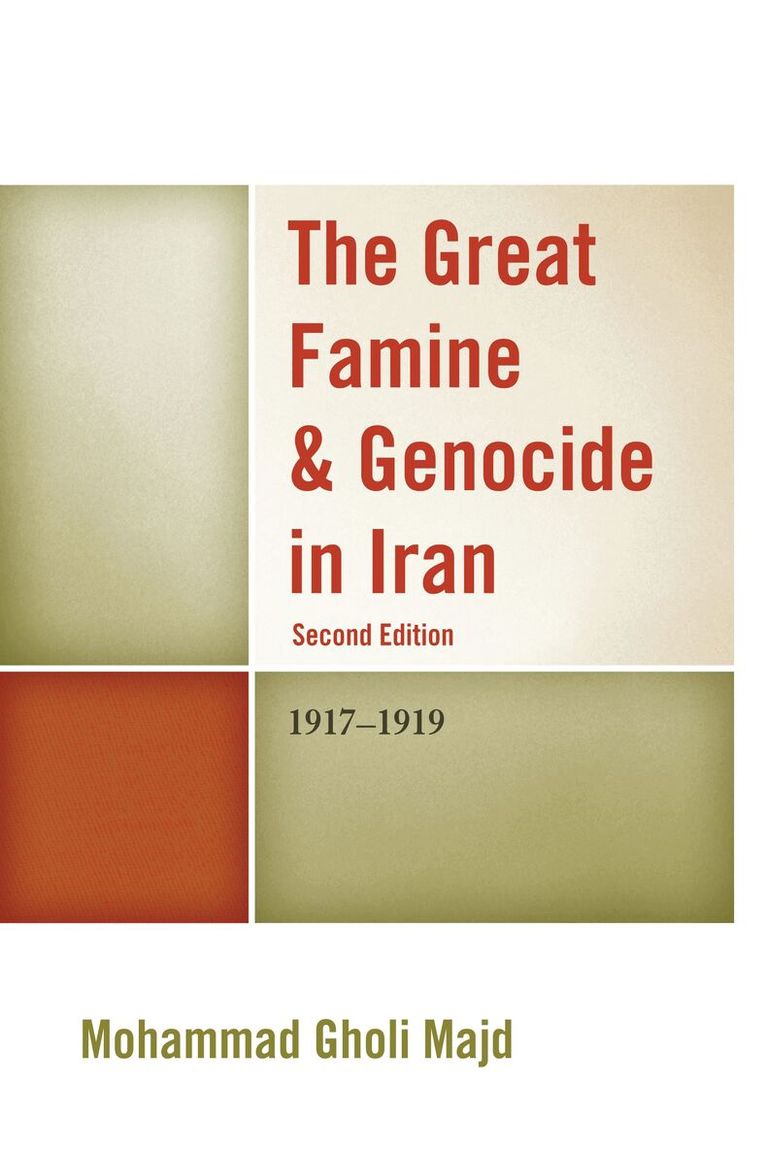
    Great Famine & Genocide in Iran

    1917-1919

    AvMohammad Gholi Majd

    Häftad, Engelska, 2013

    Del i serien University Press of America

    519 kr

    Beställningsvara. Skickas inom 10-15 vardagar. Fri frakt över 249 kr.

    Fler format och utgåvor

    E-bok

    560 kr

    Beskrivning

    At least 8–10 million Iranians out of a population of 18–20 million died of starvation and disease during the famine of 1917–1919. The Iranian holocaust was the biggest calamity of World War I and one of the worst genocides of the 20th century, yet it remained concealed for nearly a century. The 2003 edition of this book relied primarily on US diplomatic records and memoirs of British officers who served in Iran in World War I, but in this edition these documents have been supplemented with US military records, British official sources, memoirs, diaries of notable Iranians, and a wide array of Iranian newspaper reports. In addition, the demographic data has been expanded to include newly discovered US State Department documents on Iran’s pre-1914 population. This book also includes a new chapter with a detailed military and political history of Iran in World War I. A work of enduring value, Majd provides a comprehensive account of Iran’s greatest calamity.

    Produktinformation

    • Utgivningsdatum:2013-07-19
    • Mått:153 x 227 x 17 mm
    • Vikt:318 g
    • Format:Häftad
    • Språk:Engelska
    • Serie:University Press of America
    • Antal sidor:208
    • Upplaga:2
    • Förlag:University Press of America
    • ISBN:9780761861676

    Utforska kategorier

    • Första världskriget inom Historia och arkeologi
    • Mellanösterns historia inom Historia och arkeologi
    • Internationella relationer inom Samhälle och politik

    Mer om författaren

    Mohammad Gholi Majd is the author of numerous books on Iranian history during the 20th century. He holds a PhD in agricultural economics from Cornell University.

    Recensioner i media

    Majd brings the Persian famine, an issue that in the past has received very little attention, to the forefront.

    Innehållsförteckning

    • 1. Introduction2. Iran in World War I3. The Great Famine of 1917-1919: A Documentary Account4. A Veritable Holocaust: The Decline in the Population of Iran5. Depriving Iran of Food6. The Financial Strangulation7. Blaming the Russians and the Iranians8. Versailles and the Onset of the Cover-upAppendixIndex