• Fri frakt över 249 kr
  • •
  • Snabba leveranser
  • •
  • Billiga böcker
Kundservice

Du är på sajten för privatpersoner.

Företag, bibliotek eller offentlig verksamhet?

Du handlar på classic.bokus.com, där alla dina funktioner finns intakta.
Till classic.bokus.com
Bokus logotyp. Gå till startsidan.
  • Erbjudanden
  • Nyheter
  • Student
  • Topplistor
  • Barn & ungdom
  • Bokus Play
  • E-böcker
  • Pocketböcker
  • Spel & pussel

10% rabatt på allt med kod: NYSTART10 →

Sidfot

Mina sidor

    Hjälp

    • Kundservice
    • Vanliga frågor och svar
    • Frakt och leverans
    • Retur vid ångerrätt
    • Reklamera vara
    • Betalning
    • Köpvillkor
    • Allmänna villkor
    • Information om webbplatsens tillgänglighet

    Om Bokus

    • Om oss
    • Pressrum
    • För studenter
    • För företag
    • För bibliotek och offentlig verksamhet
    • För leverantörer
    • Hållbarhet

    Populärt

    • Aktuella erbjudanden
    • Presentkort
    • Studentlitteratur
    • Nya böcker
    • Topplistor
    • Signerade böcker
    • Engelska böcker

    Inspiration

    • Boktips
    • BookTok
    • Populära bokserier
    • Barnbokskaraktärer
    • Populära författare
    Logotyp för Bokus
    Följ oss på Facebook (extern länk)Följ oss på Instagram (extern länk)Följ oss på YouTube (extern länk)Följ oss på TikTok (extern länk)
    bokus @ CookiesAnpassa cookiesIntegritetspolicyKöpvillkor
    Till Citymail hemsida (extern länk)Till Budbee hemsida (extern länk)Till Postnord hemsida (extern länk)Till Schenker hemsida (extern länk)Till Early Bird hemsida (extern länk)Till Walleys hemsida (extern länk)
    1. Historia och arkeologi
    2. Historia
    3. Europas historia

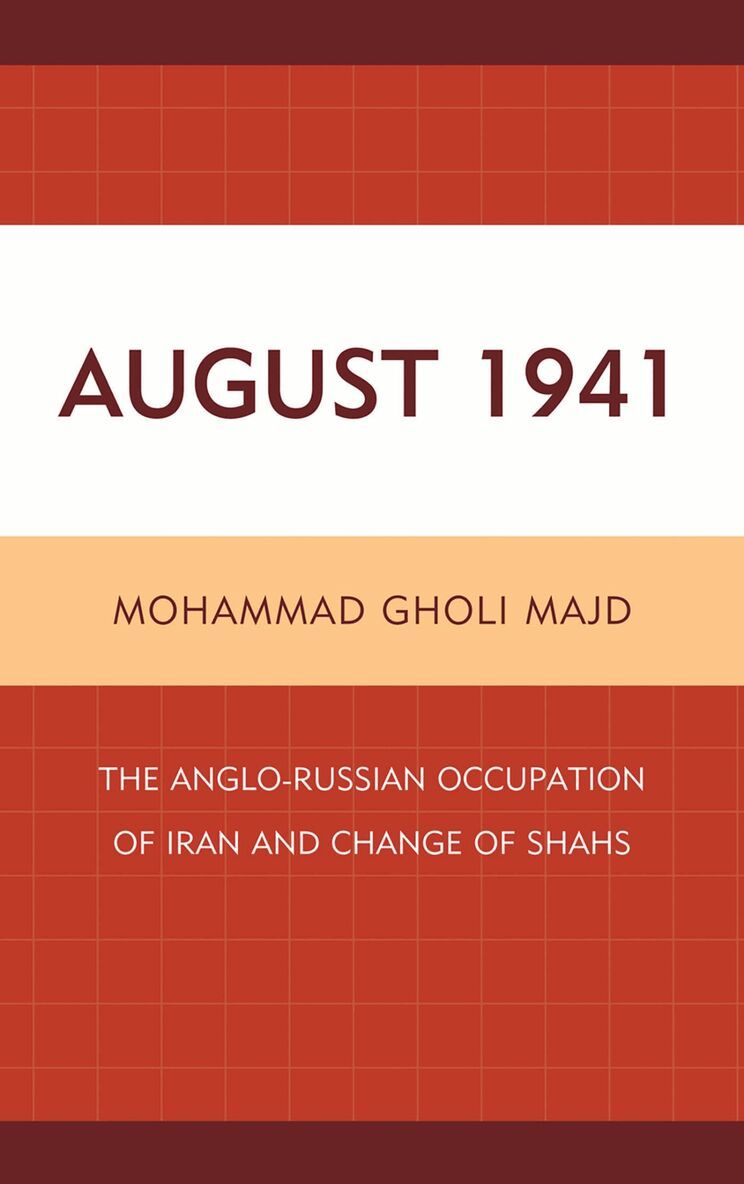
    Iran Under Allied Occupation In World War II

    The Bridge to Victory & A Land of Famine

    AvMohammad Gholi Majd

    Inbunden, Engelska, 2016

    1 722 kr

    Beställningsvara. Skickas inom 10-15 vardagar. Fri frakt över 249 kr.

    Fler format och utgåvor

    E-bok

    1 865 kr

    Beskrivning

    Occupied Iran in World War II became the most important supply route to Russia and source of fuel to the Allies. Having pledged to meet Iran’s “minimum needs”, the Allies commandeered the means of transport, seized food and fuel, severely restricted imports, forced Iran to print money, brought Polish refugees from Russia, and initially did little to contain the chaos and insecurity. The resulting famine and typhus epidemic of 1942-43 had claimed 4 million lives amounting to a quarter of the population. This was in addition to the 8-10 million lost in the Great Famine of 1917-19. Iran’s 1944 population was the same as 1900, a perfect case of a Malthusian Catastrophe. Having previously described the World War I famine, and using US diplomatic, military, and intelligence records, as well as primary British sources, Majd completes the task by also telling the story of the World War II Iranian famine.
    Produktinformation

    • Utgivningsdatum:2016-03-22
    • Mått:158 x 240 x 49 mm
    • Vikt:1 356 g
    • Format:Inbunden
    • Språk:Engelska
    • Antal sidor:748
    • Förlag:University Press of America
    • ISBN:9780761867388

    Utforska kategorier

    • Europas historia inom Historia och arkeologi
    • Andra världskriget inom Historia och arkeologi
    • Mellanösterns historia inom Historia och arkeologi

    Mer om författaren

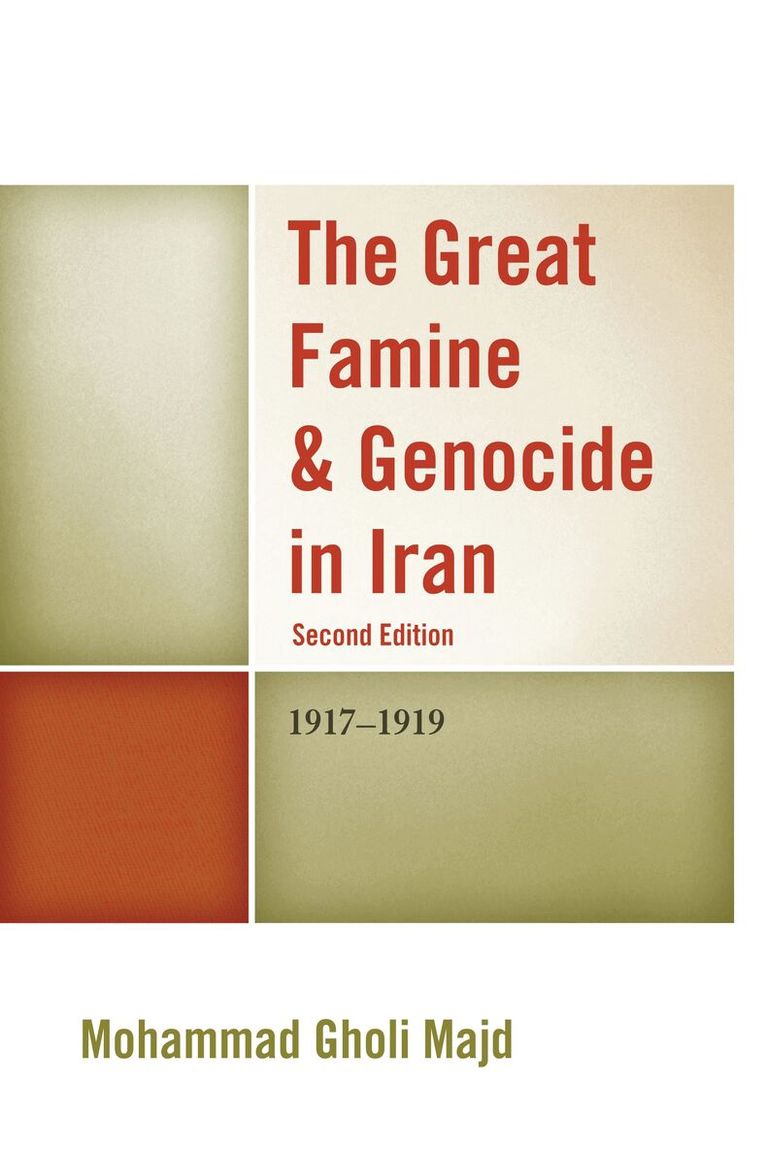
    Mohammad Gholi Majd is the author of The Great Famine & Genocide in Iran: 1917-1919 (2nd Edition). University Press of America, 2013, and other works on twentieth century Iranian history. He holds a PhD in agricultural economics from Cornell University.

    Recensioner i media

    Mohammad Gholi Majd’s latest book, which deals with food shortages and famine in Iran during the Second World War, and his previous work looking at the famine conditions experienced in Iran during the First World War, are welcome for the attention threat they focus on the much-neglected subject of the suffering of ordinary Iranians during the cataclysmic and often very violent upheavals which accompanied the arrival of modernity in Iran and the county’s incorporation into the emerging global economic and political systems…. Majd’s book, therefore, contributes to recent efforts to look beyond the concerns of the political elite in Tehran, who were not only remarkably unmoved by the spectacle of mass starvation but were themselves avid hoarders and speculators, towards the profound struggle for survival which the population of Iran was obliged to wage unceasingly and often unsuccessfully…. The book is therefore useful for researchers…[and] for methodological exercises for History Students.

    Innehållsförteckning

    • Chapter 1. IntroductionChapter 2. Fear of Soviet Mischief in Northern Iran and the Tripartite Treaty of AllianceChapter 3. Soheily Cabinet, Rupture with Japan, and Extension of Lend-Lease to IranChapter 4. Iranian Appeals and British Counteractions in WashingtonChapter 5. Currency and Exchange Dispute with Britain and Paucity of Oil RevenuesChapter 6. The Transportation Crisis and the Establishment of Road Transport BoardChapter 7. Iran and the Middle East Supply CenterChapter 8. The Middle East Supply Center and the Typhus VaccineChapter 9. The Supply of Pharmaceuticals and Sugar: Case Studies in the Functioning of MESCChapter 10. Influx of Polish Refugees from RussiaChapter 11. The American Red Cross and IranChapter 12. Deepening Crisis and Weakening of Soheily GovernmentChapter 13. Appointment of Qavam and Rising Friction with the BritishChapter 14. Renewed Financial Dispute and Tripartite Food DeclarationChapter 15. Tehran Bread RiotsChapter 16. Fall of Qavam and Re-Appointme