• Fri frakt över 249 kr
  • •
  • Snabba leveranser
  • •
  • Billiga böcker
Kundservice

Du är på sajten för privatpersoner.

Företag, bibliotek eller offentlig verksamhet?

Du handlar på classic.bokus.com, där alla dina funktioner finns intakta.
Till classic.bokus.com
Bokus logotyp. Gå till startsidan.
  • Erbjudanden
  • Nyheter
  • Student
  • Topplistor
  • Barn & ungdom
  • Bokus Play
  • E-böcker
  • Pocketböcker
  • Spel & pussel

10% rabatt på allt med kod: NYSTART10 →

Sidfot

Mina sidor

    Hjälp

    • Kundservice
    • Vanliga frågor och svar
    • Frakt och leverans
    • Retur vid ångerrätt
    • Reklamera vara
    • Betalning
    • Köpvillkor
    • Allmänna villkor
    • Information om webbplatsens tillgänglighet

    Om Bokus

    • Om oss
    • Pressrum
    • För studenter
    • För företag
    • För bibliotek och offentlig verksamhet
    • För leverantörer
    • Hållbarhet

    Populärt

    • Aktuella erbjudanden
    • Presentkort
    • Studentlitteratur
    • Nya böcker
    • Topplistor
    • Signerade böcker
    • Engelska böcker

    Inspiration

    • Boktips
    • BookTok
    • Populära bokserier
    • Barnbokskaraktärer
    • Populära författare
    Logotyp för Bokus
    Följ oss på Facebook (extern länk)Följ oss på Instagram (extern länk)Följ oss på YouTube (extern länk)Följ oss på TikTok (extern länk)
    bokus @ CookiesAnpassa cookiesIntegritetspolicyKöpvillkor
    Till Citymail hemsida (extern länk)Till Budbee hemsida (extern länk)Till Postnord hemsida (extern länk)Till Schenker hemsida (extern länk)Till Early Bird hemsida (extern länk)Till Walleys hemsida (extern länk)
    1. Psykologi och pedagogik
    2. Pedagogik
    3. Specialundervisning

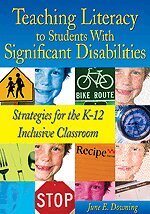
    Teaching Literacy to Students With Significant Disabilities

    Strategies for the K-12 Inclusive Classroom

    AvJune E. Downing,June E. Downing

    Häftad, Engelska, 2005

    592 kr

    Beställningsvara. Skickas inom 3-6 vardagar. Fri frakt över 249 kr.

    Fler format och utgåvor

    Inbunden

    1 209 kr

    Beskrivning

    Break down literacy barriers to enrich the lives of students with significant disabilities! All educators and family members would agree that depriving any student of the enhanced self-esteem, independence, social skills, and general quality of life afforded by literacy would be wrong. However, because of the particular challenges-perceived or otherwise-of providing literacy instruction to children and youth with significant disabilities, these students are often overlooked in receiving meaningful experiences and equal access to this aspect of the core curriculum. Teaching Literacy to Students With Significant Disabilities offers tangible support for obliterating the obstacles to effective literacy instruction, including: Effective strategies for tailoring literacy materials to students with disabilities Tactics for adapting state standards and meeting No Child Left Behind (NCLB) and Individuals with Disabilities Education Act (IDEA) requirements Straightforward chapter summaries, frequently asked questions, Web sites, and other resources that reinforce key points Easy-to-implement planning and assessment guidelines Brimming with practical ideas, tips, and examples, this definitive guide offers K-12 educators the research findings and means for creating an inclusive environment that encourages students with significant disabilities to become actively engaged in literacy learning. It empowers teachers, family members, and all team members with creative, sensitive, and all-embracing ways to successfully set and meet realistic communication-development goals that yield lifelong benefits.

    Produktinformation

    • Utgivningsdatum:2005-05-12
    • Mått:177 x 254 x 11 mm
    • Vikt:420 g
    • Format:Häftad
    • Språk:Engelska
    • Antal sidor:192
    • Förlag:SAGE Publications Inc
    • ISBN:9780761988793

    Utforska kategorier

    • Specialundervisning inom Psykologi och pedagogik

    Mer om författaren

    June E. Downing is Professor Emerita of Special Education at California State University, Northridge, and prior to that was at the University of Arizona in Tucson, where she did research and prepared teachers to work in the area of moderate, severe, and multiple disabilities. She is a national leader in the field of special education that targets the needs of students with severe disabilities, especially with regard to inclusive education. She has published numerous articles, chapters, monographs, and seven books on students having severe and multiple disabilities. She served for six years on the Executive Board of TASH, an international advocacy organization for individuals with severe disabilities, and was a past president of the California Chapter of this organization—CalTASH as well as AZTASH. She has served as an associate editor of Research and Practices for Persons With Severe Disabilities and currently serves on this board as well as several other professional editorial boards. She is presently serving as an educational consultant, traveling extensively in the United States and abroad to do presentations on various subjects.

    Recensioner i media

    “Literacy is power—power to control your own life and influence the world around you. This book makes an important contribution. June Downing has challenged our assumptions about and expectations for students with significant disabilities.”

    Innehållsförteckning

    • Foreword - Douglas FisherAcknowledgmentsIntroductionAbout the Author1. Literacy and a Free Appropriate Public EducationKey ConceptsWhat Is Literacy?Literacy and Federal Mandates in EducationBarriers to Literacy Instruction for Students With Significant DisabilitiesAttitudinal BarrierLow ExpectationsLimited OpportunitiesLimited Means of Accessing LiteracyLimited TimeThe Age FactorLiteracy and Quality of Life IssuesSelf-EsteemSelf-DeterminationIndependenceInformation GatheringOrganizationLearningEntertainmentWhy Teach Reading to Students With Severe Disabilities?2. Literacy and CommunicationKey ConceptsThe Relationship Between Communication and LiteracyBuilding RelationshipsReading TogetherThe Benefits of Play InteractionsEmergent Literacy for Students of All AgesAugmentative and Alternative Communication DevicesBuilding Shared Experiences for Literacy DevelopmentDocumentation of Shared ExperiencesDrawingsPhotograph BooksTactile BooksSummaryFrequently Asked Questions3. Planning Literacy ActivitiesKey ConceptsGeneral ConsiderationsLiteracy Rich EnvironmentsBenefits of Learning in a General Education ClassroomAccess to the Core CurriculumNot Just Physical PresenceIdentifying Literacy GoalsWhat Are the Literacy Goals of the Individual and the Family?Determining Present Literacy SkillsAnalyzing the Environment and the Need for Literacy SkillsIdentifying When Literacy Skills Can be Taught Throughout the DayCreating Literacy-Learning Opportunities for All AgesIntegrated Related ServicesDeveloping Literacy Materials for Individual StudentsAge AppropriatenessIndividual ConsuderationsPhysical ConsiderationsVisual ConsiderationsCultural ConsiderationsInteresting MaterialHigh QualityAssistive TechnologyComputer AccessSummaryFrequently Asked Questions4. Teaching Literacy SkillsKey ConceptsConcerns With Some Past PracticesGeneral Considerations When Teaching Literacy SkillsOffering ChoicesFollowing Interest LevelProviding OpportunitiesMake AccessibleOn the Spot AccommodationsMeaningful Literacy ExperiencesThe Use of a Daily PlannerWithin Task DirectionsSelf-Monitoring ChecklistsLanguage Experience StoriesInteractive and FunClear Literacy Goals in MindDrawing Attention to Conventional LiteracyBalanced Literacy ApproachSpecific Instructional StrategiesDraw Attention to the Stimulus and Shape the ResponseModel the Behaviors of Reading and WritingCheck for ComprehensionWait for a ResponseProvide Corrective Feedback and PraiseFade Instructional SupportTeaching Generalization of SkillsSummaryFrequently Asked Questions5. Evaluating Progress: Next StepsKey ConceptsAlternative AssessmentsInterviewObservationsReview of Past RecordsThe Link to IEP Goals and State StandardsAdapting State Standards on LiteracyDeveloping Appropriate IEP Goals and ObjectivesPassive Versus Active IEP Goals and ObjectivesStandard Linked IEP ObjectivesProcedures for Measuring Student ProgressData CollectionEasy to Use FormsPortfolio AssessmentUsing Data for Instructional PurposedDetermining Next StepsReview Literacy GoalsRaise ExpectationsWhat Are the Logical Next Steps?Summary6. The Future for Literacy Access and InstructionKey ConceptsImproved Strategies to Support Literacy GoalsStrengthening Early Intervention ServicesFuture Advances in TechnologyBridging the Research-to-Practice GapImpact on Personnel PreparationImpact on Quality of LifeResourcesGlossaryReferencesList of TablesList of FiguresIndex