• Fri frakt över 249 kr
  • •
  • Snabba leveranser
  • •
  • Billiga böcker
Kundservice

Du är på sajten för privatpersoner.

Företag, bibliotek eller offentlig verksamhet?

Du handlar på classic.bokus.com, där alla dina funktioner finns intakta.
Till classic.bokus.com
Bokus logotyp. Gå till startsidan.
  • Erbjudanden
  • Nyheter
  • Student
  • Topplistor
  • Barn & ungdom
  • Bokus Play
  • E-böcker
  • Pocketböcker
  • Spel & pussel

Må bättre, för mindre! Upp till 50% rabatt på hälsoböcker

Sidfot

Mina sidor

    Hjälp

    • Kundservice
    • Vanliga frågor och svar
    • Frakt och leverans
    • Retur vid ångerrätt
    • Reklamera vara
    • Betalning
    • Köpvillkor
    • Allmänna villkor
    • Information om webbplatsens tillgänglighet

    Om Bokus

    • Om oss
    • Pressrum
    • För studenter
    • För företag
    • För bibliotek och offentlig verksamhet
    • För leverantörer
    • Hållbarhet

    Populärt

    • Aktuella erbjudanden
    • Presentkort
    • Studentlitteratur
    • Nya böcker
    • Topplistor
    • Signerade böcker
    • Engelska böcker

    Inspiration

    • Boktips
    • BookTok
    • Populära bokserier
    • Barnbokskaraktärer
    • Populära författare
    Logotyp för Bokus
    Följ oss på Facebook (extern länk)Följ oss på Instagram (extern länk)Följ oss på YouTube (extern länk)Följ oss på TikTok (extern länk)
    bokus @ CookiesAnpassa cookiesIntegritetspolicyKöpvillkor
    Till Citymail hemsida (extern länk)Till Budbee hemsida (extern länk)Till Postnord hemsida (extern länk)Till Schenker hemsida (extern länk)Till Early Bird hemsida (extern länk)Till Walleys hemsida (extern länk)
    1. Samhälle och politik
    2. Samhälle och kultur
    3. Sociala grupper och identitet

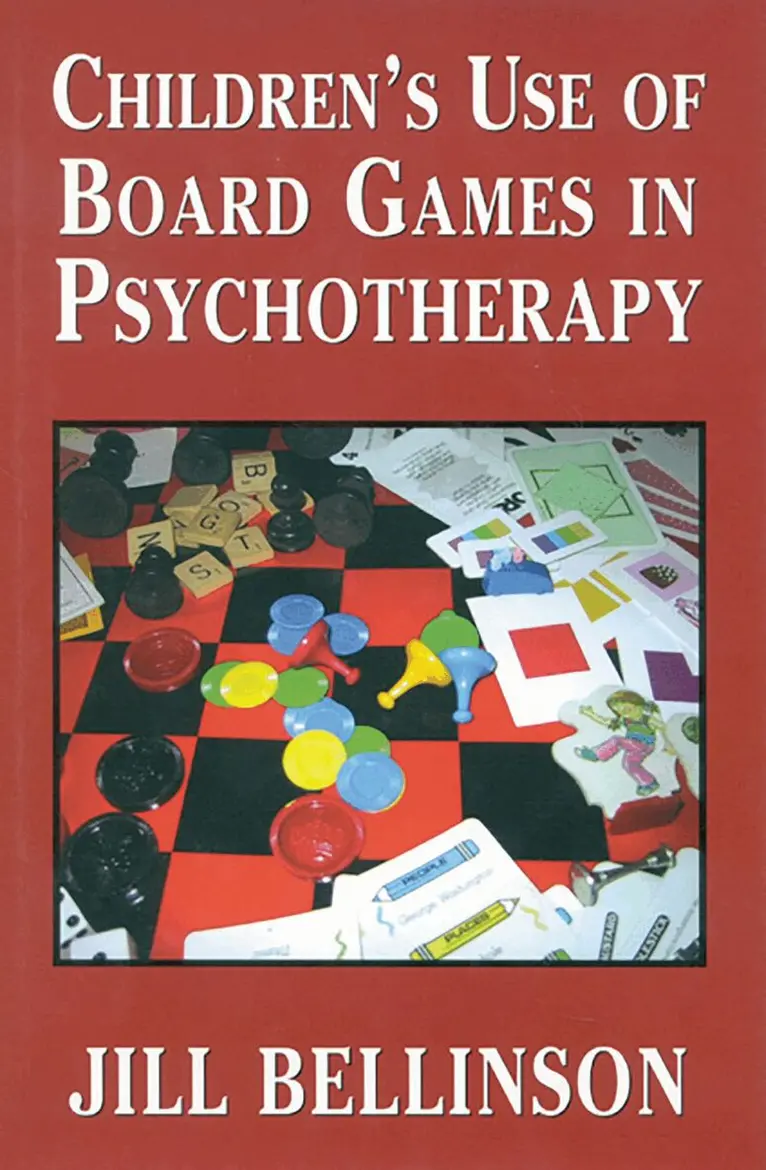
    Children's Use of Board Games in Psychotherapy

    AvJill Bellinson

    Inbunden, Engelska, 2002

    1 150 kr

    Beställningsvara. Skickas inom 10-15 vardagar. Fri frakt över 249 kr.

    Beskrivning

    Play with structure board games is developmentally appropriate for latency-age children but is seldom discussed in the child therapy literature or seen as therapeutically useful. This book describes ways that structured board games can reveal the internal psychodynamic working of the child and can be understood as projective material. Clinical examples of children's play reveal parallels between their dramatic and their board-game play. Both show unconscious content, defensive needs, and interpersonal and transferential relationships. As therapists, we can search for the same underlying dynamics we would look for in these other symbolic expressions."This book also discusses a child's developmental changes and how the dramatic, magical play of childhood is replaced by the structured, rule-oriented play of the middle years. Therapists must sensitively follow hem in this development, rather than force them to continue the more regressed play of childhood or push them prematurely into the verbal world of adolescents and adults. Children's Use Of Board Games in Psychotherapy demonstrates ways to work with the material which children give us at this stage, even when expressed in the form of structured games.

    Produktinformation

    • Utgivningsdatum:2002-07-31
    • Mått:162 x 241 x 19 mm
    • Vikt:445 g
    • Format:Inbunden
    • Språk:Engelska
    • Antal sidor:184
    • Förlag:Jason Aronson Publishers
    • ISBN:9780765703569

    Utforska kategorier

    • Sociala grupper och identitet inom Samhälle och politik
    • Psykoterapi som behandlingsmetod inom Medicin
    • Pediatrik inom Medicin

    Mer om författaren

    Jill Bellinson, Ph.D., is a faculty member and supervisor at the William Alanson White Institute, the Metropolitan Institute for Training in Psychoanalytic Psychotherapy, and the National Institute for the Psychotherapies. She has played board games with children in therapy for more than 20 years, most recently in private practice in New York City.

    Recensioner i media

    Dr. Bellinson has written the most valuable kind of professional book: one that will change the way you do therapy. Her insights into the meanings of children's behavior while playing board games are enlightening. Her clinical examples and her suggestions regarding the therapeutic use of these behaviors are even more insightful. This book is not vague or pretentious. It is straightforward, practical, and likely to lead readers to their own creative use of the only expressive medium that most latency-age children will choose to use in the playroom. This is a significant contribution to a crucial but neglected area of child therapy.