• Fri frakt över 249 kr
  • •
  • Snabba leveranser
  • •
  • Billiga böcker
Kundservice

Du är på sajten för privatpersoner.

Företag, bibliotek eller offentlig verksamhet?

Du handlar på classic.bokus.com, där alla dina funktioner finns intakta.
Till classic.bokus.com
Bokus logotyp. Gå till startsidan.
  • Erbjudanden
  • Nyheter
  • Student
  • Topplistor
  • Barn & ungdom
  • Bokus Play
  • E-böcker
  • Pocketböcker
  • Spel & pussel

10% rabatt på allt med kod: NYSTART10 →

Sidfot

Mina sidor

    Hjälp

    • Kundservice
    • Vanliga frågor och svar
    • Frakt och leverans
    • Retur vid ångerrätt
    • Reklamera vara
    • Betalning
    • Köpvillkor
    • Allmänna villkor
    • Information om webbplatsens tillgänglighet

    Om Bokus

    • Om oss
    • Pressrum
    • För studenter
    • För företag
    • För bibliotek och offentlig verksamhet
    • För leverantörer
    • Hållbarhet

    Populärt

    • Aktuella erbjudanden
    • Presentkort
    • Studentlitteratur
    • Nya böcker
    • Topplistor
    • Signerade böcker
    • Engelska böcker

    Inspiration

    • Boktips
    • BookTok
    • Populära bokserier
    • Barnbokskaraktärer
    • Populära författare
    Logotyp för Bokus
    Följ oss på Facebook (extern länk)Följ oss på Instagram (extern länk)Följ oss på YouTube (extern länk)Följ oss på TikTok (extern länk)
    bokus @ CookiesAnpassa cookiesIntegritetspolicyKöpvillkor
    Till Citymail hemsida (extern länk)Till Budbee hemsida (extern länk)Till Postnord hemsida (extern länk)Till Schenker hemsida (extern länk)Till Early Bird hemsida (extern länk)Till Walleys hemsida (extern länk)
    1. Samhälle och politik
    2. Samhälle och kultur
    3. Kultur och medier
    4. Referensverk och tvärvetenskap

    Graphic Novels and Comics in Libraries and Archives

    Essays on Readers, Research, History and Cataloging

    AvRobert G. Weiner

    Häftad, Engelska, 2010

    543 kr

    Beställningsvara. Skickas inom 5-8 vardagar. Fri frakt över 249 kr.

    Beskrivning

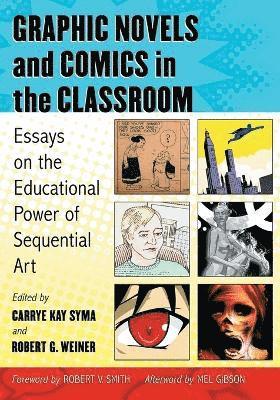
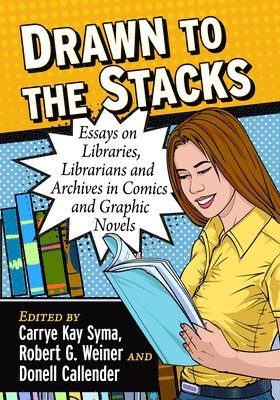
    To say that graphic novels, comics, and other forms of sequential art have become a major part of popular culture and academia would be a vast understatement. Now an established component of library and archive collections across the globe, graphic novels are proving to be one of the last kinds of print publications actually gaining in popularity.Full of practical advice and innovative ideas for librarians, educators, and archivists, this book provides a wide-reaching look at how graphic novels and comics can be used to their full advantage in educational settings. Topics include the historically tenuous relationship between comics and librarians; the aesthetic value of sequential art; the use of graphic novels in library outreach services; collection evaluations for both American and Canadian libraries; cataloging tips and tricks; and the swiftly growing realm of webcomics.

    Produktinformation

    • Utgivningsdatum:2010-04-15
    • Mått:178 x 254 x 15 mm
    • Vikt:503 g
    • Format:Häftad
    • Språk:Engelska
    • Antal sidor:288
    • Förlag:McFarland & Co Inc
    • ISBN:9780786443024

    Utforska kategorier

    • Referensverk och tvärvetenskap inom Samhälle och politik
    • Litteraturvetenskap inom Skönlitteratur

    Mer om författaren

    Robert G. Weiner is the popular culture librarian at Texas Tech University. His work has been published in the Journal of Popular Culture, Public Library Quarterly, Journal of American Culture, International Journal of Comic Art and Popular Music and Society, and is the author/editor/coeditor of numerous books related to popular culture.

    Recensioner i media

    “rich...more data, coverage of academic libraries, and Canadian perspectives are collected here than in previous books on graphic novels in libraries...recommended for all”—Library Journal; “extremely well organized with rich content...excellent...highly recommended”—Reference & User Services Quarterly; “provides some scholarly analysis, making it worth considering as an introductory textbook”—American Libraries.

    Innehållsförteckning

    • Table of ContentsAcknowledgments      Foreword by Elizabeth Figa      Foreword by Derek Parker Royal      Introduction (Robert G. Weiner)      Part One: History1. A Librarian’s Guide to the History of Graphic NovelsALICIA HOLSTON      2. Manga in Japanese Libraries: A Historical OverviewDAVID HOPKINS      3. How Librarians Learned to Love the Graphic NovelAMY KISTE NYBERG      Part Two: School Libraries4. The Development of a School Library Graphic Novel CollectionHEIDI K. HAMMOND      5. Balancing Popular High-Circulation Works with Works of Merit in Elementary School Library CollectionsDIANA P. MALISZEWSKI      Part Three: Public Libraries6. Creative Shelving: Placement in Library CollectionsAMY HARTMAN      7. Graphic Novels at Los Angeles PublicRACHEL KITZMANN      8. Teen-Led RevampERICA SEGRAVES      Part Four: Academic Libraries9. Selection and Popular Culture in Large Academic Libraries: Taking the Temperature of Your Research CommunityCHARLOTTE CUBBAGE      10. Maus Goes to College: Graphic Novels on Reserve at an Academic LibraryANNE-MARIE DAVIS      11. The Library After Dark: The Promotion of Collections and ServicesGWEN EVANS      12. So Many Options, So Little Money: Building a Selective Collection for the Academic LibraryLIORAH ANNE GOLOMB      13. The Spinner Rack in the Big Red and Ivory Tower: Establishing a Comics and Graphic Novels Collection at the UniversityNebraska–LincolnRICHARD GRAHAM      14. Comic Art Collection at the Michigan State University LibrariesRANDALL W. SCOTT      15. Interview with Randall W. ScottNICHOLAS YANES AND ROBERT G. WEINER      Part Five: State Libraries/Archives16. The Perils of Doctor Strange: Preserving Pennsylvania-Centered Comics at the State Library of PennsylvaniaWILLIAM T. FEE      Part Six: Audiences17. Graphic Novels and the Untapped AudienceRUTH BOYER      18. Comic Relief in Libraries: Motivating Male Adolescent ReadersKAREN GAVIGAN      19. “Forty-one-year-old female academics aren’t supposed to like comics!” The Value of Comic Books to Adult ReadersSARAH ZIOLKOWSKA AND VIVIAN HOWARD      20. Graphics Let Teens OWN the LibraryCHRISTIAN ZABRISKIE      Part Seven: Nomenclature and Aesthetics21. The Only Thing Graphic Is Your Mind: Reconstructing the Reference Librarian’s View of the GenreAMANDA STEGALL-ARMOUR      22. What’s in a Name: Nomenclature and LibrariesFRANCISCA GOLDSMITH      23. The Ontology of Art and What Libraries ShouldRUTH TALLMAN AND JASON SOUTHWORTH      Part Eight: Meta-Comics/Webcomics24. Meta-Comics and Libraries: Should Libraries Buy Them?ADAM J. NOBLE      25. Webcomics and LibrariesAMY THORNE      Part Nine: Cataloging26. Cataloging and Problems with Dewey: Creativity, Collaboration and CompromiseLAUREL TARULLI      27. An Example of an In-House Cataloging SystemROBERT G. WEINER      Part Ten: Evaluation of Collections28. Drawing Comics into Canadian LibrariesRACHEL COLLINS      29. Graphic Novel Holdings in Academic LibrariesERIC WERTHMANN      Afterword by Stephen Weiner      About the Contributors      Index