• Fri frakt över 249 kr
  • •
  • Snabba leveranser
  • •
  • Billiga böcker
Kundservice

Du är på sajten för privatpersoner.

Företag, bibliotek eller offentlig verksamhet?

Du handlar på classic.bokus.com, där alla dina funktioner finns intakta.
Till classic.bokus.com
Bokus logotyp. Gå till startsidan.
  • Erbjudanden
  • Nyheter
  • Student
  • Topplistor
  • Barn & ungdom
  • Bokus Play
  • E-böcker
  • Pocketböcker
  • Spel & pussel

10% rabatt på allt med kod NYSTART10 →

Sidfot

Mina sidor

    Hjälp

    • Kundservice
    • Vanliga frågor och svar
    • Frakt och leverans
    • Retur vid ångerrätt
    • Reklamera vara
    • Betalning
    • Köpvillkor
    • Allmänna villkor
    • Information om webbplatsens tillgänglighet

    Om Bokus

    • Om oss
    • Pressrum
    • För studenter
    • För företag
    • För bibliotek och offentlig verksamhet
    • För leverantörer
    • Hållbarhet

    Populärt

    • Aktuella erbjudanden
    • Presentkort
    • Studentlitteratur
    • Nya böcker
    • Topplistor
    • Signerade böcker
    • Engelska böcker

    Inspiration

    • Boktips
    • BookTok
    • Populära bokserier
    • Barnbokskaraktärer
    • Populära författare
    Logotyp för Bokus
    Följ oss på Facebook (extern länk)Följ oss på Instagram (extern länk)Följ oss på YouTube (extern länk)Följ oss på TikTok (extern länk)
    bokus @ CookiesAnpassa cookiesIntegritetspolicyKöpvillkor
    Till Citymail hemsida (extern länk)Till Budbee hemsida (extern länk)Till Postnord hemsida (extern länk)Till Schenker hemsida (extern länk)Till Early Bird hemsida (extern länk)Till Walleys hemsida (extern länk)
    1. Naturvetenskap och teknik
    2. Teknik och industri
    3. Tillverkningsteknik

    Introductory Food Chemistry

    AvJohn Brady

    Inbunden, Engelska, 2013

    1 157 kr

    Beställningsvara. Skickas inom 5-8 vardagar. Fri frakt över 249 kr.

    Beskrivning

    Food chemistry is the study of the underlying properties of foods and food ingredients. It seeks to understand how chemical systems behave in order to better control them to improve the nutritional value, safety, and culinary presentation of food. John W. Brady's comprehensive full-color textbook provides a key resource for students of the field. Designed for undergraduate and beginning graduate level courses, Introductory Food Chemistry explores traditional topics that students need to understand if they are to pursue careers in food in either academia or industry as well as many new and current topics not covered in other textbooks. These topics include mad cow disease, foods contaminated with melamine, acrylamide in baked foods, wine chemistry, allergens, genetically modified foods, as well as current understanding of dietary cholesterol, high fructose corn syrups, and artificial sweeteners. Authored by one of the leading scholars in the field, Introductory Food Chemistry deploys the most current understanding of the relationship between molecular structure and function for food proteins, carbohydrates, and lipids. The book also makes critical use of color figures that illustrate food transformations visually in three dimensions rather than relying on dry equations alone.

    Produktinformation

    • Utgivningsdatum:2013-07-15
    • Mått:203 x 254 x undefined mm
    • Vikt:3 175 g
    • Format:Inbunden
    • Språk:Engelska
    • Antal sidor:656
    • Förlag:Cornell University Press
    • ISBN:9780801450754

    Utforska kategorier

    • Tillverkningsteknik inom Naturvetenskap och teknik

    Mer om författaren

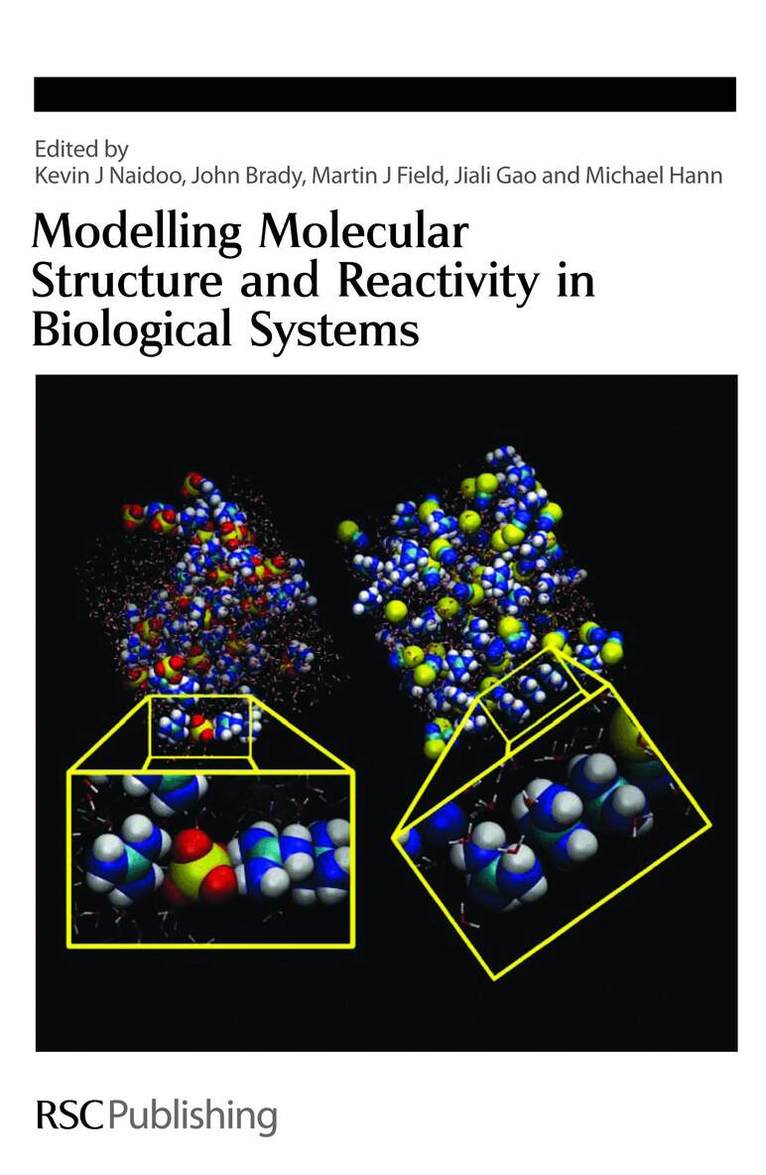
    John W. Brady is Professor in the Department of Food Science at Cornell University, where he has taught introductory food chemistry courses for over twenty years. He is coeditor of Computer Modeling of Carbohydrate Molecules and Modelling Molecular Structure and Reactivity in Biological Systems. He has also served on the editorial boards of Food Biophysics, Chemical Design Automation News, and Biopolymers.

    Recensioner i media

    "Introductory Food Chemistry is the first undergraduate text that effectively integrates physical, chemical, and structural biology principles into the teaching of food chemistry. John W. Brady treats foods as physical systems composed of molecules that undergo complex chemical reactions. The publication of this book should instigate a minor revolution in how food chemistry is taught in the United States."

    Innehållsförteckning

    • Preface1. Food Chemistry: An IntroductionWhat Is Food Chemistry?Basic ReviewAtoms and MoleculesCarbonHydrogenOxygenNitrogenPhosphorousHalogensTransition MetalsReview of ThermodynamicsThe First Law of ThermodynamicsEntropy and the Second Law of ThermodynamicsSuggested Reading2. Water in FoodsPhysical Properties of WaterMolecular Structure and Hydrogen BondingHydrogen BondsTypes of Hydrogen Bonds in Biological and Food MoleculesHydrogen Bonds in Water: Ice and Liquid WaterAqueous SolutionsSolutions with Multiple Solutes: The Hofmeister SeriesSolutions of Gases in Liquids: Carbonated BeveragesWater Activity and MobilityFood GlassesFreezing and Freeze-DryingIce Nucleation and GrowthSuggested Reading3. Dispersed Systems: Food ColloidsColloids and Types of DispersionsGelsEmulsionsThe Importance of Surface AreaThe Thermodynamics of SurfacesThe "Mentos Eruption"Curved Surfaces, the Kelvin Equation, and Ostwald RipeningAntifreeze Proteins and Ice Nucleating ProteinsAdsorption at Liquid SurfacesAdsorption at Solid SurfacesHysteresis in Moisture Sorption IsothermsProducing EmulsionsHLB NumbersEmulsion StabilitySolvation ForcesDLVO TheorySteric StabilizationEffects of Dissolved Polymers on Emulsion StabilitySedimentation and CreamingFoamsSuggested Reading4. CarbohydratesCarbohydrates in FoodsCarbohydrate StructuresThe D-AldosesThe D-KetosesSystematic NomenclatureCarbohydrate RingsThe Relationship between D- and L-SugarsTautomerizationSugar DerivativesReactions of CarbohydratesAcid-Catalyzed ReactionsReactions under Basic ConditionsNon-Oxidative BrowningFunctional PropertiesSweetnessWater Binding and SolubilityPolysaccharidesHomopolymersHeteropolymersSuggested Reading5. ProteinsProteins in FoodsPolypeptide ChainsAmino AcidsAmino Acid Configurations and Taste; MSGAspartameTryptophan and SerotoninProtein ConformationsProtein FoldingRamachandran MapsSecondary StructuresProlinesFolding of Globular ProteinsThe Chain Configurational Entropy Contribution to the Free Energy of FoldingTertiary Structure of Globular ProteinsMilk ProteinsWhey ProteinsCaseins: Random Coil-Like ChainsSweet-Tasting ProteinsBotulinum ToxinLegume ProteinsSoy ProteinsPeanut AllergiesZein ProteinsEgg White Proteins: AlbumenEgg Yolk Proteins: LipoproteinsMeat ProteinsMad Cow DiseaseReactions of ProteinsAcid HydrolysisRacemization and Cross LinkingReactions with NitritesMethionine OxidationThe Kjeldahl MethodMaillard ReactionsReactions with AldehydesIonizing RadiationAcylationHomocysteineAspartame DegradationHeterocyclic Amine FormationGMO Foods: "Frankenfoods"Suggested Reading6. Enzymes in FoodsEnzymes in FoodsEnzyme KineticsEnzyme Thermodynamics: The Production of High-Fructose Corn SyrupsProteasesEndopeptidasesExopeptidasesGlycosidases and Other Enzymes with Carbohydrate SubstratesAmylasesPectic EnzymesLactasesLipasesFoaming in BeerEnzymatic Browning: Polyphenol OxidasesSuggested Reading7. LipidsFats in FoodsFatty AcidsOmega-3 Fatty AcidsConjugated Linoleic Acid (CLA)Glycerol and Triacylglycerols (Triglycerides)Diglycerides and MonoglyceridesStereospecific NumberingPhospholipidsWaxesCholesterol and PhytosterolsReduced-Calorie Synthetic Fat SubstitutesSynthetic Fat ReplacersFat CompositionsAnimal FatsDairy FatsOils from PlantsReactions of LipidsFractionationInteresterificationSaponificationHydrogenation of Vegetable OilsBromination and Brominated Vegetable Oil (BVO)Lipid OxidationFryingSmoke PointsFat CrystallizationCrystal PhasesChocolateThree-Component Phase DiagramsSuggested Reading8. FlavorsTaste and Odor PerceptionSweetenersNutritive SweetenersNonnutritive SweetenersNonsweet (Savory) Flavors and OdorsVolatile Sulfides and Mercaptans: Onions and GarlicAldehydes, Esters, and KetonesEssential OilsPhenolics and PolyphenolicsEthylene, Carrots, and IsocoumarinPyrazines and Methoxypyrazines"Foxy" Grape AromasHot (Spicy) TastesBitter FlavorsProtein Decomposition ProductsSuggested Reading9. Food ColorsThe Importance of Food ColorsVisible Light and ColorNatural Colors in FoodsTetrapyrrole PigmentsHeme Compounds and MeatChlorophyllCarotenoidsProvitamin A Activity of CarotenoidsFlavonoidsAnthocyaninsPolyphenolic Flavonoid AntioxidantsFlavanolsFlavanones, Flavones, Flavonols, and IsoflavonolsResveratrolTanninsPolyphenolic Chemistry in WinesBetalainsCochinealColorantsTitanium DioxideSynthetic ColorsSuggested Reading10. Food AdditivesFood Additives and the LawAcidsChelating AgentsAntioxidantsAntimicrobial AgentsEpoxidesAntibioticsAnticaking AgentsChemical Leavening AgentsConfectioner's GlazePolydextroseSuggested Reading11. Food ToxicologyToxicity and DoseChinese Restaurant SyndromeToxins in FoodsIndustrial PollutantsNaturally Occurring ToxinsMycotoxinsSuggested Reading12. VitaminsWhat Are Vitamins?Fat-Soluble VitaminsVitamin AVitamin DVitamin EVitamin KWater-Soluble VitaminsB VitaminsVitamin CSuggested ReadingBibliographyIndex